Torobo
AI ChatLast updated:
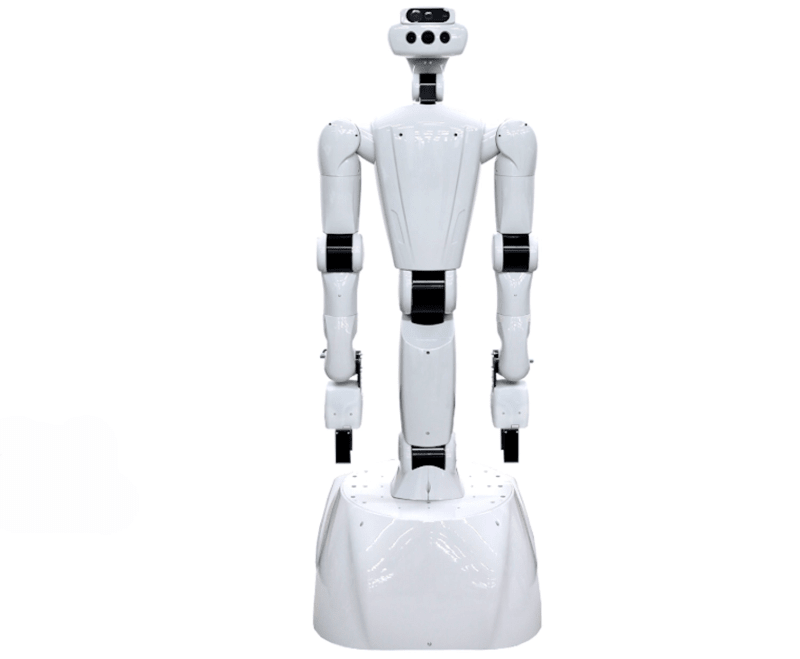
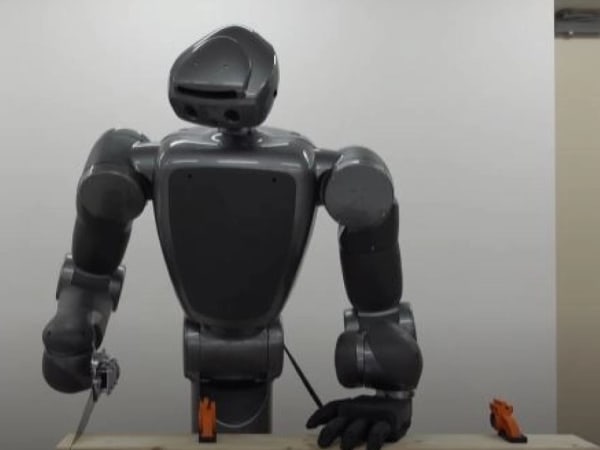
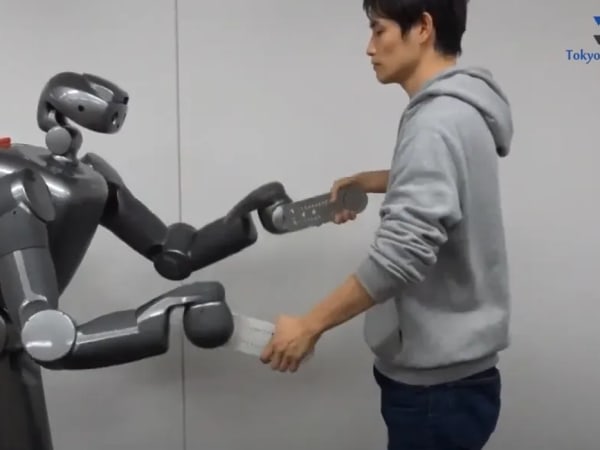
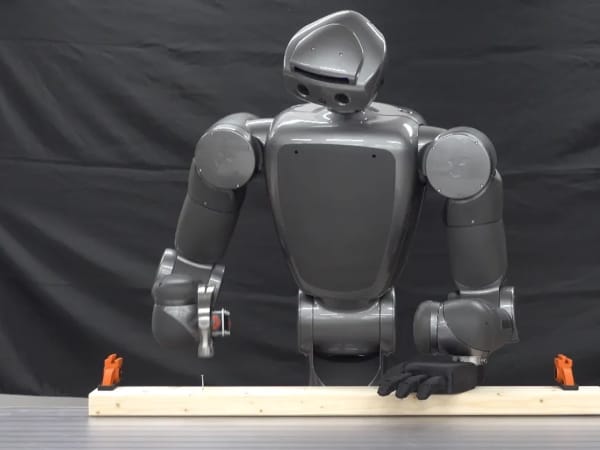
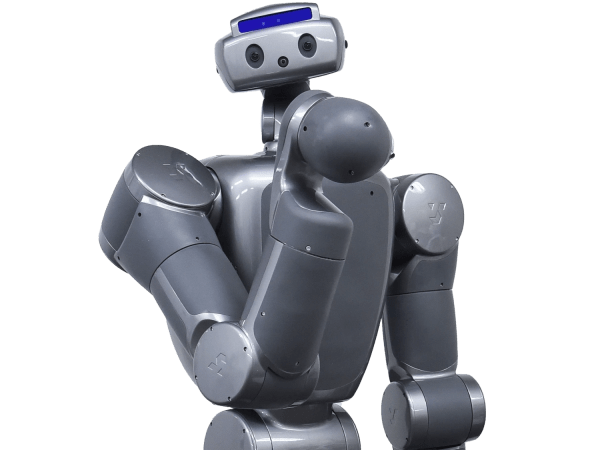
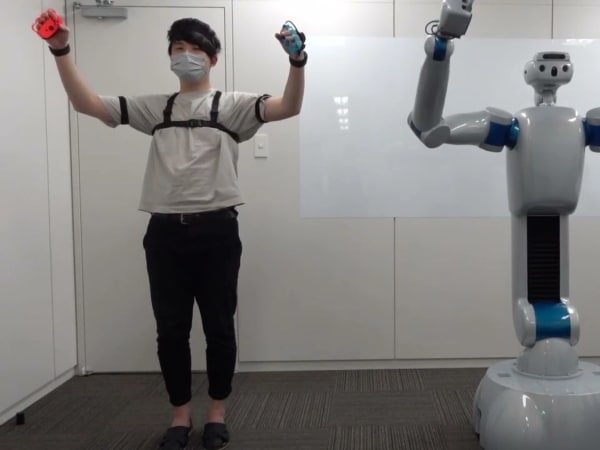
Torobo is a torque-controlled upper-body humanoid robot designed for advanced AI and robotics manipulation research, mounted on a 4-axis omnidirectional wheeled mobile base. Standing 166 cm tall and weighing 160 kg (standard configuration with base, battery, and compute; earlier prototypes weighed approx. 120 kg), it is equipped with dual 7-axis arms, a 3-axis waist, and a 3-axis neck, providing 24 active degrees of freedom. High-precision torque sensors in all arm and waist joints enable compliant impedance control, force limiting, and sensitive collision detection for safe human collaboration and delicate contact tasks like hammering, sawing, and wiping. Torobo executes ROS-based trajectory planning and MuJoCo simulation, integrating modular depth sensors and omnidirectional wheeled navigation for structured research, industrial automation, and assistive healthcare environments.
Quick Overview & Key Facts
Torobo is a humanoid robot made by Tokyo Robotics in Japan, launched in 2024 and built for precision manipulation, force-control tasks, and hammering. Its estimated price is USD 500,000 - 1,000,000. Featured in “Tokyo Robotics Torobo Demonstrates Precision Tasks at Tokyo Security Show March 2026”.
- Dimensions
- 161.5 x 59 x 68 (cm)
- Mobility
- Wheeled / Omnidirectional Navigation
- Top speed
- 5 km/h
- Handles
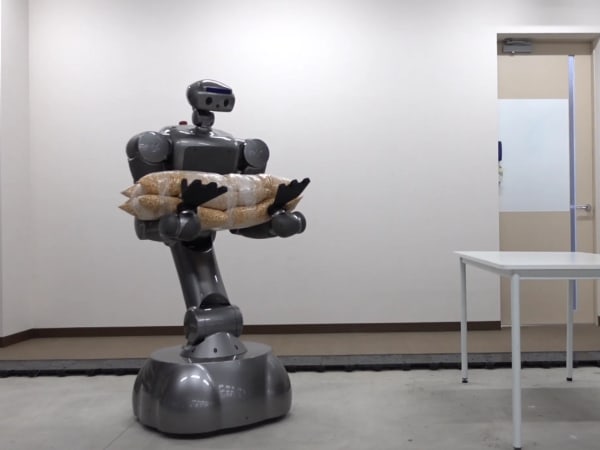
- Tools, packages, precision instruments, people interaction
- Battery runtime
- 3 hours on full charge
- Charging time
- 4 hours
- Operating environment
- Indoor, both
What Can Torobo Do?
Core operational tasks and activities demonstrated or performed by Torobo.
Real-World Applications of Torobo
Industries, working environments, and deployment suitability for Torobo.
Torobo Capabilities
Inherent physical, perceptual, and cognitive abilities built into Torobo.
Download Media Cards
Story CardExport high-resolution story cards summarizing Torobo's operational tasks, real-world applications, and capabilities.
Image Gallery
Below images are from Tokyo Robotics's official sources
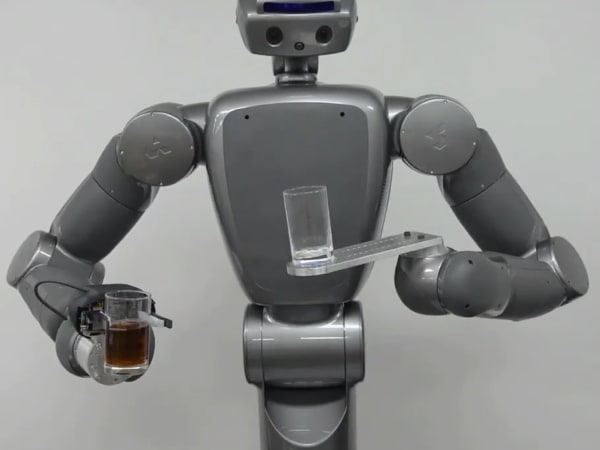
Review Videos
Watch expert reviews and demonstrations of this robot


Robot Specifications
ConfirmedValues marked Confirmed were checked against the manufacturer's official data; select the badge to open the source. Values without a Confirmed badge are compiled from public sources and may not be manufacturer-verified.
Not yet published by Tokyo Robotics: warranty terms, safety certifications, EMC compliance, IP rating, noise level, expected lifespan, maintenance schedule, firmware version and 5 more.
Robot Timeline
Key milestones in this robot's development and rollout
Tokyo Robotics releases a demonstration of a bipedal humanoid prototype with human-like walking, dynamic push recovery and whole-body teleoperation.
Source: Humanoids Daily ↗
Latest News About Torobo
Stay updated with the latest articles and developments

More Humanoid Robots
Discover more robots in the same category

Robots From Other Categories
Discover complementary robots from different categories that work well together
Frequently Asked Questions
Get answers to common questions about this robot
Q1. What is Torobo, and what problem is it designed to solve?
Torobo is an upper-body humanoid research robot mounted on an omnidirectional mobile base, developed by Tokyo Robotics. Standing 166 cm tall and weighing 160 kg in its standard configuration (including mobile base, battery pack, and compute unit; earlier prototype revisions weighed approx. 120 kg), it addresses the need for collaborative manipulation systems capable of performing complex tasks in human-centered environments, particularly relevant to Japan's aging population and labor shortages. The platform is designed for precision assembly, material handling, and physical interaction tasks requiring safe force control.
Q2. What are the main capabilities and key features of Torobo?
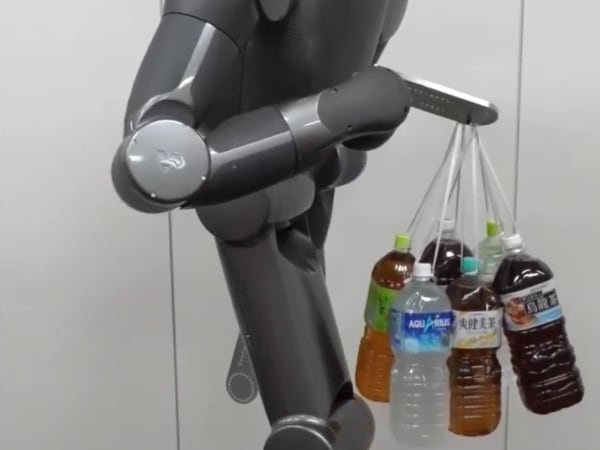
Torobo features dual 7-axis arms with payload capacity of 7–8 kg under worst-case postures and up to 20 kg at maximum force, a 3-axis waist, 3-axis neck, and 4-axis omnidirectional mobile base providing 24 degrees of freedom. Torque sensors at all arm and waist joints enable impedance control for safe contact. The robot supports ROS-based software with MoveIt! trajectory planning, Cartesian impedance control, and self-interference detection. Demonstrated capabilities include autonomous table wiping, nail hammering, and wood sawing using Deep Predictive Learning.
Q3. Who is Torobo built for, and which industries can benefit from it?
Torobo targets research institutions, industrial automation facilities, and collaborative manufacturing environments. Primary applications include precision assembly, cooking operations, material handling, and human-robot interaction research. The platform serves academic researchers and industrial partners exploring robotic solutions for tasks traditionally performed by human workers in structured environments.
Q4. Is Torobo a commercial product or still a research prototype?
As of March 2026, Torobo remains classified as a prototype platform. According to Tokyo Robotics, the company announced plans to launch a new version in Japan by March 2025, with international release targeted for later in 2025. The robot is positioned primarily for research and early commercial deployments rather than mass-market availability.
Q5. Is Torobo currently available for purchase, and when is it expected to ship?
Torobo's commercial availability status remains limited as of early 2026. Tokyo Robotics announced plans for domestic Japanese availability in 2025 with subsequent international expansion. Specific shipping timelines and pricing depend on distributor partnerships and regional deployment schedules, which the manufacturer has not publicly detailed.
Q6. How does Torobo actually work in real-world environments?
Torobo operates through a ROS-based software stack supporting simulation in Gazebo and MuJoCo before real-world deployment. The robot uses torque feedback from joint sensors to execute force-controlled tasks, with ZMP-based fall prevention and interference detection safety stops. Optional sensor heads include ToF depth cameras, fisheye cameras, wide-angle stereo cameras, and microphones for environmental perception and task execution in structured industrial or research settings.
Q7. When was Torobo announced or officially launched?
Torobo was unveiled as a research platform by Tokyo Robotics, with detailed specifications and capabilities documented in 2024. The robot is part of Japan's Moonshot R&D program, which focuses on developing robotic systems to address demographic challenges. Commercial availability timelines were announced for 2025 onward, though specific launch dates have not been publicly confirmed.
Q8. How is Torobo different from other robots in the same category?
Torobo's distinguishing feature is comprehensive torque sensing across all arm and waist joints, enabling high-performance impedance and force control rarely implemented in humanoid platforms. This architecture supports safe physical interaction with humans and objects. The robot's human-proportional dimensions (166 cm height, 680 mm reach) combined with 24 degrees of freedom allow operation in human-designed workspaces. Integration with advanced simulation environments and ROS compatibility differentiates it for research applications.
Q9. Does Torobo require additional development or customization after purchase?
Torobo is designed as a research and development platform, implying that end-users typically engage in software customization and task-specific programming. The ROS-based architecture and support for MoveIt! trajectory planning enable researchers to develop application-specific behaviors. Optional modular sensor heads allow configuration for different perception requirements. The extent of required customization depends on intended application and user expertise.
Q10. What is the future roadmap or planned upgrades for Torobo?
Tokyo Robotics has positioned Torobo within Japan's Moonshot R&D program targeting lifetime robotic assistance for aging populations. The company announced plans for expanded availability from initial Japanese deployments toward international markets. Specific technical upgrades or feature enhancements have not been publicly detailed, though the modular sensor architecture suggests potential for capability expansion through optional components and software improvements.
Rating and Reviews
Share your experience and help others decide!
Loading...
User Reviews
No user reviews. Be the first one to review!
User Comments (No Login needed)
Share your thoughts, experiences, or questions about this robot.
Comments appear after moderator review.