Booster K1 Sells Out at CES 2026, Dominates Robotics Competition
Robot Details
K1 Humanoid • Booster RoboticsPublished
January 23, 2026
Reading Time
3 min read
Author
Origin Of Bots Editorial Team
CES Sellout Stuns Crowds
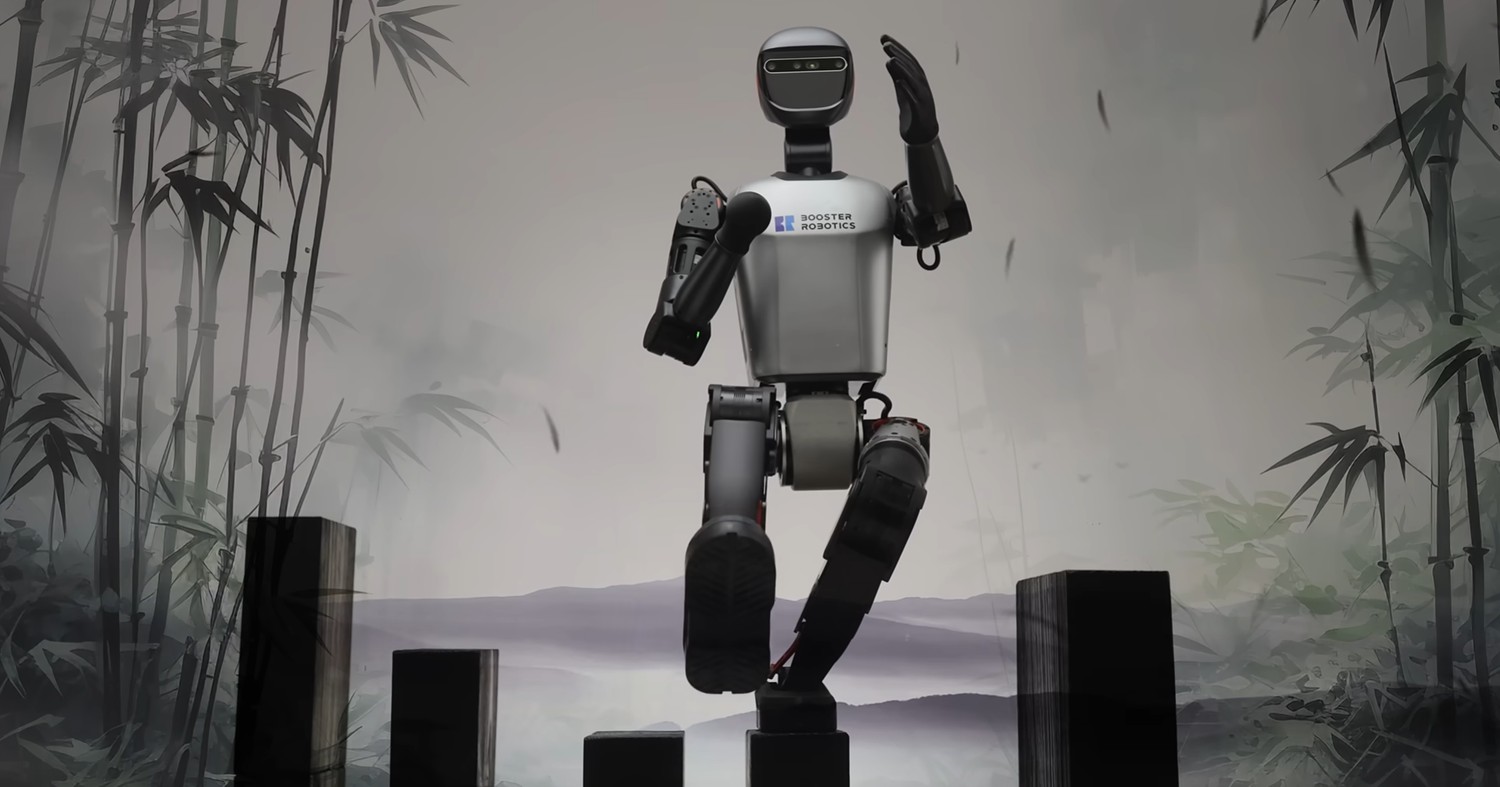
Booster Robotics ignited the robotics world at CES 2026 by announcing the complete sellout of its K1 Humanoid units within hours of unveiling. Crowds packed the booth as developers and educators snapped up the compact bots, drawn by their RoboCup-proven agility and affordable entry into embodied AI. This frenzy underscores a pivotal shift: humanoid tech is no longer lab-bound but racing toward classrooms and competitions, with Booster claiming dominance after K1's recent victories in dynamic motion challenges. The event highlighted how Booster's Beijing-based innovation is reshaping accessible robotics for global creators.
Agility Redefines Interaction
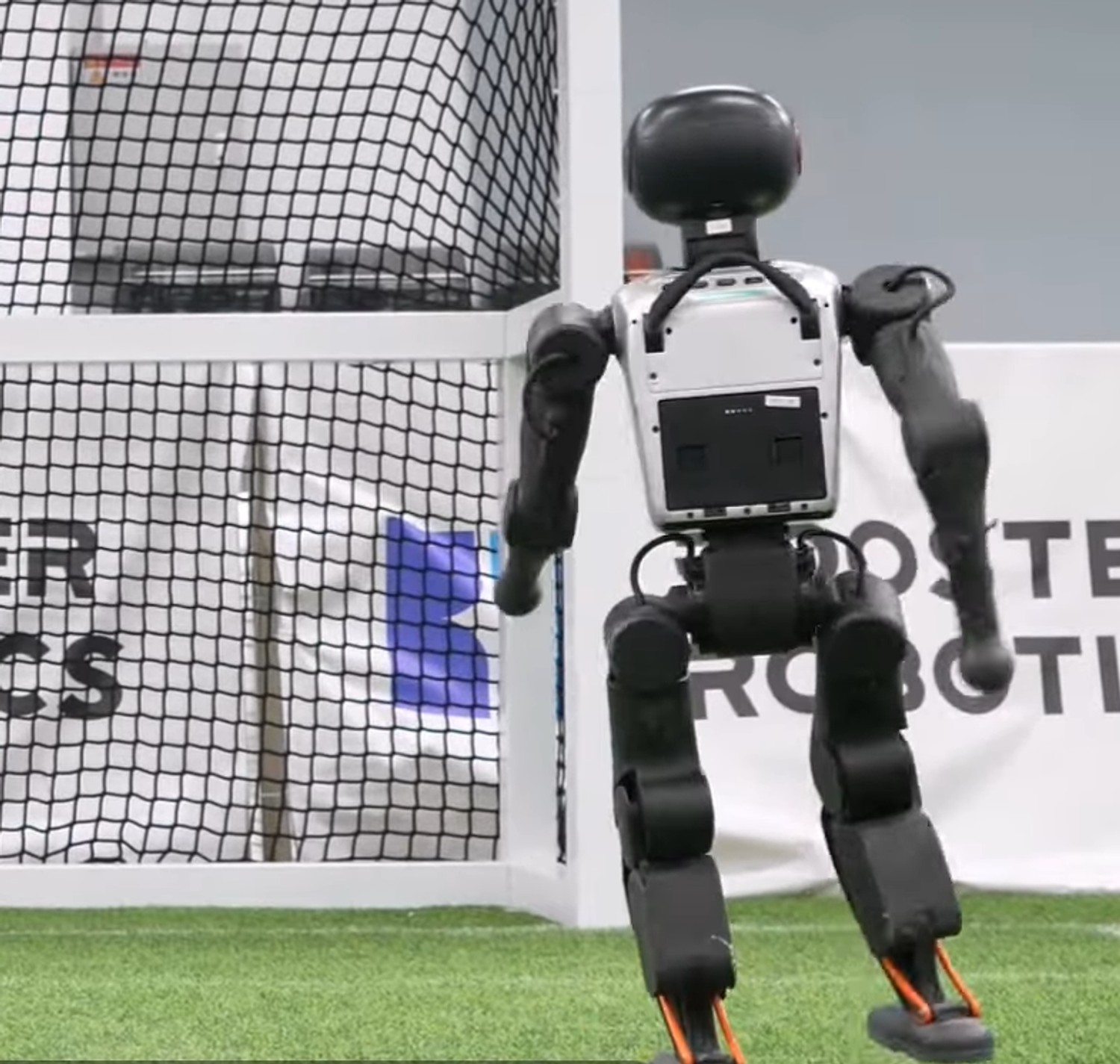
K1 captivates with fluid, human-like dances and child-friendly play routines that blend entertainment and learning. Its 22 degrees of freedom across hips, knees, arms, and head enable precise balancing on uneven surfaces and seamless object handling, turning passive demos into active engagements. Developers praise the bot's reinforcement learning for adapting to new tasks on the fly, like mimicking dance moves or responding to voice cues, fostering intuitive human-robot bonds that feel natural rather than mechanical.
AI Power Unleashed
Engineers at Booster integrated NVIDIA Jetson Orin NX computing, delivering up to 200 TOPS for real-time object detection and path planning, a leap for compact humanoids. Dual-encoder joints with 60 N.m torque ensure stable torque-velocity-position control, while WiFi 6 and ROS2 compatibility empower remote tweaks during live events. This hardware-software synergy allows K1 to execute complex sequences autonomously, positioning it as a developer favorite for pushing embodied intelligence boundaries without bulky setups.
Classrooms Gain New Ally
Educators envision K1 transforming STEM curricula through hands-on robotics competitions and interactive exhibits, where students program it for voice-guided tours or team-based challenges. In research labs, it accelerates AI experiments in social navigation and manipulation, while exhibitions draw crowds with live performances. Its suitcase portability means instant deployment for events, democratizing advanced humanoid skills for universities and competitions like RoboCup, where K1 already excels in agile showdowns.
Skills Fuel Human Connections
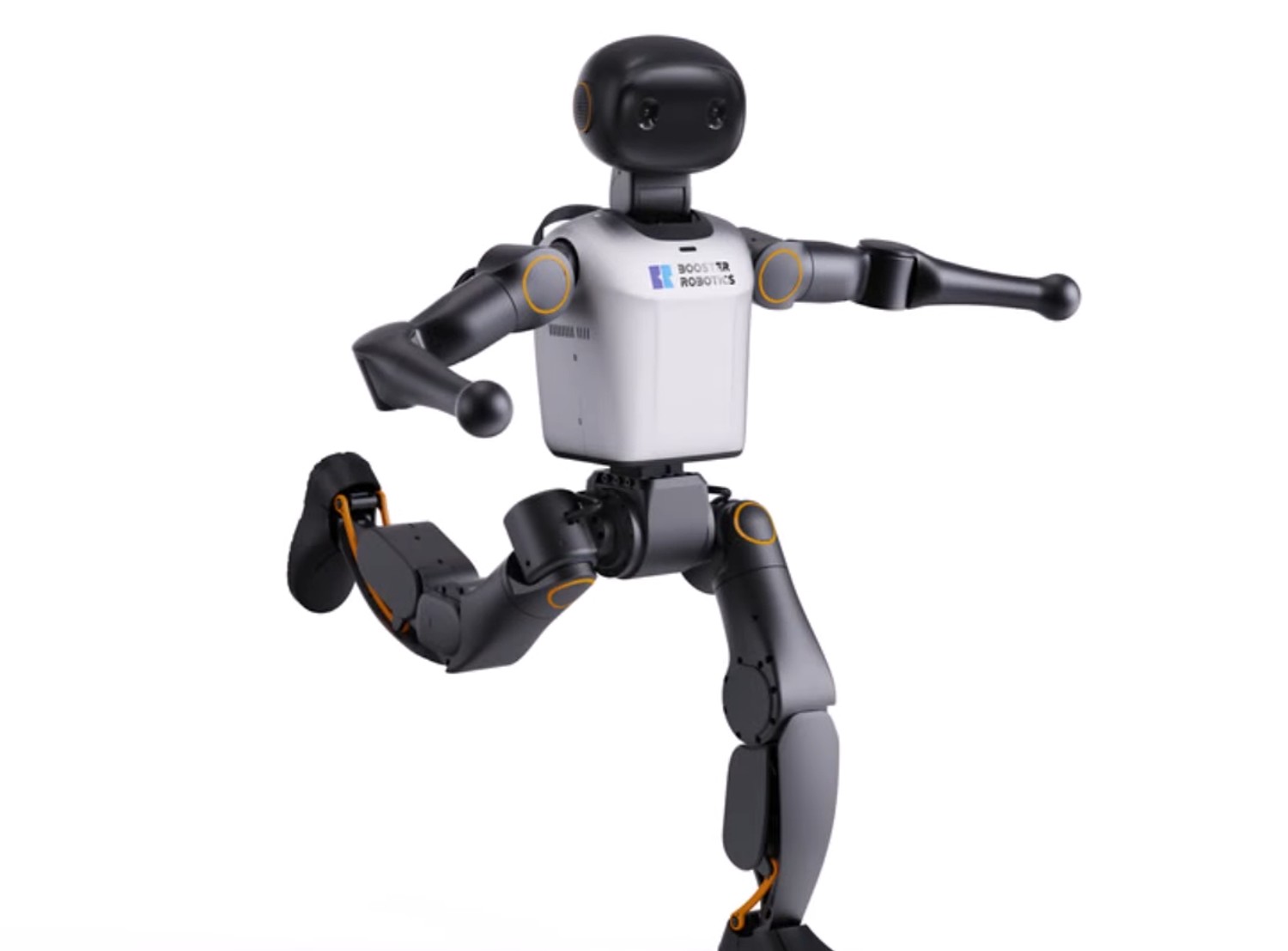
K1's 3D depth camera and 9-axis IMU enable dexterous obstacle dodging and balanced strides, letting it navigate crowded spaces while maintaining eye contact during interactions. Microphone array and touch sensors support responsive conversations and gentle handling of educational tools, powering extended teaching sessions. Running on ROS, Python, and Linux with legged mobility, its 95x40x18 cm frame and 19.5 kg weight facilitate natural gestures in research or competitions, prioritizing human-centric outcomes like collaborative learning over raw power.
Outpaces Rival Humanoids
Against T1 Humanoid's bulkier frame, K1 shines in portability and price, though T1 edges in payload capacity. Annie lags in DoF at under 20, making K1's 22 superior for nuanced competitions, but Annie offers longer battery life. CyberOne boasts heavier industrial torque yet lacks K1's developer-friendly ROS2 ecosystem. GR-2 matches height but trails in AI TOPS, where K1's 200 crushes for vision tasks. Overall, K1 leads in agile education niches, trading endurance for unmatched accessibility and competition wins.
Explore Humanoids
Related Articles
Galbot G1 Transforms Industrial Logistics with Dual-Arm Dexterity and Extended Reach
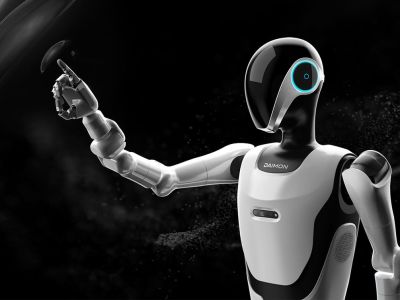
Daimon Robotics Debuts World's First Haptic Feedback System at CES 2026

Cartwheel Robotics Accelerates Yogi Debut with Reno Expansion
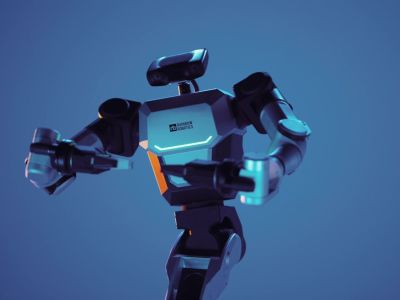
RB-Y1 Masters 360° Mecanum Wheels, SDK at ICRA 2025
Related Comparisons
Compare K1 Humanoid with similar robots

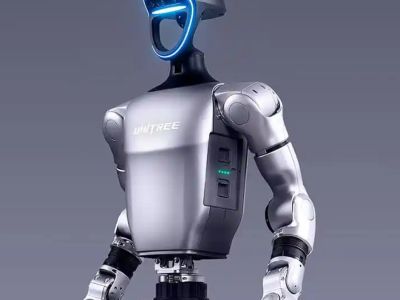
Optimus vs Unitree G1
Compare Optimus vs Unitree G1 for humanoid mobility, dexterity, autonomy, and payload capacity.
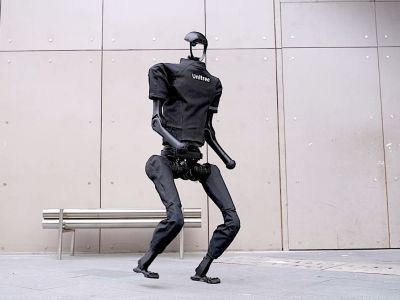
Unitree G1 vs Unitree H1
Head-to-head: Unitree G1 vs Unitree H1 compared on bipedal balance, AI learning, and real-world deployment.
Optimus vs Atlas (Electric 2025)
In-depth comparison of Optimus and Atlas (Electric Atlas, 2025), covering hardware capabilities, teleoperation, and enterprise readiness.

Ameca vs Moya
Which humanoid robot is better? Ameca vs Moya compared for dexterity, AI capabilities, and price.
Learn More About This Robot
Discover detailed specifications, reviews, and comparisons for K1 Humanoid.
View Robot Details →