Chery's Mornine Redefines Retail Robotics with Real-World Dexterity and Global Expansion
Robot Details
Mornine • AiMOGA RoboticsPublished
January 23, 2026
Reading Time
3 min read
Author
Origin Of Bots Editorial Team
From Showroom to World Stage
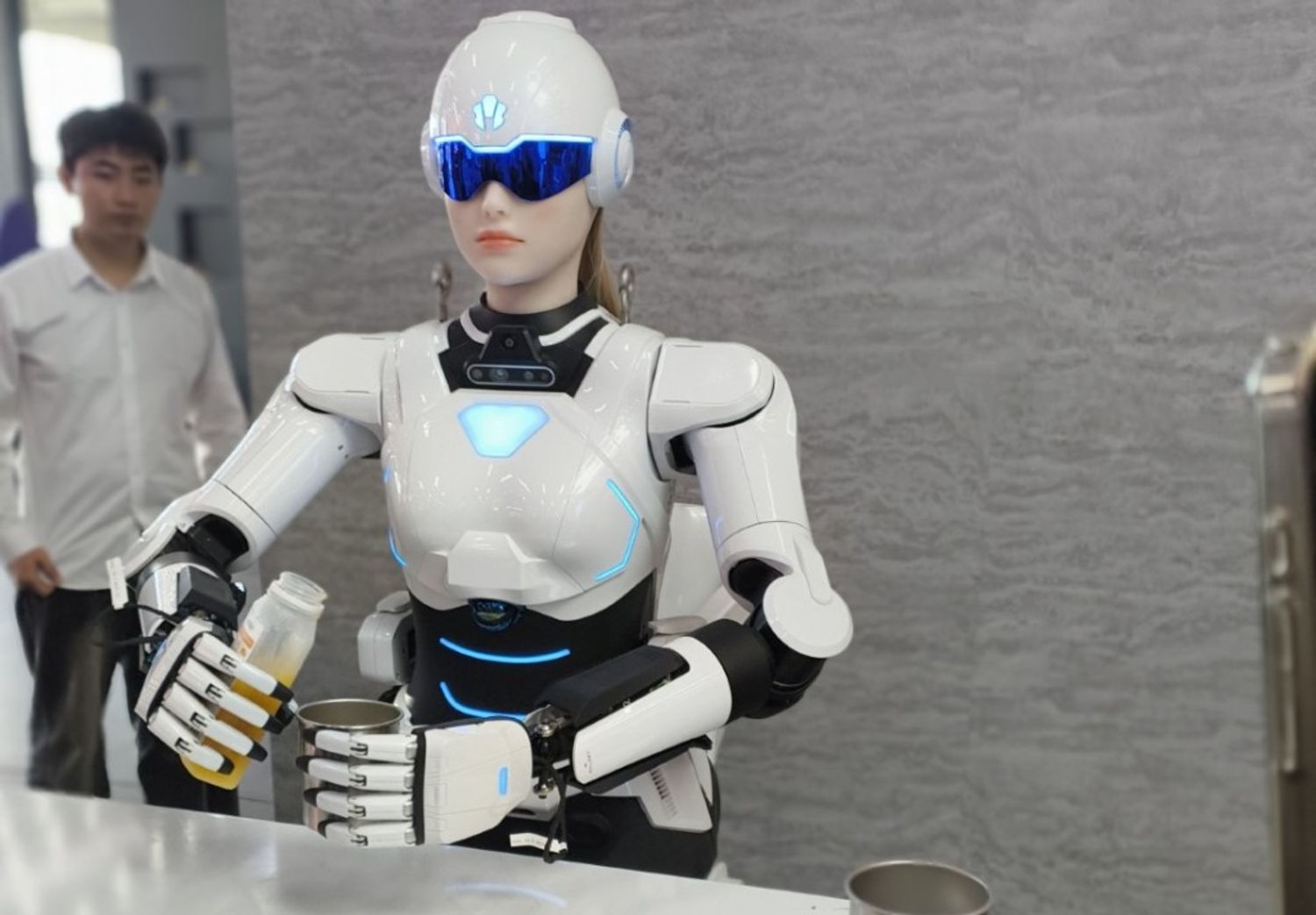
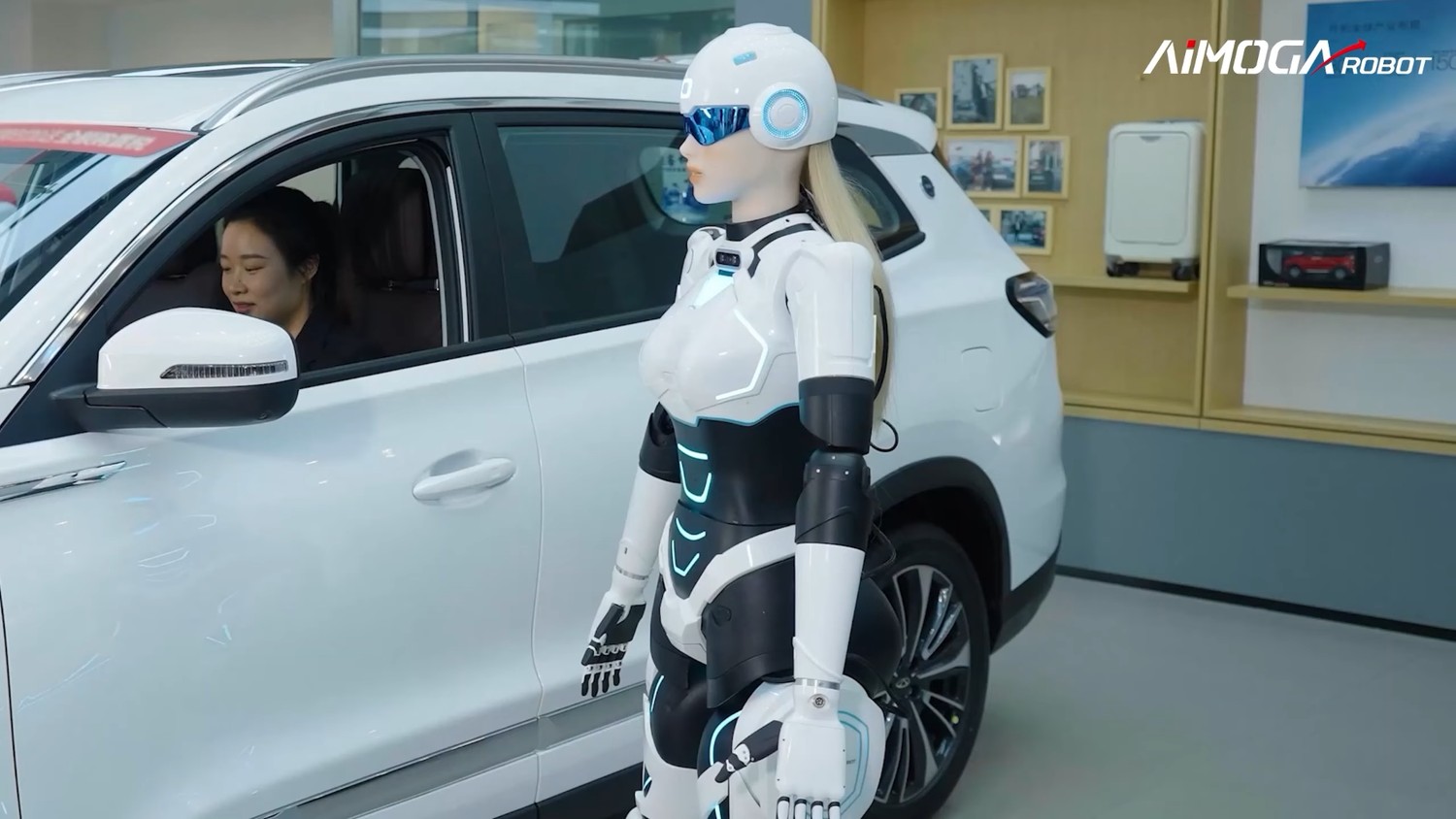
Chery's humanoid robot Mornine has transitioned from controlled dealership environments to real-world deployment across multiple sectors, marking a pivotal shift in how enterprises leverage autonomous assistants. The robot recently demonstrated autonomous door-opening capabilities at a Chery dealership in China, a feat that required independent sensor interpretation and adaptive force control rather than pre-programmed routines. With 220 units already scheduled for global distribution this year and active deployments in Malaysia and beyond, Mornine represents a fundamental evolution in service robotics, moving beyond scripted interactions toward genuine environmental problem-solving and customer engagement.
Learning Without Programming
What distinguishes Mornine from earlier-generation service robots is its capacity to acquire new skills through reinforcement learning rather than explicit programming. The robot underwent millions of simulated training cycles to independently identify and interact with door handles, a capability that transferred seamlessly to physical environments through Sim2Real methodology. This learning architecture enables Mornine to recognize contextual cues—customer gestures, verbal commands, and environmental dynamics—and respond with personalized assistance. Multimodal sensing integrates speech recognition, visual processing, and environmental awareness, allowing the robot to conduct natural dialogue in ten languages with 95% accuracy and adapt its behavior within sixty minutes of domain-specific training.
Sensor Intelligence Drives Autonomy
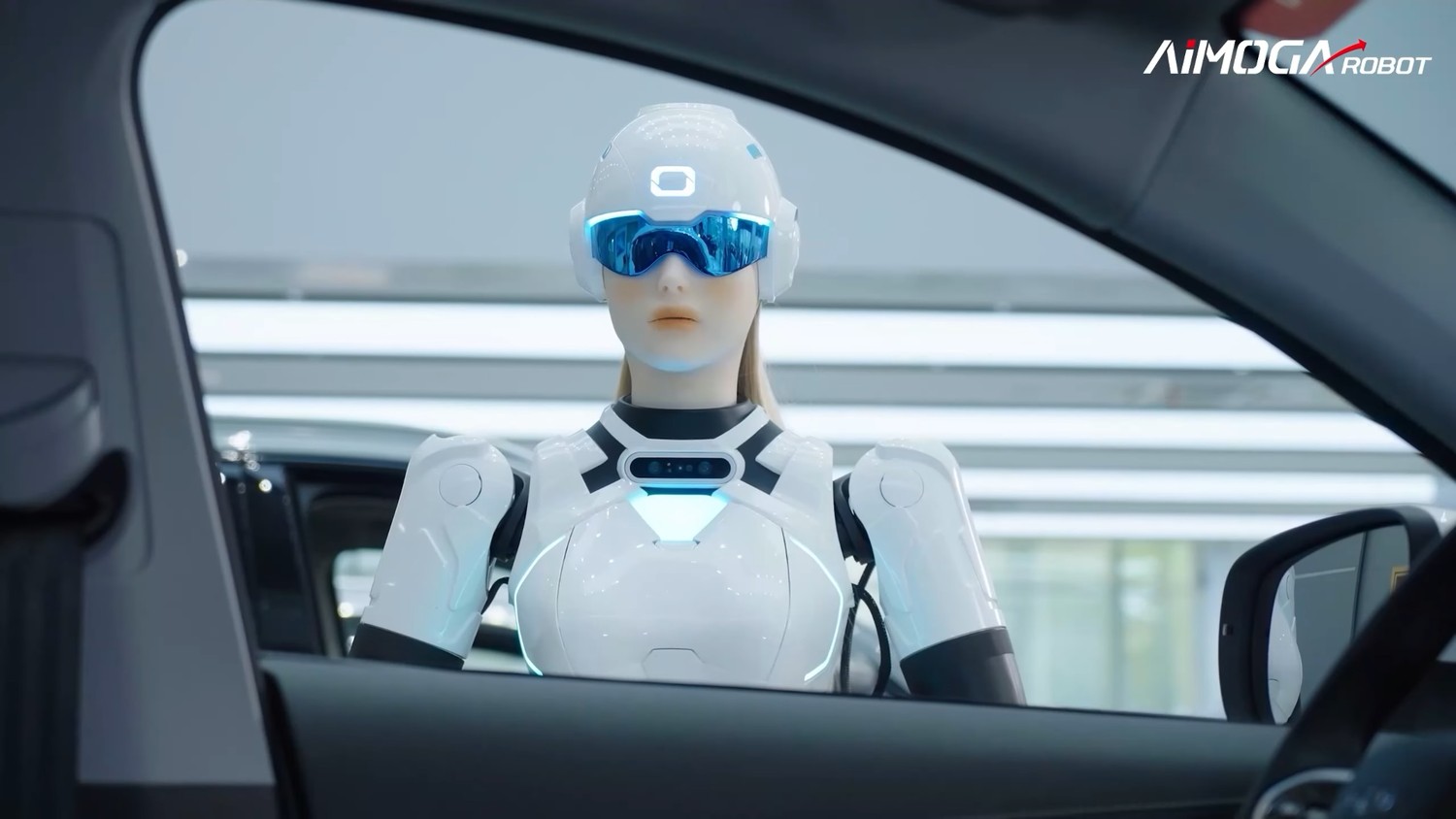
Mornine's technical foundation combines automotive-grade hardware with bionic motion systems refined through Chery's autonomous vehicle expertise. The robot integrates a sophisticated sensor ecosystem including 3D LiDAR, RGB and stereo cameras, depth sensors, and force-sensitive hands that enable real-time environmental mapping and object interaction. Its dual-core computing brain leverages Deepseek AI models for multimodal perception, allowing the robot to process visual, auditory, and gestural inputs simultaneously. This integration of advanced sensing and AI middleware creates a system capable of navigating complex retail spaces, identifying obstacles, and executing delicate tasks like serving refreshments or guiding customers through showroom layouts with fluid, human-like movement.
Beyond Cars to Endless Possibilities
Chery envisions Mornine extending far beyond automotive dealerships into hospitality, healthcare, logistics, and public venues. Current deployments position the robot as an "Intelligent Sales Consultant" in car showrooms, where it explains vehicle specifications, leads tours, and engages tech-savvy customers through natural conversation. Future applications span museum guidance, mall reception, warehouse logistics coordination, and eldercare companionship, leveraging Mornine's flexible architecture and advanced AI to serve as a daily assistant across diverse environments. The company's strategic positioning reflects confidence that humanoid robots will achieve parity with vehicles as essential commercial infrastructure within the coming decade.
Architecture Built for Interaction
Mornine's physical design translates technical specifications into human-centric capabilities. Standing 175 centimeters tall with a 41-degree-of-freedom skeleton, the robot achieves natural bipedal locomotion at speeds up to 1.4 meters per second, enabling seamless navigation through crowded showrooms and retail spaces. Its dexterous hands feature 12 degrees of freedom each, allowing precise manipulation of objects ranging from serving trays to precision instruments. The robot's sensor suite—including force sensors distributed throughout hands and arms—enables collaborative interaction with humans through force-limiting safety protocols and collision detection. A four-year battery life sustains extended customer-facing sessions, while Visual SLAM navigation with ±5 centimeter indoor precision ensures reliable autonomous movement. ROS2-based software architecture supporting Python and C++ APIs facilitates rapid customization for sector-specific deployments.
Competitive Positioning in Humanoid Space
| Robot | Strengths over Mornine | Mornine Advantages | Weaknesses vs. Mornine |
|---|---|---|---|
| Daimon One | Specialized industrial manipulation | Superior multimodal AI and natural dialogue in 10 languages; retail-optimized design | Limited language capability; less suited for customer-facing roles |
| AgiBot X2 | Higher speed locomotion in specific terrains | Better hand dexterity (12 DOF); integrated Deepseek AI for conversational depth | Narrower application range; less refined gesture recognition |
| DR01 | Established enterprise deployment network | Advanced force sensing for safe human collaboration; proven 4-year battery endurance | Smaller installed base; newer to market |
| X-Man F1 | Greater payload capacity for industrial tasks | Optimized for hospitality and service; rapid 60-minute domain learning capability | Lower payload; less suited for heavy logistics |
Explore Humanoids


Related Articles

Realbotix Unveils M-Series Robot with Advanced Expressiveness for Enterprise Customer Service

Realbotix F-Series Debuts in Ericsson Enterprise Training

Deep Robotics' DR01 Humanoid Charges Toward Mass Production
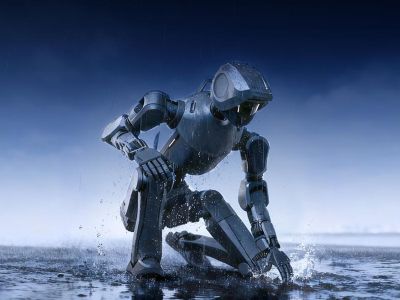
DR02 Conquers Rain, Dust with IP66 All-Weather Mastery
Related Comparisons
Compare Mornine with similar robots

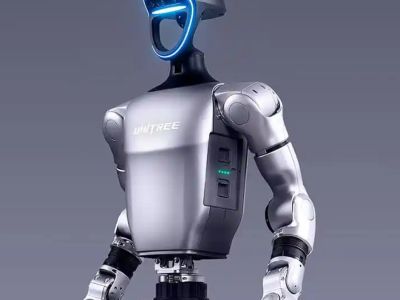
Optimus vs Unitree G1
Compare Optimus vs Unitree G1 for humanoid mobility, dexterity, autonomy, and payload capacity.
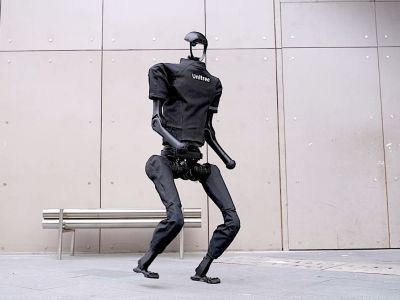
Unitree G1 vs Unitree H1
Head-to-head: Unitree G1 vs Unitree H1 compared on bipedal balance, AI learning, and real-world deployment.
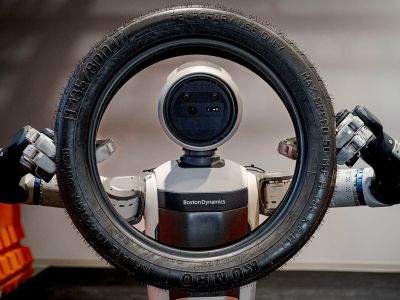
Optimus vs Atlas (Electric 2025)
In-depth comparison of Optimus and Atlas (Electric Atlas, 2025), covering hardware capabilities, teleoperation, and enterprise readiness.
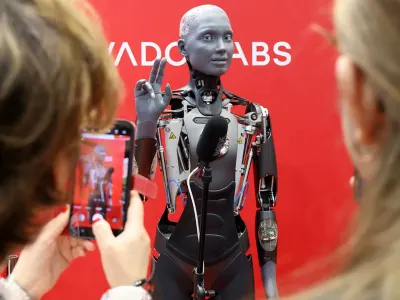

Ameca vs Moya
Which humanoid robot is better? Ameca vs Moya compared for dexterity, AI capabilities, and price.
Learn More About This Robot
Discover detailed specifications, reviews, and comparisons for Mornine.
View Robot Details →