Alpha vs Martian at a glance
Alpha has more degrees of freedom (164 against 23 for Martian), which allows finer movement. Martian lasts longer on a charge, about 4 hours against 1.5 hours for Alpha. Martian is quicker, with a top speed of 3 m/s versus 1.4 m/s for Alpha. Martian is lighter at 50 kg, compared with 60 kg for Alpha.
Which one fits your use?
Based on the uses each robot is built and marketed for. Open a use to see the specs that matter for it.
| Comparing for… | Alpha | Martian |
|---|---|---|
| Not listed | Suited | |
| Not listed | Suited | |
| Suited | Suited | |
| Suited | Suited | |
| Suited | Not listed |
- Pick Alpha for hospitality, retail and public-facing roles.
- Pick Martian for warehouse and logistics work and factory and manufacturing work.
- Both suit research labs and education and training, so compare the specs for that use.
Alpha by Clone Robotics positions itself in the humanoid market through its biomimetic design mimicking human musculoskeletal systems, targeting industrial automation, home assistance, and research. Its key differentiators include water-powered myofiber muscles for fluid motion, extensive sensor suite with 4 depth cameras and 320 pressure sensors, and a 4.5-year battery life. The robot supports AI automation with manual override, Linux-based software, and safety features like obstacle detection.
Martian by UniX AI enters the comparison as a versatile humanoid for logistics, manufacturing, and household tasks, emphasizing in-house developed components and high-speed mobility. It stands out with a top speed of 10.8 km/h, a comprehensive sensor array including RGB cameras, LiDAR, and temperature sensors, plus a 3-5 year battery range. Control relies on autonomous learned behaviors, ROS2 software, and safety measures such as force limiting and collaborative mode.
Detailed Analysis

Alpha
Design & Build Quality
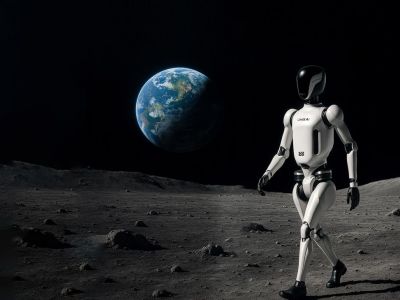
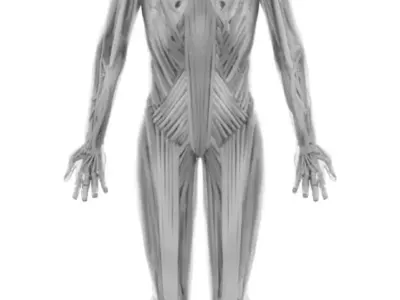
Alpha measures 170 x 45 x 30 cm and weighs 60 kg, utilizing synthetic muscles and a hydraulic system for human-like flexibility. Martian is slightly smaller at 160 x 50 x 30 cm and lighter at 50 kg, featuring 16-DoF dexterous hands, 7-DoF arms, and 6-DoF legs for squatting and object manipulation. Both employ advanced actuation but Alpha prioritizes biomimetic fluidity while Martian focuses on industrial-grade dexterity.
Martian
Mobility & Navigation
Alpha achieves 5 km/h speed with LiDAR, SLAM, and visual odometry for navigation. Martian reaches 10.8 km/h, supported by indoor visual SLAM and LiDAR mapping, enabling faster movement in varied environments. Alpha's approach suits precise, collaborative tasks, whereas Martian's higher speed benefits logistics and manufacturing applications.

Alpha
Sensors & Perception
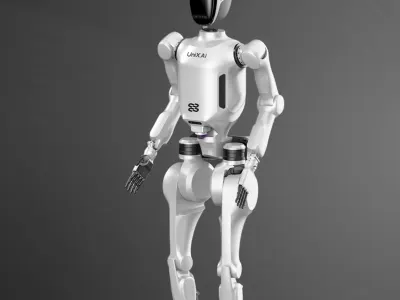
Alpha integrates 4 depth cameras, 70 inertial sensors, 320 pressure sensors, IMU, gyroscope, and force sensors for detailed perception. Martian uses RGB cameras, depth cameras, LiDAR, ultrasonic, IMU, gyroscope, force sensors, and temperature sensors. Alpha offers higher pressure sensor count for tactile feedback, while Martian adds LiDAR and ultrasonic for robust environmental mapping.
Martian
AI Capabilities
Alpha employs AI automation with manual override on a custom Linux-based, ROS-compatible platform. Martian relies on autonomous learned behaviors via ROS2, proprietary software, Python, C++, and APIs. Both support advanced control, but Alpha includes manual options for research, contrasting Martian's focus on independent operation.
Alpha
Battery & Power Efficiency
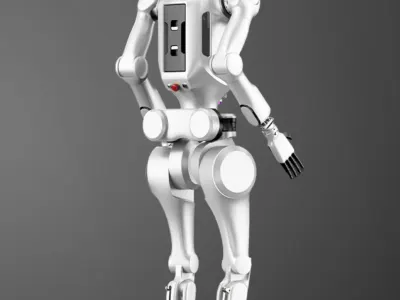
Alpha's water-powered myofiber system minimizes energy use. Martian offers 3-5 years, backed by a 100T computing platform with 64GB RAM. Alpha's fixed duration targets long-term deployments, while Martian's range accommodates variable service demands.
Martian
Use-Case Suitability
Alpha targets industrial automation, home assistance, research prototyping, and human-robot collaboration. Martian suits logistics, manufacturing, household assistance, research, and service industries. Both overlap in research and assistance, but Alpha emphasizes collaboration, and Martian prioritizes logistics efficiency.

Alpha
Software Ecosystem
Alpha runs Linux-based software that is ROS-compatible with a custom AI platform. Martian supports ROS2, proprietary systems, Python, C++ and APIs. Martian provides broader secondary development options, while Alpha focuses on integrated AI for automation.

Martian
Safety Features
Alpha includes emergency stop, obstacle detection, and collision avoidance. Martian features force limiting, collision detection, emergency stop, and collaborative mode. Both offer emergency stops, but Martian adds force limiting for shared workspaces.
Capabilities & Operational Tasks
Head-to-head comparison of what Alpha and Martian can do, their applications, and capabilities.
What Can Alpha & Martian Do?
96 tasks listed for both, 2 only for Alpha, 1 only for Martian.
Technical Specifications
Alpha and Martian differ on 32 of the 53 specifications listed for both.
Functional Utility & Use Cases
4 Comparative Metrics
Manipulation & Load Capacity
4 Comparative Metrics
Kinematic Architecture & Dexterity
4 Comparative Metrics
Related Comparisons
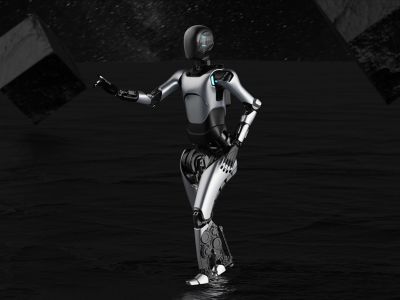
AgiBot A2 vs Martian
Compare AgiBot A2 and Martian. Detailed analysis of sensors, navigation, mobility, and battery life.
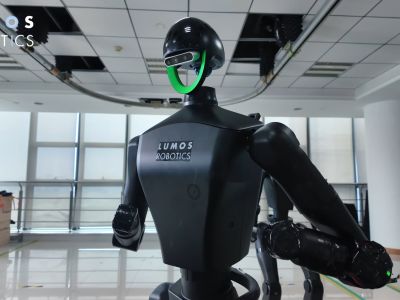
Alpha vs LUS2
Head-to-head: Alpha vs LUS2. Explore differences in navigation, battery, sensors, speed, and software.

Figure 02 vs Alpha
Compare Figure 02 and Alpha. Detailed analysis of sensors, navigation, battery, speed, and AI capabilities.
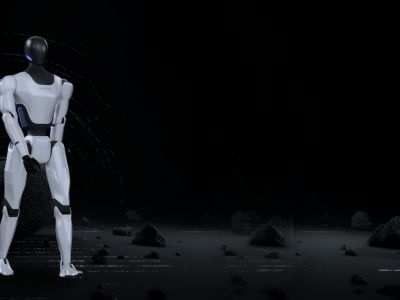
Zerith Z1 vs Martian
Zerith Z1 or Martian? Compare specs, sensors, navigation, battery, and mobility performance.
Verdicts reflect our research and opinion. Confirm specifications with the manufacturer before buying.