Next-Gen IRON vs Moya at a glance
Next-Gen IRON is quicker, with a top speed of 1.9 m/s versus 0.8 m/s for Moya. Moya is lighter at 32 kg, compared with 70 kg for Next-Gen IRON. Next-Gen IRON has more degrees of freedom (82 against 40 for Moya), which allows finer movement.
Which one fits your use?
Based on the uses each robot is built and marketed for. Open a use to see the specs that matter for it.
| Comparing for… | Next-Gen IRON | Moya |
|---|---|---|
| Suited | Suited | |
| Suited | Suited | |
| Not listed | Suited | |
| Suited | Not listed | |
| Not listed | Suited |
- Pick Next-Gen IRON for hospitality, retail and public-facing roles.
- Pick Moya for home help and elder care and healthcare settings.
- Both suit research labs and education and training, so compare the specs for that use.
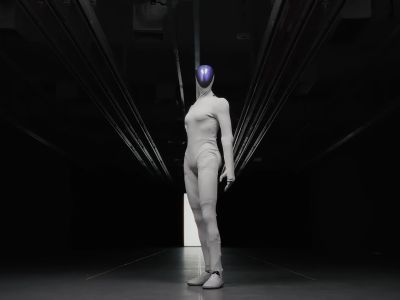
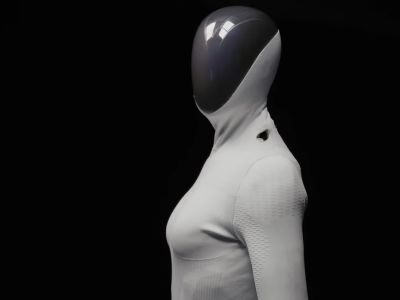
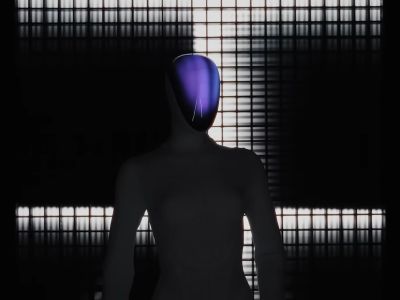
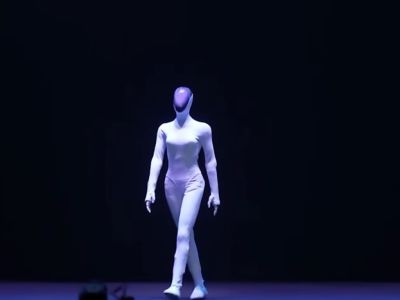
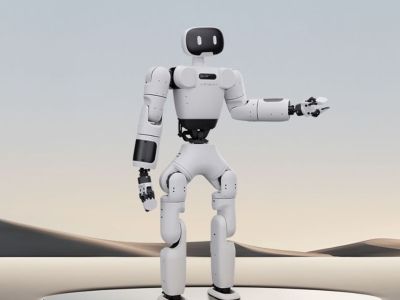
The Next-Gen IRON by XPENG positions itself as a versatile humanoid robot for industrial and service applications, leveraging XPENG's EV expertise in AI and mobility. It stands at 178 cm tall and weighs 70 kg, with a maximum walking speed of 7 km/h and full autonomy. Key differentiators include advanced bionic design with 82 degrees of freedom, 22 DoF hands for precise manipulation, and 3000 TOPS compute from three Turing AI chips. Its sensor suite features LiDAR and stereo cameras for robust environmental perception.
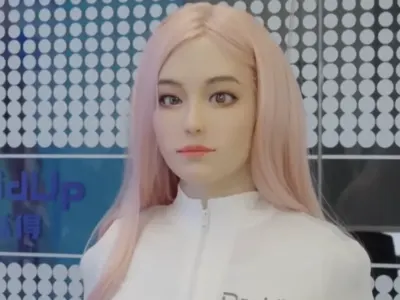
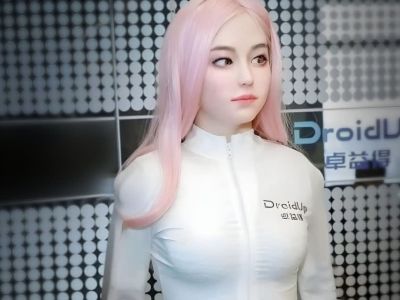
Moya by DroidUp targets social and care-oriented tasks as a lightweight humanoid with a 165 cm human-like profile and 32 kg weight. It emphasizes stable 3 km/h walking optimized for social environments and offers 40+ DoF including head micro-expressions. Differentiators include highly autonomous operation with teleoperation support and focus on elder care and tutoring. Its sensor array covers RGB cameras, IMU, and force sensors without LiDAR.
Detailed Analysis
Next-Gen IRON
Bipedal Mobility & Balance
Next-Gen IRON achieves 7 km/h walking speed with bionic muscles, flexible spine, and 82 DoF for dynamic stability and catwalk-like gait. Moya prioritizes stable social walking at 3 km/h with optimized balance for human environments. IRON's higher speed and joint count enable faster navigation in industrial spaces, while Moya's lighter 32 kg frame aids maneuverability in confined care settings. Both maintain collaborative safety through force limiting.
Moya
Dexterity & Manipulation (Focus on hands/arms)
Next-Gen IRON features 22 DoF hands with harmonic joints for fine motor control in tool handling and object manipulation. Moya provides 40+ total DoF including head micro-expressions, supporting 2 kg per arm carrying. IRON's hand design excels in precision tasks due to higher per-hand freedom. Moya emphasizes expressive interactions over heavy manipulation.
Next-Gen IRON
AI, Autonomy & Learning Capabilities
Next-Gen IRON runs full autonomous operations powered by 3000 TOPS from three Turing AI chips and VLA models for vision-language-action integration. Moya offers highly autonomous performance with teleoperation fallback, using ROS2-compatible proprietary OS. IRON's on-board compute enables real-time decision-making without remote input. Moya balances autonomy with human oversight for social applications.

Moya
Payload & Lifting Capacity
Next-Gen IRON supports 5 kg carrying per arm and 15 kg deadlift, aided by 70 kg frame and bionic structure. Moya handles 2 kg per arm and 10 kg deadlift with its 32 kg lightweight build. IRON provides superior strength for industrial loads. Moya suffices for light care tasks.
Next-Gen IRON
Battery Runtime & Power Efficiency
Next-Gen IRON uses solid-state batteries with high energy density. Both prioritize long-term efficiency for continuous deployment. IRON's solid-state tech enhances safety and lightweight design.
Moya
Real-World Use Cases (Industrial vs General Purpose)
Next-Gen IRON targets customer guidance, sales, industrial inspection, research, and healthcare with robust mobility and payload. Moya focuses on elder care companionship, educational tutoring, commercial service, and healthcare assistance emphasizing social stability. IRON suits dynamic industrial environments. Moya excels in interactive care settings.
Next-Gen IRON
Sensor Suite & Vision Systems
Next-Gen IRON integrates RGB cameras, stereo cameras, LiDAR, ultrasonic, IMU, gyroscope, force, temperature, and touch sensors for comprehensive perception. Moya employs RGB cameras, stereo cameras, IMU, gyroscope, force, and temperature sensors. IRON's LiDAR addition boosts navigation accuracy. Both support collision detection.

Moya
Which humanoid robot is better for industrial manufacturing?
Next-Gen IRON outperforms Moya in industrial manufacturing with 7 km/h speed, 20 kg deadlift, LiDAR navigation, and 3000 TOPS compute for inspection and assembly. Moya's lighter payload and slower speed limit it to lighter tasks. For manufacturing, select Next-Gen IRON by XPENG.
Next-Gen IRON
Which robot offers better autonomous learning capabilities?
Next-Gen IRON provides superior autonomous learning via VLA models and 3000 TOPS on three Turing chips for real-time adaptation without teleoperation. Moya relies on high autonomy with teleop support via ROS2. For pure autonomy, choose Next-Gen IRON by XPENG.
Capabilities & Operational Tasks
Head-to-head comparison of what Next-Gen IRON and Moya can do, their applications, and capabilities.
What Can Next-Gen IRON & Moya Do?
104 tasks listed for both, 4 only for Next-Gen IRON, 2 only for Moya.
Technical Specifications
Next-Gen IRON and Moya differ on 30 of the 52 specifications listed for both.
Functional Utility & Use Cases
4 Comparative Metrics
Manipulation & Load Capacity
4 Comparative Metrics
Kinematic Architecture & Dexterity
4 Comparative Metrics
Frequently Asked Questions
What are the payload and deadlift capacities of Next-Gen IRON by XPENG versus Moya by DroidUp?
XPENG has not published Next-Gen IRON's payload or lifting capacity. Moya by DroidUp carries 2 kg per arm and deadlifts 10 kg maximum.
How does the autonomy level and teleoperation support compare between Next-Gen IRON by XPENG and Moya by DroidUp?
Next-Gen IRON by XPENG achieves full autonomy with VLA models. Moya by DroidUp offers highly autonomous operation with teleoperation support.
What is the walking speed and stability focus of Moya by DroidUp compared to Next-Gen IRON by XPENG?
Moya by DroidUp walks at 3 km/h optimized for stable social environments. Next-Gen IRON by XPENG reaches 7 km/h with bionic balance.
What dexterity and hand capabilities does Next-Gen IRON by XPENG offer relative to Moya by DroidUp?
Next-Gen IRON by XPENG has 22 DoF hands for precise manipulation. Moya by DroidUp features 40+ total DoF including micro-expressions.
Which robot is more suitable for industrial inspection and customer guidance use cases?
Next-Gen IRON by XPENG supports industrial inspection, customer guidance, and sales with higher speed and payload.
Which humanoid is better for elder care companionship and educational tutoring deployments?
Moya by DroidUp excels in elder care companionship, educational tutoring, and healthcare assistance with social stability.
Related Comparisons
Ameca vs Moya
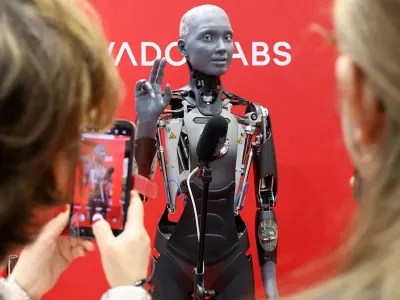
Which humanoid robot is better? Ameca vs Moya compared for dexterity, AI capabilities, and price.
AgiBot X1 vs Moya
In-depth comparison of AgiBot X1 and Moya, covering hardware capabilities, teleoperation, autonomy levels, and enterprise readiness for industrial and social robotics deployment.

Elf-Xuan 2.0 vs Moya
Elf-Xuan 2.0 vs Moya: AheadForm's stationary lifelike-face robot against DroidUp's walking companion humanoid, compared on faces, hands and uses.

Aria - Robot Girlfriend vs Moya
In-depth comparison of Aria - Robot Girlfriend and Moya, covering hardware capabilities, teleoperation, and enterprise readiness for companionship and service applications.
Verdicts reflect our research and opinion. Confirm specifications with the manufacturer before buying.