RaiBo
AI Chatby KAIST
South KoreaReleased: 2023
Last updated:
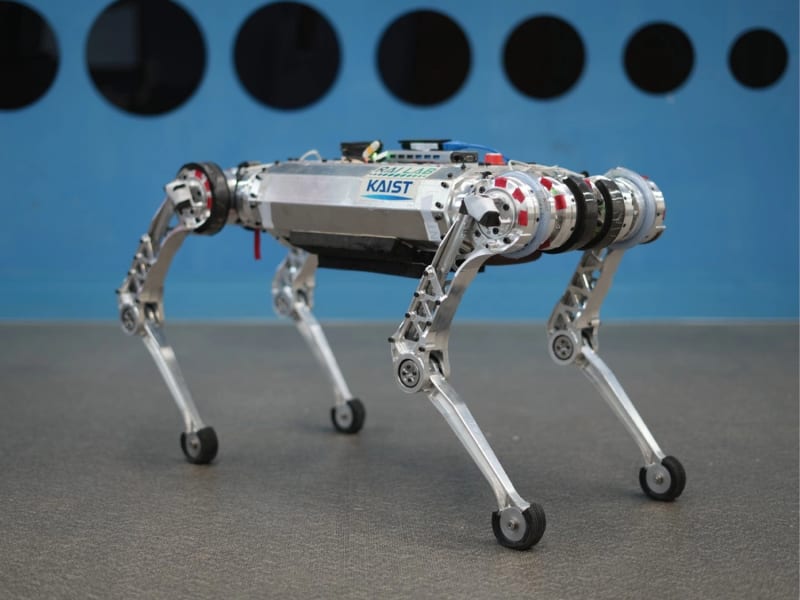
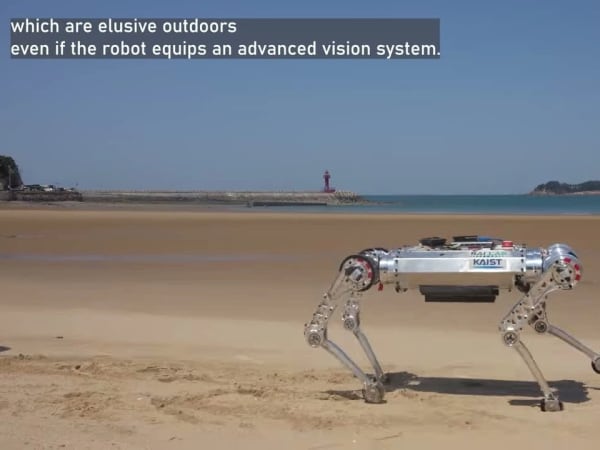
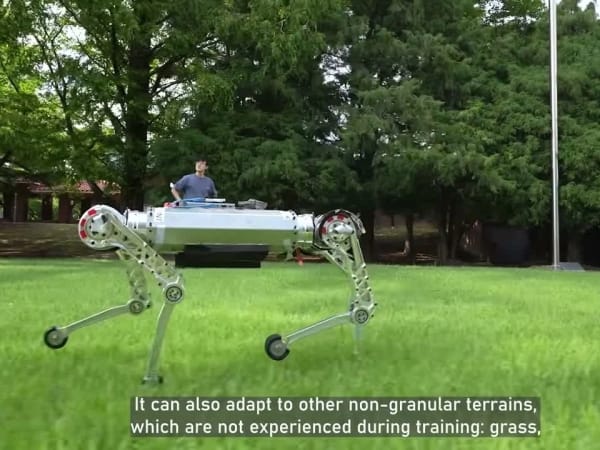
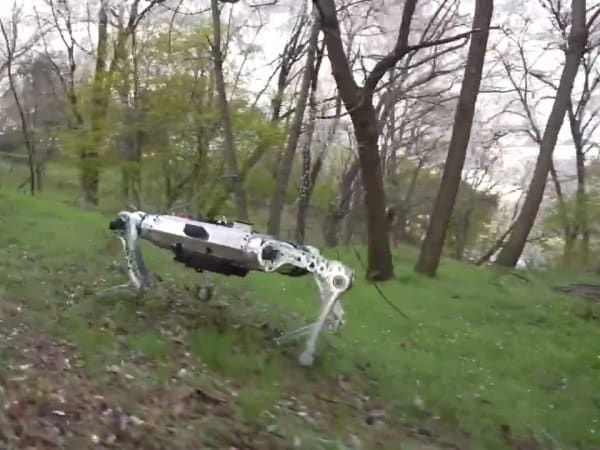
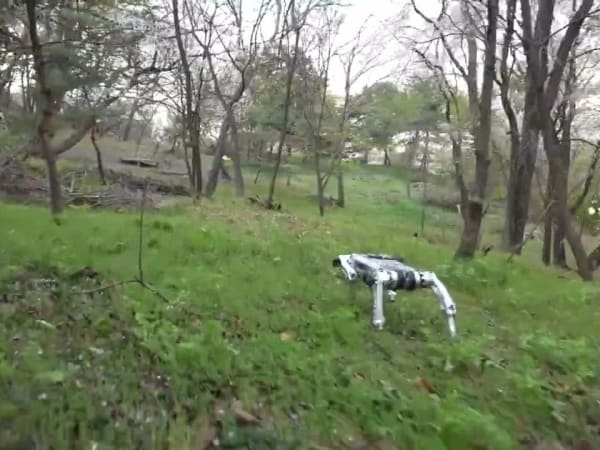
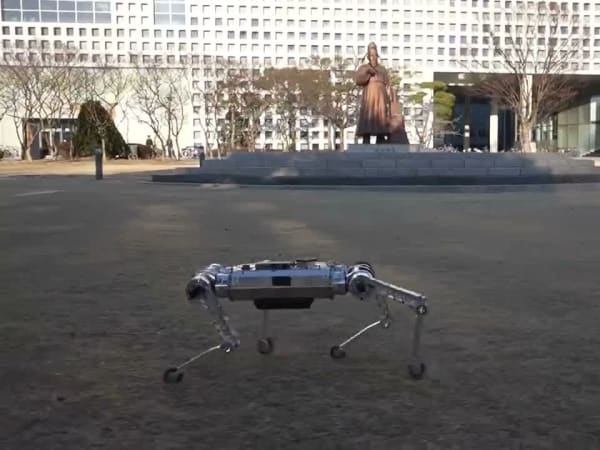
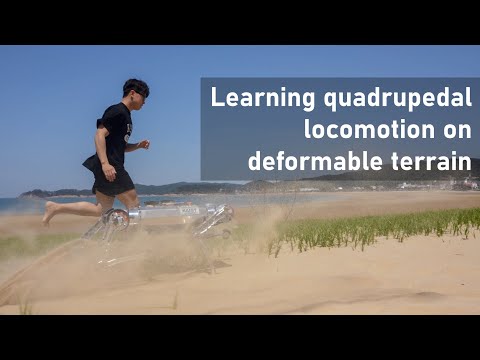
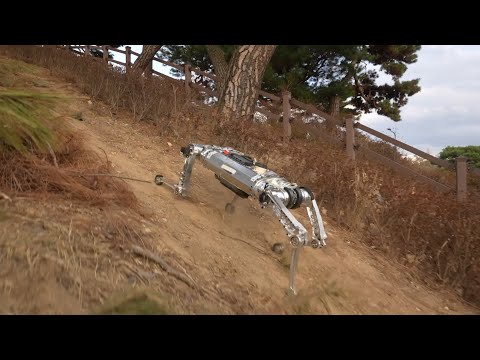
RaiBo is a versatile, mid-sized research quadruped built in-house by the Robotics and Artificial Intelligence Lab (RaiLab) at KAIST, led by Prof. Jemin Hwangbo. Its 12 powerful motors and high-frequency motor control let it run on hills, stairs and even soft sand using controllers learned with reinforcement learning. On a sandy beach it ran at about 3 metres per second with its feet sinking into the sand, and the same controller kept it stable on grass, a running track and a bouncy air mattress without any reprogramming. Its size suits practical jobs such as industrial inspection, exploration and patrol.
What Can RaiBo Do?
Core operational tasks and activities demonstrated or performed by RaiBo.
Real-World Applications of RaiBo
Industries, working environments, and deployment suitability for RaiBo.
RaiBo Capabilities
Inherent physical, perceptual, and cognitive abilities built into RaiBo.
Image Gallery
Below images are from KAIST's official sources


Review Videos
Watch expert reviews and demonstrations of this robot dog
Full Specifications
Other Notable Features
Built in-house by RaiLab; contact model of deformable ground used to train its controller; research funded by the Samsung Research Funding & Incubation Center; succeeded by RAIBO 2
RaiBo vs GENISOM L1, Black Panther II and MagicDog-W
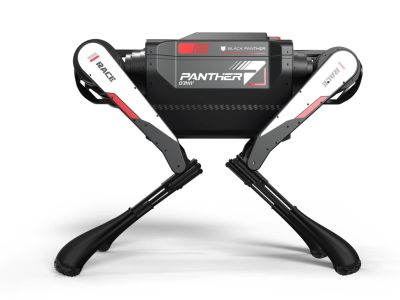
RaiBo overlaps with these alternatives on Inspection and quality control and Research and development. RaiBo leads this group on max speed.
Industries and capabilities are tags, not scores: a tick means the robot is listed for it. Green marks the best figure in a row (highest max speed). Ranges are not ranked.
| Spec | RaiBoKAIST | GENISOM L1Genisom AI | Black Panther IIMirrorMe Technology | MagicDog-WMagicLab |
|---|---|---|---|---|
| Industries | ||||
| Inspection and quality control | Yes | Yes | No | No |
| Research and development | Yes | Yes | Yes | Yes |
| Capabilities | ||||
| Adaptation | Yes | Yes | No | Yes |
| Learning | Yes | No | No | Yes |
| Terrain traversal | Yes | Yes | No | Yes |
| Stair climbing | Yes | Yes | No | Yes |
| Max Speed | 3.03 m/s | 3.7 m/s | 13.4 m/s | 3 m/s |
| Runtime | 3 h | 60–120 min | — | 2–4 h |
| Size Class | medium | medium | medium | medium |
Notes such as conditions or alternate figures are left out and values are shown in common units; open each page for the full specs. Browse all robot dogs
More Robots from KAIST
Explore other robots and developments from this manufacturer
MARVEL
By: KAIST
Launched: 2022
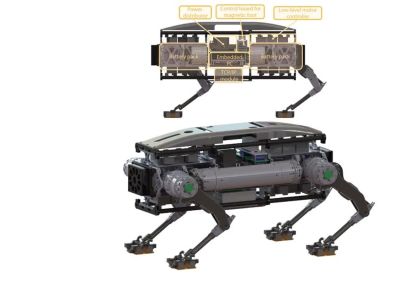
MARVEL is an untethered climbing quadruped from KAIST that walks on floors, vertical steel walls and even ceilings. Each foot holds a switchable electro-permanent magnet with a rubber-like magnetic sole, so the robot can grip steel firmly, release in a fraction of a second and take its next step. It climbs tanks, hulls and bridges that people would otherwise inspect by rope or scaffolding, steps over gaps and obstacles on the surface and moves from floor to wall to ceiling in one run. It is a leading example of a legged robot built for steel-structure inspection.

HOUND 1
By: KAIST
Launched: 2022
KAIST HOUND 1 is a fast, strong research quadruped built at the Dynamic Robot Control and Design Lab of KAIST in South Korea. Its drivetrain was designed with mixed-integer optimization of the gear train and motor heat limits, so the legs can deliver high torque and high speed without overheating. A single walking controller trained entirely with reinforcement learning let it run 100 metres from a standing start in 19.87 seconds, a Guinness World Record for the fastest quadruped robot. It also walks long distances, climbs slopes and steps over tall obstacles, which makes it a leading platform for legged-locomotion research.
Similar Robot Dogs
Robot dogs of a similar size, stage and terrain ability

Humanoid Robots You Might Like
Explore humanoid robots, the two-legged cousins of robot dogs








Frequently Asked Questions
Get answers to common questions about this robot