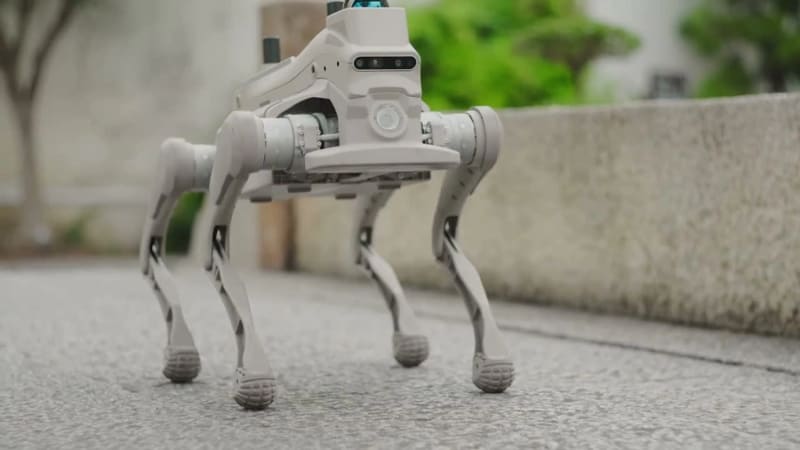
GENISOM L1
AI Chatby Genisom AI
ChinaReleased: 2025
Last updated:
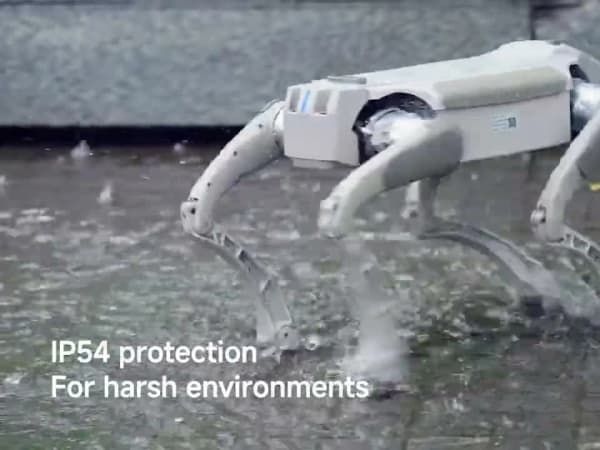
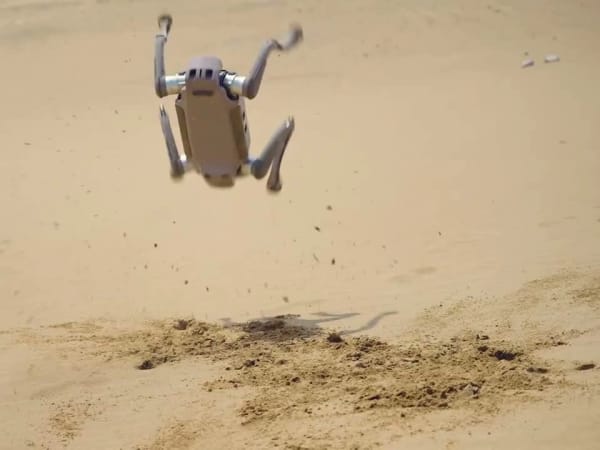
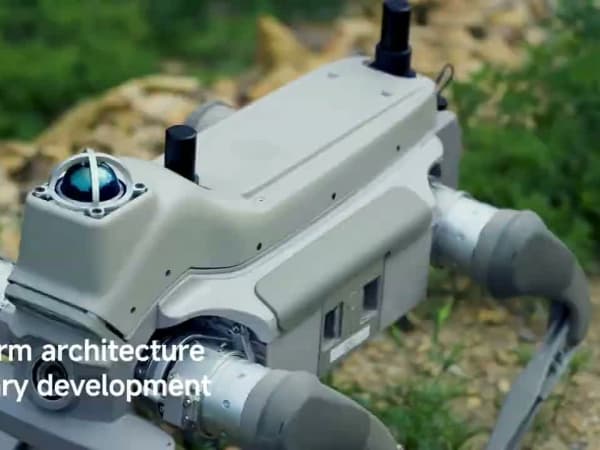
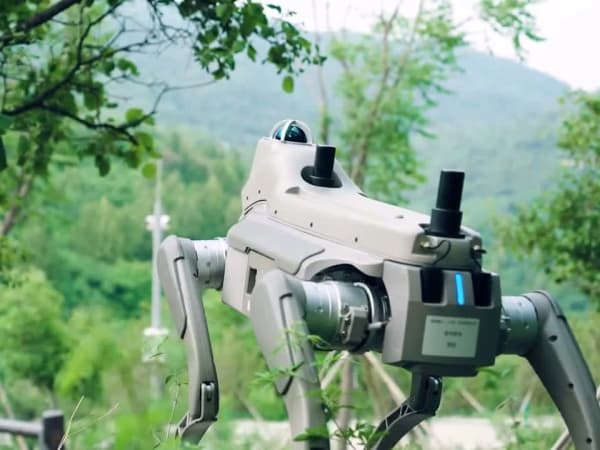
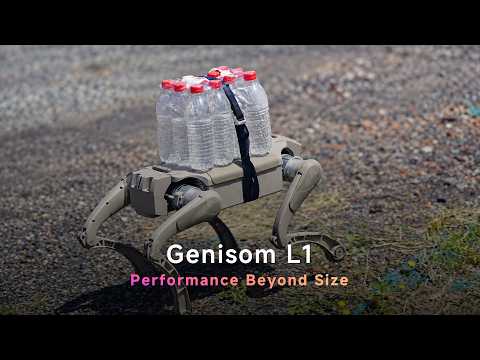
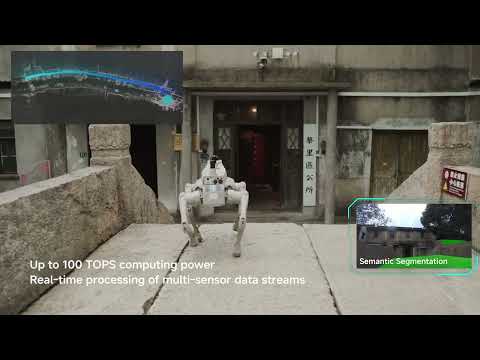
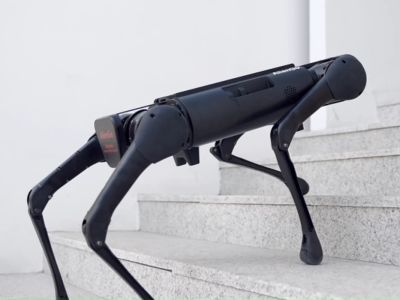
GENISOM L1 is a compact, fully legged quadruped from Genisom AI, billed as the first ultra-compact industrial-grade quadruped robot. Learned balance control keeps it steady on rubble, grass, sand and stairs, and a fully protected body with sealed joints lets it work in rain, dust and heat. Open hardware ports and an SDK make it easy to add sensors, compute and radios for patrol, inspection and robotics research. An EDU version adds an onboard NVIDIA computer, 3D LiDAR, depth camera and satellite positioning for autonomous navigation.
What Can GENISOM L1 Do?
Core operational tasks and activities demonstrated or performed by GENISOM L1.
Real-World Applications of GENISOM L1
Industries, working environments, and deployment suitability for GENISOM L1.
GENISOM L1 Capabilities
Inherent physical, perceptual, and cognitive abilities built into GENISOM L1.
Image Gallery
Below images are from Genisom AI's official sources
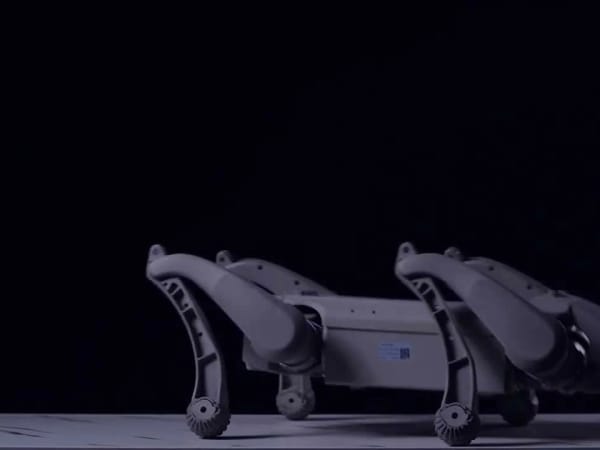
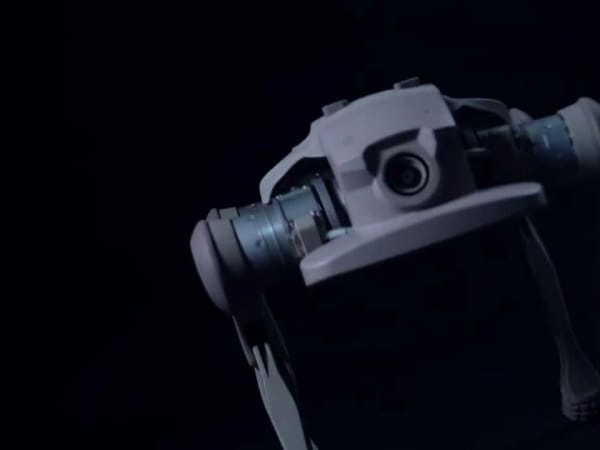
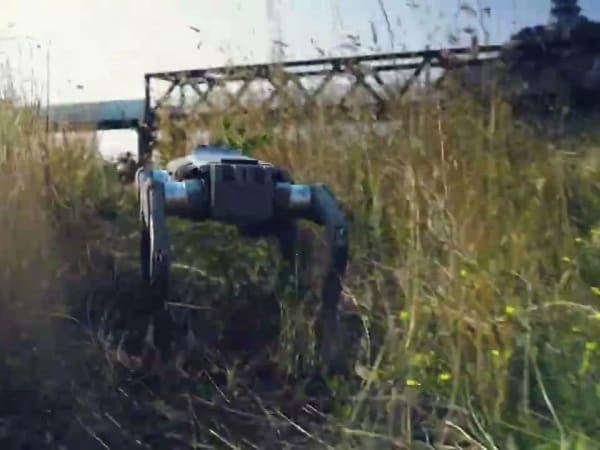

Review Videos
Watch expert reviews and demonstrations of this robot dog
Full Specifications
Other Notable Features
Fully legged agile platform; 360° full-body protection; AI reinforcement-learning motion control; OTA firmware upgrades; target tracking; real-time video transmission; multi-robot fleet management and drone-ground cooperation; open hardware interfaces for sensors and compute; EDU version with Jetson Orin NX, Livox Mid-360 LiDAR, RealSense depth camera, GNSS/RTK and 5G; optional handheld controller and EPP hard transport case
GENISOM L1 vs AgiBot D1 Pro, Unitree Go2 and GENISOM M1
GENISOM L1 overlaps with these alternatives on Education and training and Security guard. GENISOM L1 leads this group on weight but trails on max payload.
Industries and capabilities are tags, not scores: a tick means the robot is listed for it. Green marks the best figure in a row (highest max speed and max payload; lowest weight). Ranges are not ranked.
| Spec | GENISOM L1Genisom AI | AgiBot D1 ProAgiBot | Unitree Go2Unitree Robotics | GENISOM M1Genisom AI |
|---|---|---|---|---|
| Industries | ||||
| Education and training | Yes | Yes | Yes | No |
| Security guard | Yes | No | Yes | Yes |
| Inspection and quality control | Yes | No | No | Yes |
| Search and rescue | Yes | No | No | Yes |
| Capabilities | ||||
| Adaptation | Yes | Yes | Yes | No |
| Developer friendly | Yes | No | No | Yes |
| Remote control (teleoperation) | Yes | No | No | Yes |
| Weatherproof | Yes | No | No | Yes |
| Max Speed | 3.7 m/s | 3.5 m/s | 5 m/s | 4 m/s |
| Max Payload | 8 kg | 8 kg | 12 kg | 30 kg |
| Runtime | 60–120 min | 60–120 min | 2–4 h | 5 h |
| Weight | 15 kg | 15.5 kg | 15 kg | 30 kg |
| Size Class | medium | medium | medium | medium |
Notes such as conditions or alternate figures are left out and values are shown in common units; open each page for the full specs. Browse all robot dogs
More Robots from Genisom AI
Explore other robots and developments from this manufacturer

GENISOM M1
By: Genisom AI
Launched: 2026
GENISOM M1 is an industrial wheel-leg quadruped from Genisom AI, sold in China as the Tongchui M1. It is billed as a lightweight, fully sealed robot that carries a payload close to its own body weight, so one machine can haul sensors, comms gear or supplies across rough ground. Rated IP67 and built to work in rain, dust, snow and extreme heat or cold, it switches between legged walking over obstacles and fast wheeled driving on smooth surfaces, and its dual hot-swap batteries keep it working for long shifts. It is used for security patrol, power and infrastructure inspection, logistics and emergency response, and it won the autonomous-navigation category at the 2026 Beijing Yizhuang Robot Warrior Challenge. Pro and Ultra versions add multi-floor 3D navigation and 720-degree panoramic perception.

GENISOM L1 W
By: Genisom AI
Launched: 2025
GENISOM L1 W, also written L1-W, is a compact wheel-leg quadruped from Genisom AI and is marketed as the first small industry-grade wheeled quadruped. Each leg ends in a wheel, so it rolls quickly and almost silently on flat ground and switches to legs to climb stairs, step over obstacles and squeeze through tight spaces. A fully protected body, learned balance control and open hardware ports make it a tough, easy-to-extend platform for patrol, inspection, rescue and teaching. An EDU version adds an onboard NVIDIA computer, 3D LiDAR, depth camera and satellite positioning for navigation research.
Similar Robot Dogs
Robot dogs of a similar size, stage and terrain ability
Humanoid Robots You Might Like
Explore humanoid robots, the two-legged cousins of robot dogs



Frequently Asked Questions
Get answers to common questions about this robot