
ProtoClone
AI ChatLast updated:
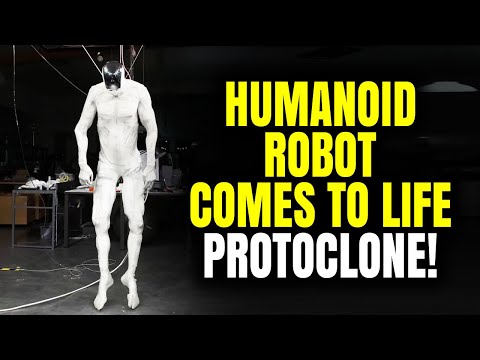
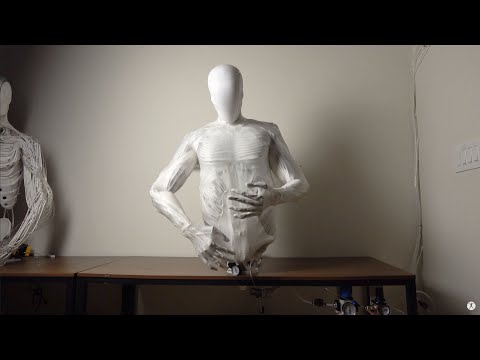
Protoclone is a highly advanced bipedal musculoskeletal android developed by Clone Robotics, designed to closely mimic human anatomy and movement. It features a polymer skeleton with 206 bones, over 1,000 artificial muscle fibers called Myofibers, and more than 200 degrees of freedom, enabling fluid, human-like motions. Equipped with 500 sensors including cameras, pressure, and inertial sensors, it integrates synthetic skeletal, muscular, vascular, and nervous systems. Currently powered by a 500-watt electric pump and pneumatic actuators, it is planned to transition to hydraulics for enhanced performance. Protoclone targets household and commercial applications such as cooking, cleaning, and other domestic tasks, representing a milestone in biomimetic robotics with a focus on natural movement and interaction.
Quick Overview & Key Facts
ProtoClone is a humanoid robot made by Clone Robotics in Poland, launched in 2025 and built for biomechanical musculoskeletal testing, synthetic muscle fatigue benchmarking, and joint compliance trials. Featured in “Clone’s Protoclone V1 Mirrors Human Muscles with 1,000 Myofibers, 500 Sensors”.
- Dimensions
- Approximately 180 cm x 60 cm x 40 cm (height x width x depth)
- Handles
- Biomechanical test loads (benchmarking synthetic myofiber contractions)
- Battery runtime
- Approximately 2 hours continuous operation
- Sensors
- Four cameras, 320 pressure-sensitive sensors, 70 inertial measurement units (IMUs), temperature sensors, humidity sensors
- Operating environment
- Primarily indoor; temperature range 10°C to 35°C
What Can ProtoClone Do?
Core operational tasks and activities demonstrated or performed by ProtoClone.
Real-World Applications of ProtoClone
Industries, working environments, and deployment suitability for ProtoClone.
ProtoClone Capabilities
Inherent physical, perceptual, and cognitive abilities built into ProtoClone.
Download Media Cards
Story CardExport high-resolution story cards summarizing ProtoClone's operational tasks, real-world applications, and capabilities.
Review Videos
Watch expert reviews and demonstrations of this robot

Robot Specifications
Values without a Confirmed badge are compiled from public sources and may not be manufacturer-verified.
Not yet published by Clone Robotics: warranty terms, safety certifications, EMC compliance, IP rating, noise level, expected lifespan, maintenance schedule, firmware version and 7 more.
Robot Timeline
Key milestones in this robot's development and rollout
Clone Robotics introduces Alpha, a prototype humanoid that walks using water-powered artificial muscles.
Source: Interesting Engineering ↗
Clone Robotics shows video of Protoclone V1, a faceless musculoskeletal android with about 1,000 artificial muscles and 500 sensors.
Source: Interesting Engineering ↗
Latest News About ProtoClone
Stay updated with the latest articles and developments

More Robots from Clone Robotics
Explore other robots from this manufacturer
Alpha
Manufactured by Clone Robotics
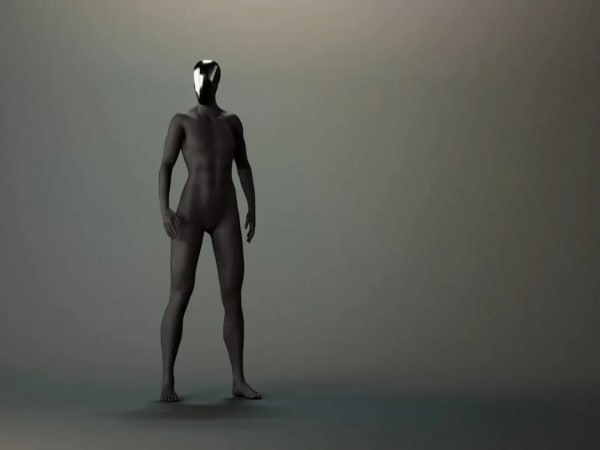
Alpha by Clone Robotics is a versatile humanoid robot engineered to excel in service, security, and light industrial roles. With human-like dexterity and AI-driven decision making, Alpha can interact smoothly in dynamic environments such as retail stores, warehouses, and office buildings. Its robust design supports tasks from delivery and inspection to customer assistance, offering scalable automation with high safety standards. Alpha’s adaptive learning and modular attachments make it a practical solution for industries seeking efficient, intelligent robotic partners.
More Humanoid Robots
Discover more robots in the same category
Robots From Other Categories
Discover complementary robots from different categories that work well together
Frequently Asked Questions
Get answers to common questions about this robot
Q1. What is Protoclone by Clone?
Protoclone is a humanoid robot by Clone Robotics featuring a musculoskeletal structure with 206 polymer bones and 1,000 artificial muscle fibers for human-like movement.
Q2. When was Protoclone launched?
The prototype was demonstrated in early 2025, with preorder plans for a limited Clone Alpha edition later that year.
Q3. What are Protoclone's primary use-cases?
It is designed for household tasks such as cooking, cleaning, making sandwiches, pouring drinks, and fetching items.
Q4. What is Protoclone's top speed?
Exact top speed is not specified, but its human-like musculoskeletal design suggests moderate, human-comparable movement speeds.
Q5. What is the weight of Protoclone?
The exact weight is not publicly disclosed; estimated to be similar to a lightweight humanoid robot, likely between 40-60 kg.
Rating and Reviews
Share your experience and help others decide!
Loading...
User Reviews
No user reviews. Be the first one to review!
User Comments (No Login needed)
Share your thoughts, experiences, or questions about this robot.
Comments appear after moderator review.