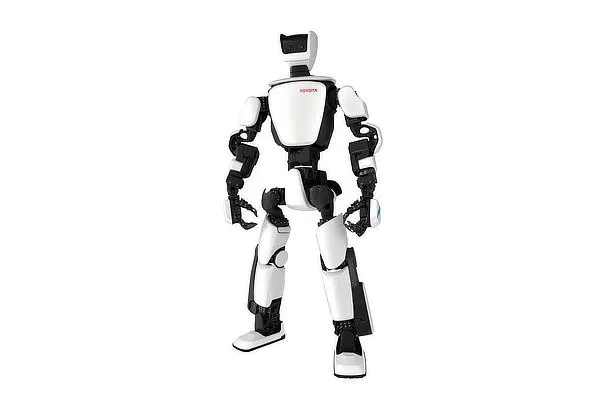
Toyota T-HR3
AI ChatLast updated:
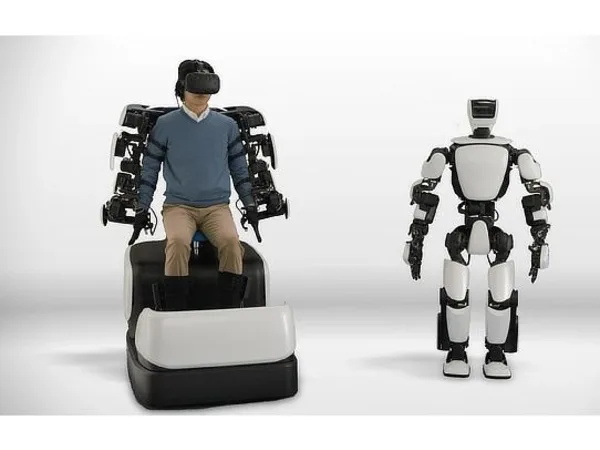
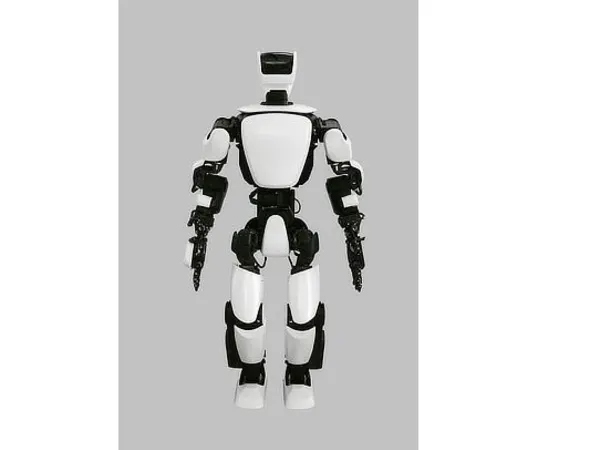
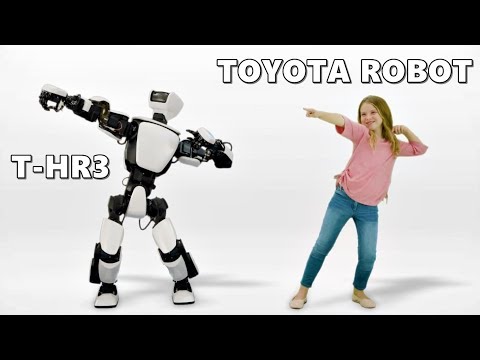
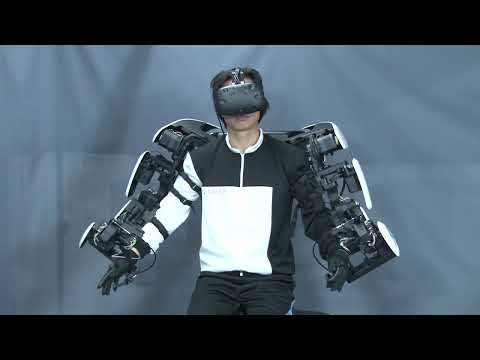
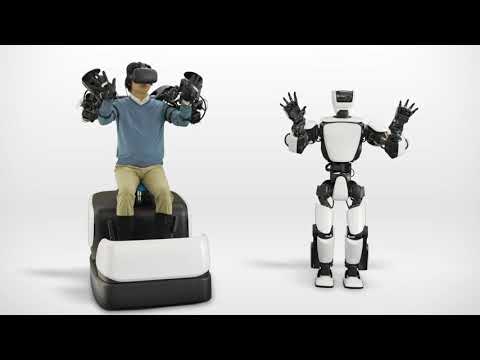
Toyota T-HR3 is a third-generation research humanoid robot developed by Toyota's Frontier Research Center to explore friendly and safe human-robot coexistence, remote medical care, and disaster response. Standing 154 cm tall and weighing 75 kg, T-HR3 is controlled by a synchronized Master Maneuvering System (MMS) chair that mirrors human operator motions in real time via VR headsets and data gloves. It features 32 degrees of freedom across its frame with 29 proprietary Torque Servo Modules developed by Toyota and Tamagawa Seiki, incorporating ultra-thin Cr-N alloy force-torque sensors. The platform provides force feedback so operators can feel contact forces, hold delicate balloons without bursting them, or perform tasks over low-latency 5G wireless networks.
Quick Overview & Key Facts
Toyota T-HR3 is a humanoid robot made by Toyota in Japan, launched in 2017 and built for remote telepresence medical care, domestic elderly assistance research, and disaster site reconnaissance. Its estimated price is Technology Demonstrator / R&D Platform (Not Commercially Sold; Est. Dev Value >$250,000).
- Dimensions
- 154 cm × 55 cm × 34 cm (1,540 mm standing height)
- Weight
- 75 kg (165 lbs)
- Top speed
- 1.2 m/s (4.3 km/h)
- Handles
- Medical bandages, assistive care tools, balloons, fragile domestic items, sports balls
- Battery runtime
- 2.5–3.5 hours active bipedal walking & teleoperation
- Charging time
- 1.5 hours
- Sensors
- 29 Torque Servo Modules with Cr-N alloy thin-film torque sensors, 6-axis foot force sensors, binocular head cameras, torso IMU
What Can Toyota T-HR3 Do?
Core operational tasks and activities demonstrated or performed by Toyota T-HR3.
Real-World Applications of Toyota T-HR3
Industries, working environments, and deployment suitability for Toyota T-HR3.
Toyota T-HR3 Capabilities
Inherent physical, perceptual, and cognitive abilities built into Toyota T-HR3.
Download Media Cards
Story CardExport high-resolution story cards summarizing Toyota T-HR3's operational tasks, real-world applications, and capabilities.
Image Gallery
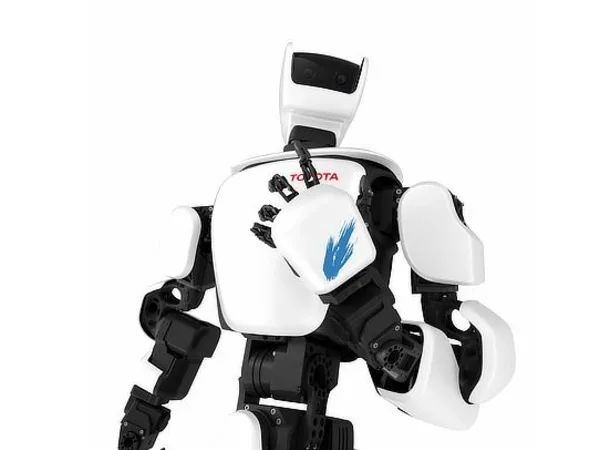
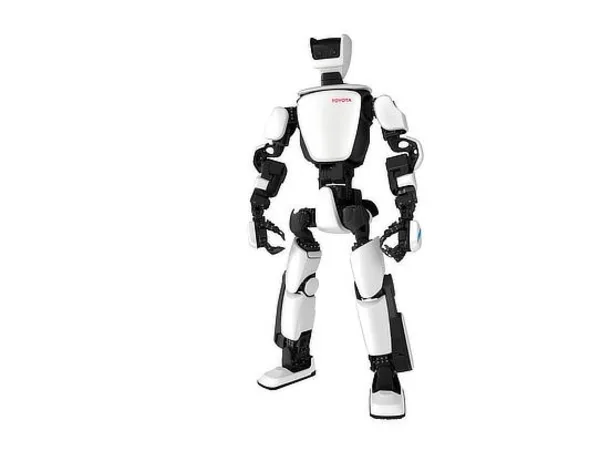
Below images are from Toyota's official sources
Review Videos
Watch expert reviews and demonstrations of this robot
Robot Specifications
ConfirmedValues marked Confirmed were checked against the manufacturer's official data; select the badge to open the source. Values without a Confirmed badge are compiled from public sources and may not be manufacturer-verified.
Not yet published by Toyota: warranty terms, safety certifications, EMC compliance, IP rating, noise level, expected lifespan, maintenance schedule, firmware version and 6 more.
Robot Timeline
Key milestones in this robot's development and rollout
Toyota unveils the third-generation T-HR3, a 1.54 m, 75 kg humanoid with a Torque Servo Module and a Master Maneuvering System for remote operation.
Source: Toyota ↗
The T-HR3 is exhibited at the International Robot Exhibition 2017 at Tokyo Big Sight.
Source: Toyota ↗
More Robots from Toyota
Explore other robots from this manufacturer

More Humanoid Robots
Discover more robots in the same category
Robots From Other Categories
Discover complementary robots from different categories that work well together


Frequently Asked Questions
Get answers to common questions about this robot
Q1. What is Toyota T-HR3, and what problem is it designed to solve?
Toyota T-HR3 is Toyota’s third-generation humanoid robot, announced in 2017 as a remote-operated platform for studying safe human-robot interaction and physical assistance tasks.
Q2. What are the main capabilities and key features of Toyota T-HR3?
According to Toyota, it mirrors an operator’s movements and uses force feedback so the operator can feel interaction forces through the remote control system.
Q3. Who is Toyota T-HR3 built for, and which industries can benefit from it?
Toyota has described T-HR3 as a test platform for assistance, welfare, manufacturing, mobility, and hazardous-environment use cases, rather than a consumer robot.
Q4. Is Toyota T-HR3 a commercial product or still a research prototype?
T-HR3 is generally described by Toyota as a research and development prototype, with no indication of a mass-market commercial release.
Q5. Is Toyota T-HR3 currently available for purchase, and when is it expected to ship?
As of 2026, Toyota has not announced T-HR3 as a retail product, and no public shipping schedule has been disclosed.
Q6. How does Toyota T-HR3 actually work in real-world environments?
It is operated by a remote human using a master system that transmits body motions to the robot, with feedback intended to support more precise manipulation.
Q7. When was Toyota T-HR3 announced or officially launched?
Toyota officially unveiled T-HR3 on November 21, 2017, and showed it at the International Robot Exhibition later that year.
Q8. How is Toyota T-HR3 different from other robots in the same category?
Compared with many humanoid robots, T-HR3 emphasizes bilateral teleoperation, meaning the operator’s motion is mirrored and force feedback is returned to the user.
Q9. Does Toyota T-HR3 require additional development or customization after purchase?
Toyota has presented T-HR3 as a platform for ongoing refinement, so any real deployment would likely require application-specific development and integration.
Q10. What is the future roadmap or planned upgrades for Toyota T-HR3?
Toyota has said it aims to keep improving remote operation and physical interaction capabilities, including broader use in practical environments such as assistance and mobility tasks.
Rating and Reviews
Share your experience and help others decide!
Loading...
User Reviews
No user reviews. Be the first one to review!
User Comments (No Login needed)
Share your thoughts, experiences, or questions about this robot.
Comments appear after moderator review.