Clone Robotics' Myofiber Muscles Achieve Biomimetic Production Milestone
Robot Details
Alpha • Clone RoboticsPublished
March 21, 2026
Reading Time
2 min read
Author
Origin Of Bots Editorial Team
Production Leap Forward
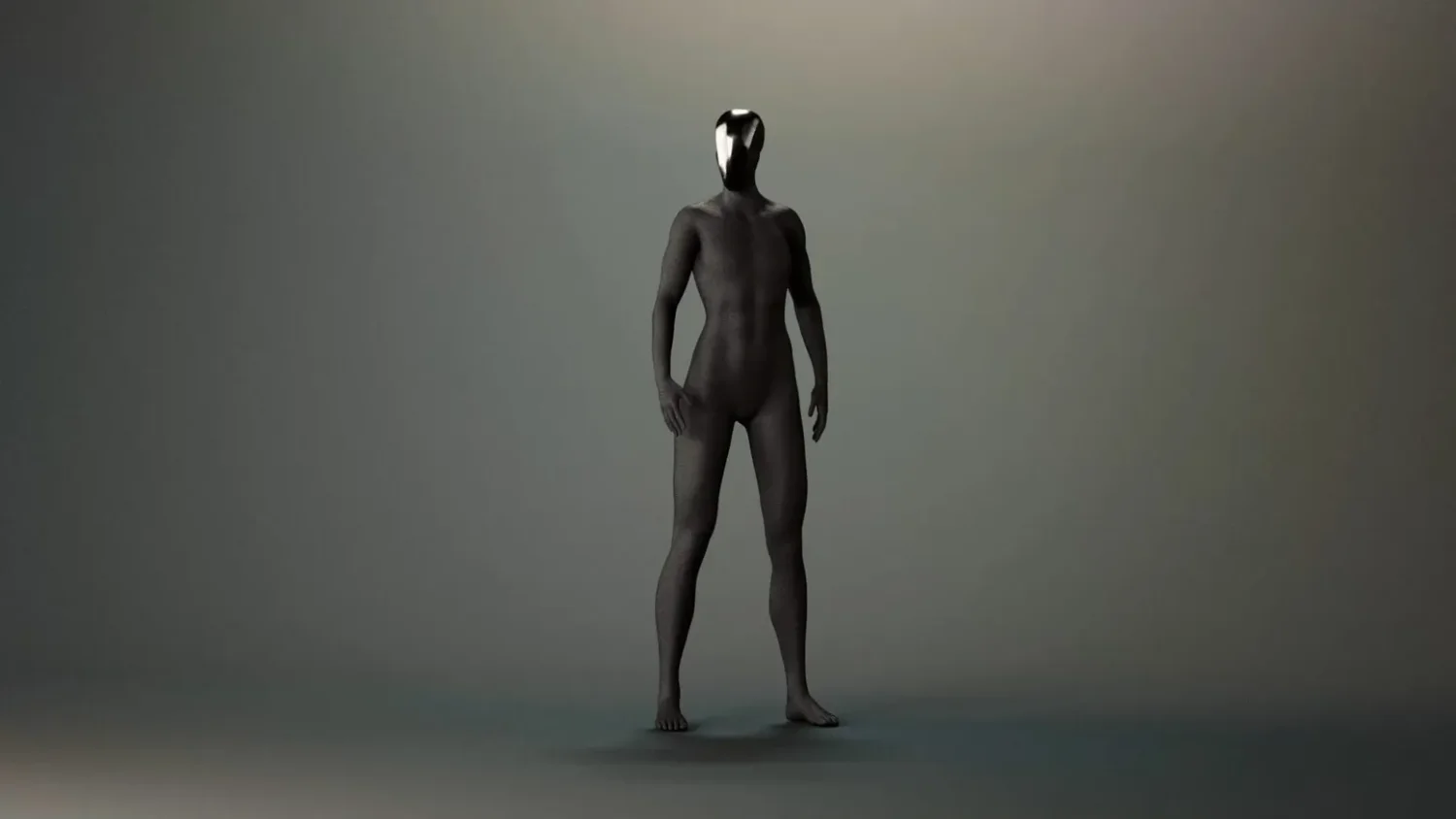
Clone Robotics marks a pivotal advancement in February 2026 trials, scaling Myofiber muscle production to outfit full humanoid skeletons in the Alpha robot. This milestone transforms prototype constraints into viable manufacturing, enabling deployment of biomimetic actuators that contract over 30% in under 50 milliseconds while generating 1 kg of force per 3-gram unit. Engineers demonstrated seamless integration across 164 upper-body degrees of freedom, proving the technology readies for limited-run androids. Such progress disrupts rigid actuator norms, promising smoother, human-like motions in everyday settings.
Muscle Mimicry Mastery
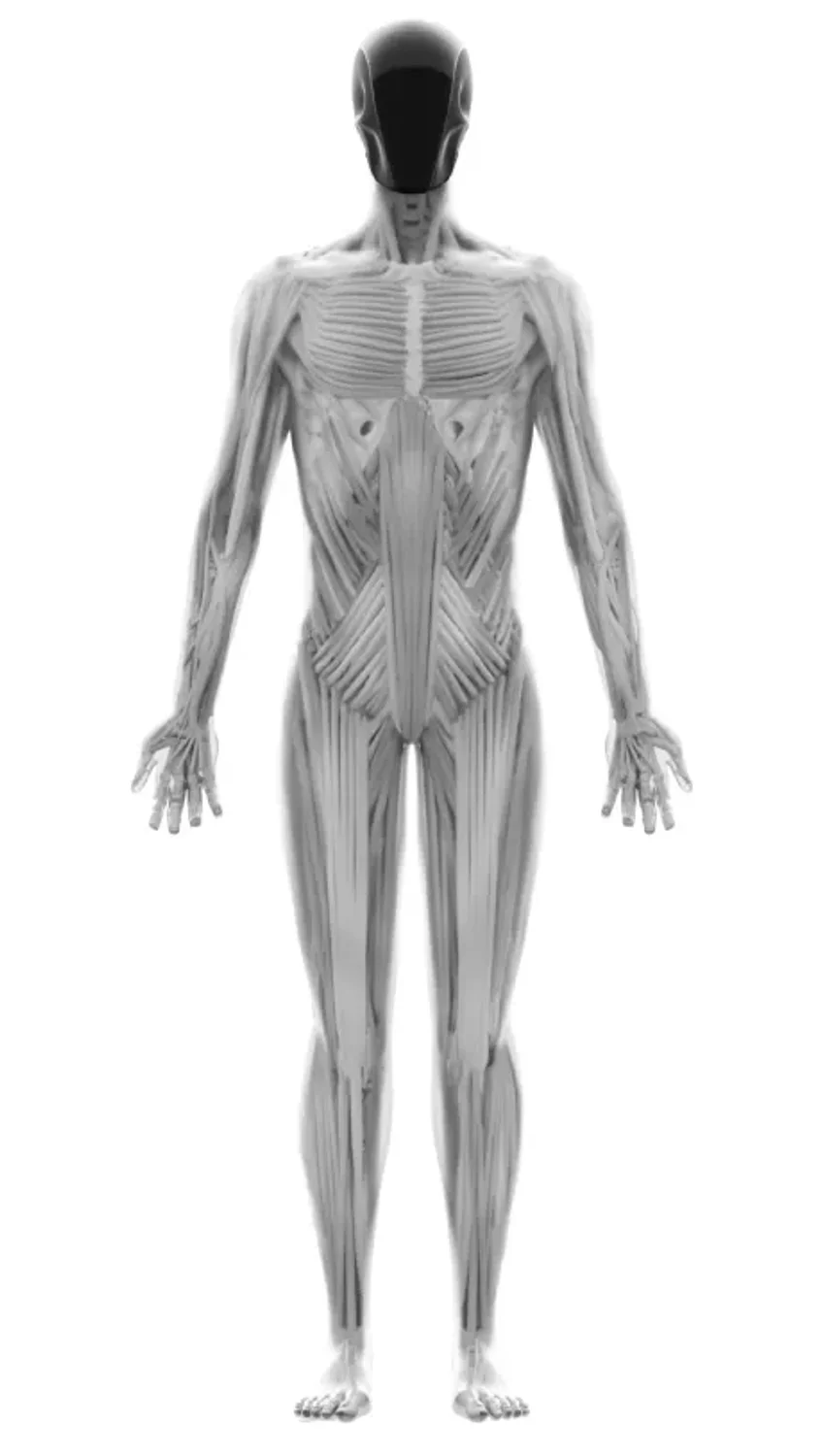
Alpha's Myofiber system redefines actuation by embedding water-powered fibers directly onto a 206-bone polymer skeleton, replicating human anatomy down to shoulder complexes with 20 rotational freedoms. These monolithic musculotendon units eliminate failure-prone tendons, delivering featherweight power that surpasses mammalian muscle benchmarks in speed and efficiency. Powered by a 500-watt hydraulic pump mimicking the human heart, the setup circulates fluid at 40 SLPM under 100 psi, ensuring fluid, vibration-free performance. This innovation achieves human-level finger strength without clunky pneumatics.

Nervous System Precision
Breakthroughs in Clone Alpha's neural architecture fuse 4 depth cameras, 70 inertial sensors, 320 pressure sensors, IMU, gyroscope, and force feedback for pinpoint proprioception and environmental grasp. Aquajet valves, mere 12mm wide, manage flow at 2.28 SLPM per unit with under 1 watt draw, enabling millisecond-responsive control. Running on an NVIDIA Jetson Thor GPU, this setup processes visual and tactile data for natural limb positioning, setting new standards in biomimetic feedback loops that outpace traditional electric motors in adaptability and silence.
Everyday Android Applications
Deployments in recent home trials showcase Alpha folding laundry, wielding tools, and navigating cluttered kitchens, leveraging its bipedal mobility for intuitive human collaboration. Industrial prototypes assist in assembly lines, while research labs prototype collaborative tasks, highlighting seamless transitions from observation to action. Safety layers like emergency stops and obstacle avoidance via LiDAR-SLAM fusion ensure safe proximity, revolutionizing assistance in aging populations and dynamic factories. These demonstrations affirm Myofiber's role in practical, touchable AI companions.
Interaction Skill Framework
Alpha's sensor array empowers dexterous manipulation, with depth cameras and 320 pressure points enabling gentle laundry handling and precise tool grips during extended sessions. Bipedal legs at 170 cm height and 60 kg frame achieve 5 km/h speeds for natural household traversal, while Linux-ROS software fosters adaptive learning in human-robot teamwork. Force sensors and visual odometry detect subtle interactions, supporting prolonged engagements without fatigue, though runtime aligns with recharge cycles for daily duties.
Rivals Edge Analysis
| Robot | Key Advantage | Where Alpha Wins | Target Use |
|---|---|---|---|
| AgiBot A2 | Cost-effective scaling | Superior muscle fluidity | Factory assembly |
| GR-2 | High payload capacity | Anatomical precision | Warehouse logistics |
| Star1 | Rapid deployment speed | Energy-efficient actuation | Home assistance |
| LUS2 | Robust terrain handling | Human-like dexterity | Research collaboration |
Explore Humanoids

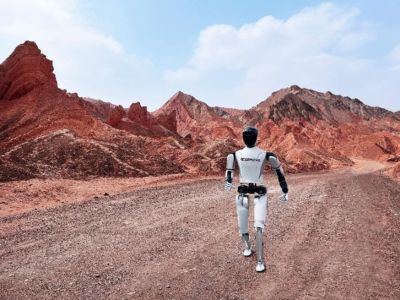
Sources
Related Articles
AGIBOT A2 Performs Tai Chi, Ships 5,100 Units at CES 2026
GR-2 Pre-Orders Open for April 2026 Delivery
K2 Bumblebee Masters Quality Checks at SAIC-GM Plant
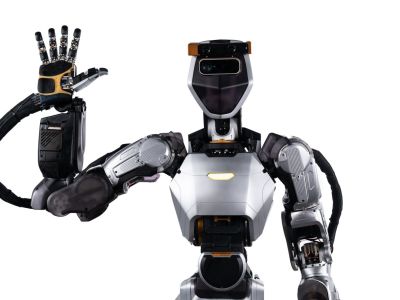
Phoenix Masters New Tasks in 24 Hours at Magna Plants
Related Comparisons
Compare Alpha with similar robots

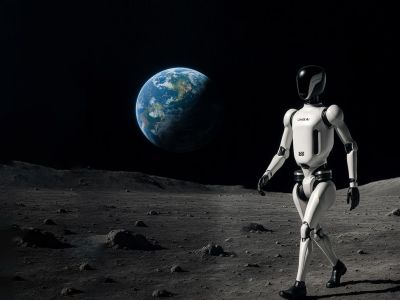
Alpha vs Martian
Alpha or Martian? Compare specs, speed, sensors, navigation, and battery performance.
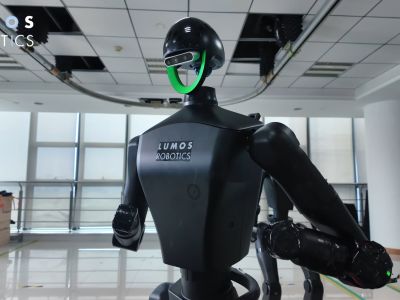
Alpha vs LUS2
Head-to-head: Alpha vs LUS2. Explore differences in navigation, battery, sensors, speed, and software.

Figure 02 vs Alpha
Compare Figure 02 and Alpha. Detailed analysis of sensors, navigation, battery, speed, and AI capabilities.

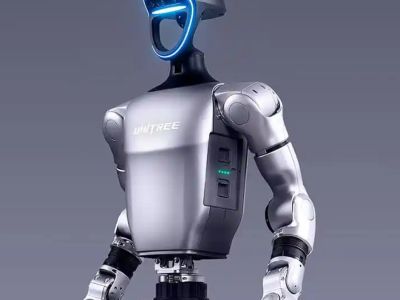
Optimus vs Unitree G1
Compare Optimus vs Unitree G1 for humanoid mobility, dexterity, autonomy, and payload capacity.
Learn More About This Robot
Discover detailed specifications, reviews, and comparisons for Alpha.
View Robot Details →