Fourier GR-1 Humanoid Moves Toward Production with Vision-Based Perception
Robot Details
GR-1 • Fourier IntelligencePublished
April 10, 2026
Reading Time
2 min read
Author
Origin Of Bots Editorial Team
Production Milestone Achieved
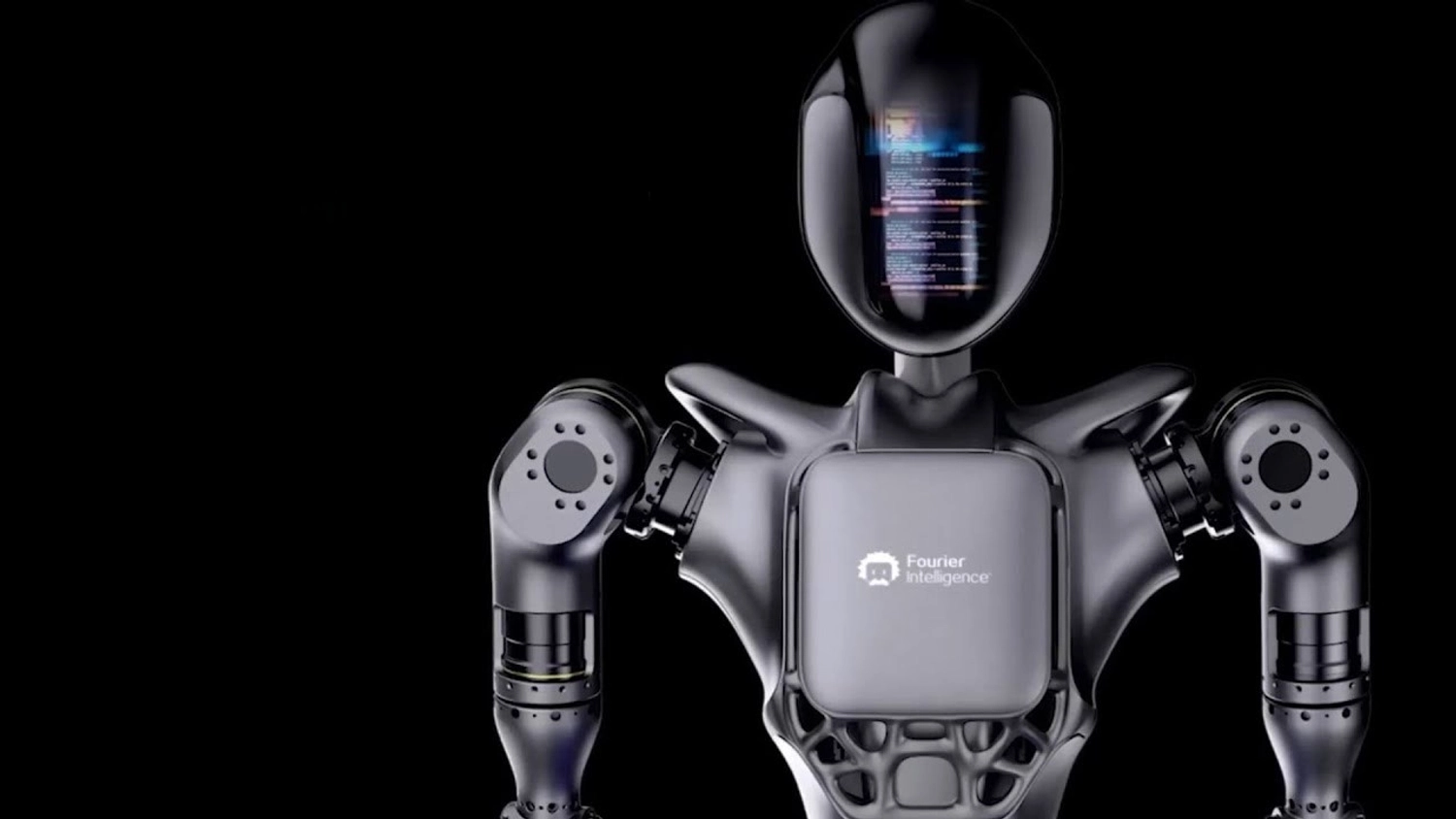
Fourier Intelligence advances its GR-1 humanoid toward full-scale production, pairing large language model integration with context-aware grasping. This step disrupts humanoid robotics by enabling seamless human collaboration in dynamic settings, from rehab clinics to homes, where intuitive manipulation transforms daily assistance into reality.
Grasping Redefined
GR-1's hands, with 6 degrees of freedom per unit, execute nuanced grips on irregular shapes, supported by LLM-driven cognition that aims to anticipate user intent. This capability elevates interaction from rigid programming to fluid partnership, allowing the robot to respond to verbal cues for tasks like passing instruments or steadying elderly users.

Vision Tech Breakthrough
Engineers at Fourier deployed a pure vision system in GR-1, fusing six RGB cameras with bird's-eye-view processing, transformers, and occupancy networks for 360-degree environmental mastery. Outdoor tests in late 2024 proved its prowess, tracking pedestrians and vehicles on sidewalks without lidar dependency, cutting costs while boosting precision. This innovation empowers bipedal navigation over uneven terrain, making GR-1 a pioneer in cost-effective, human-like spatial awareness.
Deployment Horizons Expand
Recent deployments highlight GR-1 in medical rehabilitation via RehabHub, where it guides patients through exercises with gentle support, and in elderly companionship, offering conversational engagement. Industrial inspections benefit from its ability to inspect tight spaces, while embodied AI research labs deploy it for learning complex sequences. These trials, spanning early 2025, point to uses in rehabilitation, companionship and research.

Skill Architecture Summary
GR-1's bipedal frame, measuring 165 x 50 x 40 cm and weighing 55 kg, supports sustained human interactions at speeds up to 5 km/h (1.39 m/s). Six RGB cameras, depth sensors, IMU, gyroscope, and force sensors fuel dexterous manipulation and balanced walking, enabling natural companionship. Visual SLAM navigation via BEV, transformers, and occupancy networks ensures safe people interactions, while force-limiting safety, collision detection, and collaborative modes foster trust. Proprietary OS with ROS2 and Python APIs powers RehabHub rehab, elderly care, AI research, and inspections.

Sources
Related Articles
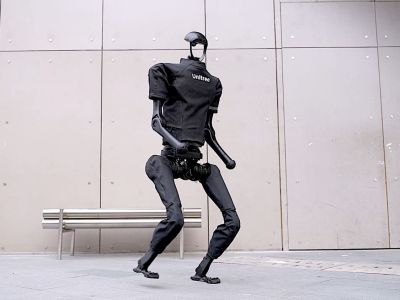
Unitree H1 Completes Airflare with Seven Rotations at Spring Festival Gala
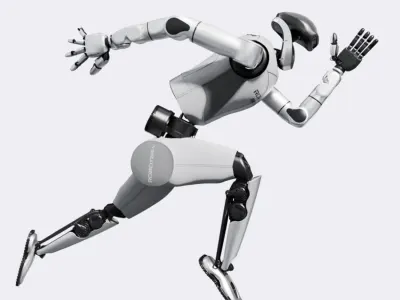
Robotera's L7 Masters 3-Meter Flips, Sword Dances and a recent RMB 1 billion funding boost in March 2026
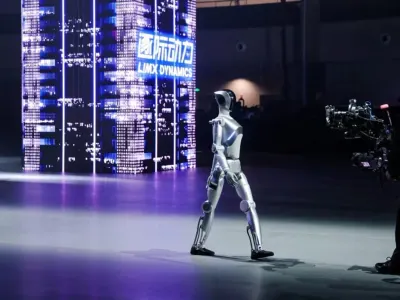
LimX Luna Stuns Taobao Festival with Agile Catwalk, Illusion Turn

1X Accelerates EVE Humanoid Rollout in EQT Factories Through 2030
Related Comparisons
Compare GR-1 with similar robots
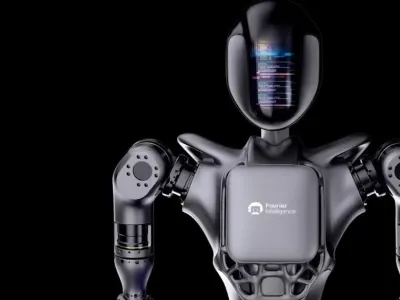
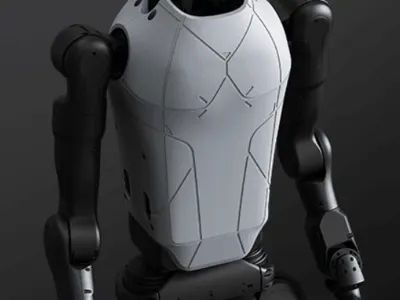
GR-1 vs Unitree H1-2
Head-to-head: GR-1 vs Unitree H1-2 compared on bipedal balance, AI learning, and real-world deployment for research and care.
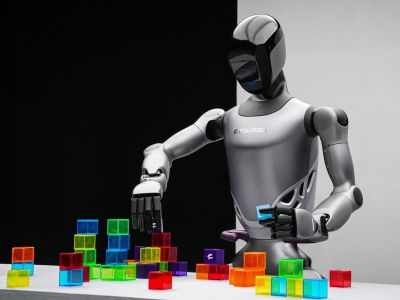
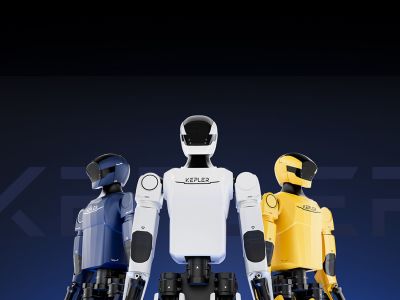
GR-2 vs Forerunner K2
Fourier GR-2 vs Kepler Forerunner K2: payload, battery life, hands and software compared, with a clear pick for labs and for factories.
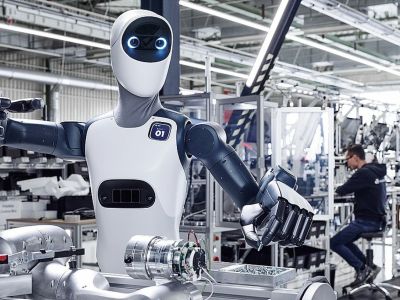
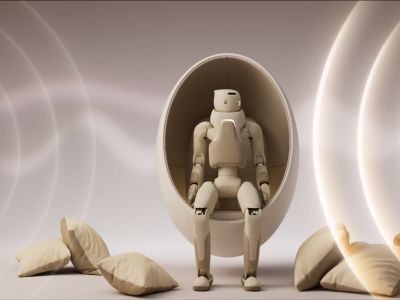
Agile ONE vs GR-3
Agile ONE or GR-3? Compare specs, sensors, navigation, battery, and speed for industrial vs service humanoid performance.
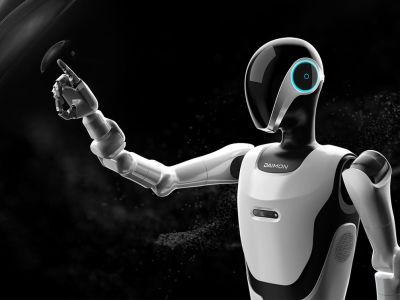
Daimon One vs GR-3
Head-to-head: Daimon One vs GR-3. Explore differences in navigation, sensors, battery, mobility, AI, and software.
Learn More About This Robot
Discover detailed specifications, reviews, and comparisons for GR-1.
View Robot Details →