MagicLab's Gen1 Redefines Factory Robotics with Collaborative Dexterity
Robot Details
MagicBot Gen1 • MagicLabPublished
March 6, 2026
Reading Time
3 min read
Author
Origin Of Bots Editorial Team
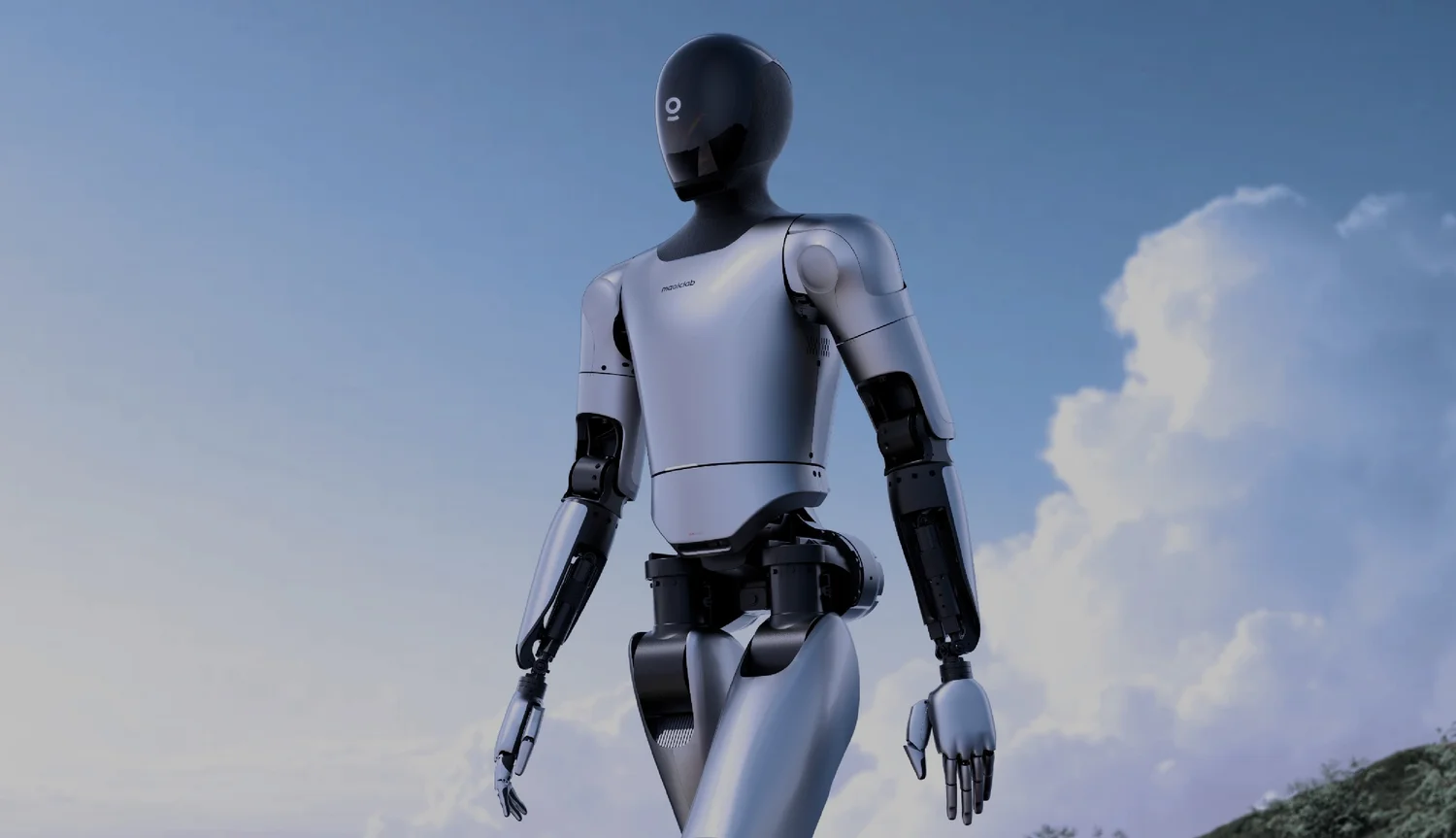
Industrial Collaboration Enters New Era
MagicLab has positioned its MagicBot Gen1 as a transformative force in factory automation, introducing a 42-degree-of-freedom humanoid designed to work seamlessly alongside human teams in complex manufacturing environments. The platform combines bipedal locomotion exceeding 2 m/s with dexterous 11-DOF Magic-Hand grippers capable of handling payloads up to 20 kg, enabling coordinated execution of assembly, pick-and-place, and precision tasks that traditionally required multiple specialized machines. This convergence of mobility, manipulation, and collaborative safety marks a significant shift in how manufacturers approach workforce augmentation and production flexibility.
Dexterity Meets Autonomous Intelligence
The Gen1's standout capability lies in its coordinated whole-body control, powered by proprietary Magic-Mind AI that interprets visual and spatial data to execute multi-step sequences without constant human intervention. Its 360-degree sensor architecture—combining 3D LiDAR, depth cameras, stereo vision, and tactile force sensors—enables the robot to perceive and adapt to dynamic factory floors, cluttered assembly lines, and unstructured environments where rigid automation historically falters. The system's force-limiting technology and collision detection ensure safe proximity to human workers, addressing the critical safety concerns that have historically restricted humanoid deployment in collaborative spaces.
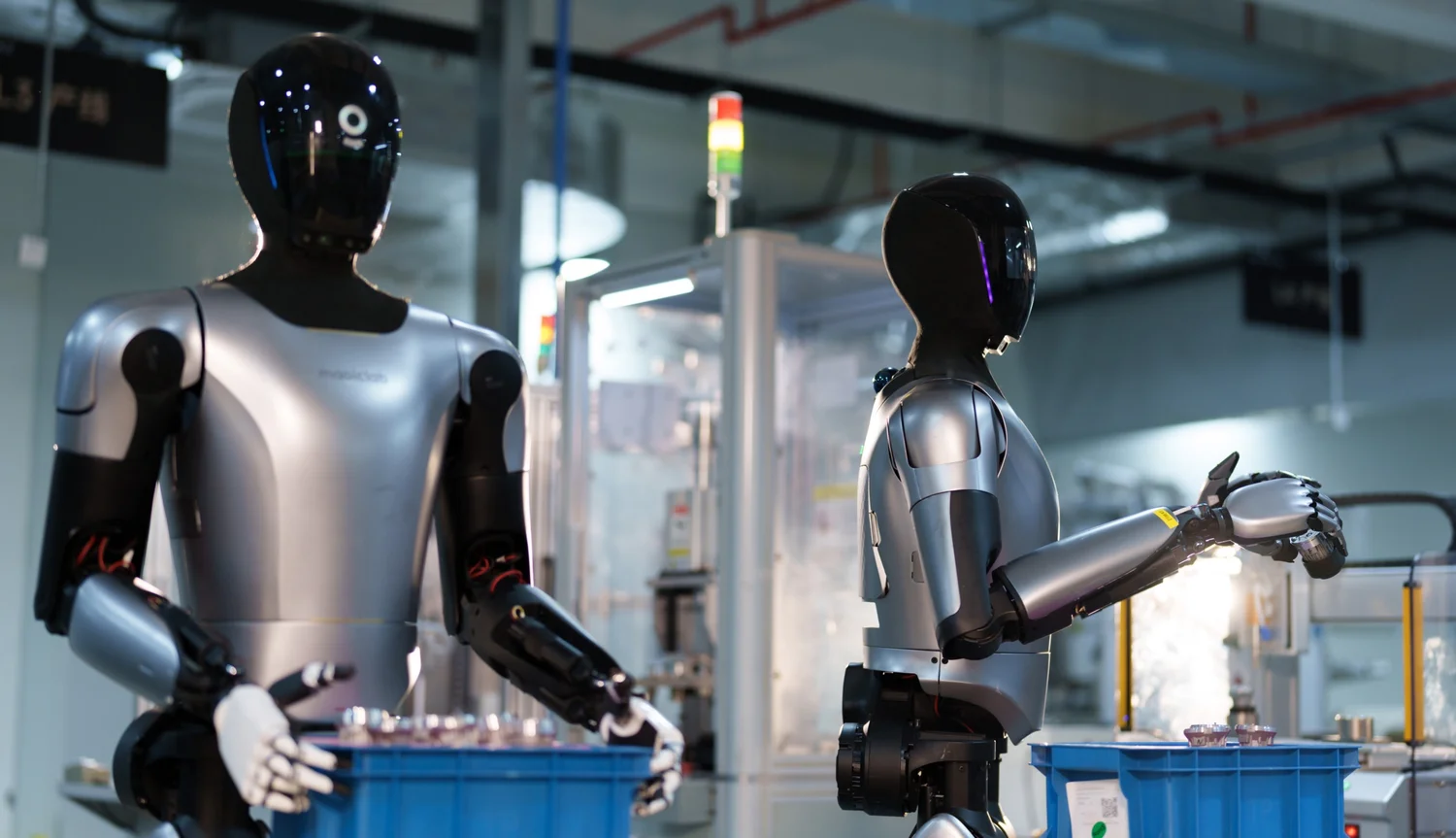
Engineering Precision Under Pressure
Beyond raw specifications, the Gen1's engineering reveals thoughtful design choices that prioritize real-world industrial deployment. High-torque joints exceeding 350 N·m provide the mechanical authority needed to recover from unexpected collisions or resist sudden forces, while the robot's stable straight-knee walking gait eliminates the balance instability that plagues earlier bipedal designs. Integration with MES (Manufacturing Execution Systems) and support for ROS2 and Python APIs means the platform bridges the gap between cutting-edge robotics research and legacy factory infrastructure, allowing manufacturers to deploy Gen1 without wholesale system overhauls.
From Factory Floor to Diverse Deployment
MagicLab targets Gen1 across a deliberately broad spectrum: industrial production facilities, commercial service environments, research institutions, and even home companionship scenarios. The robot's modular architecture and expandable sensor suite allow customization for specific verticals—quality inspection in electronics manufacturing, material handling in logistics, or interactive demonstrations in retail settings. This versatility reflects a strategic departure from single-purpose industrial robots, positioning Gen1 as a platform rather than a point solution.
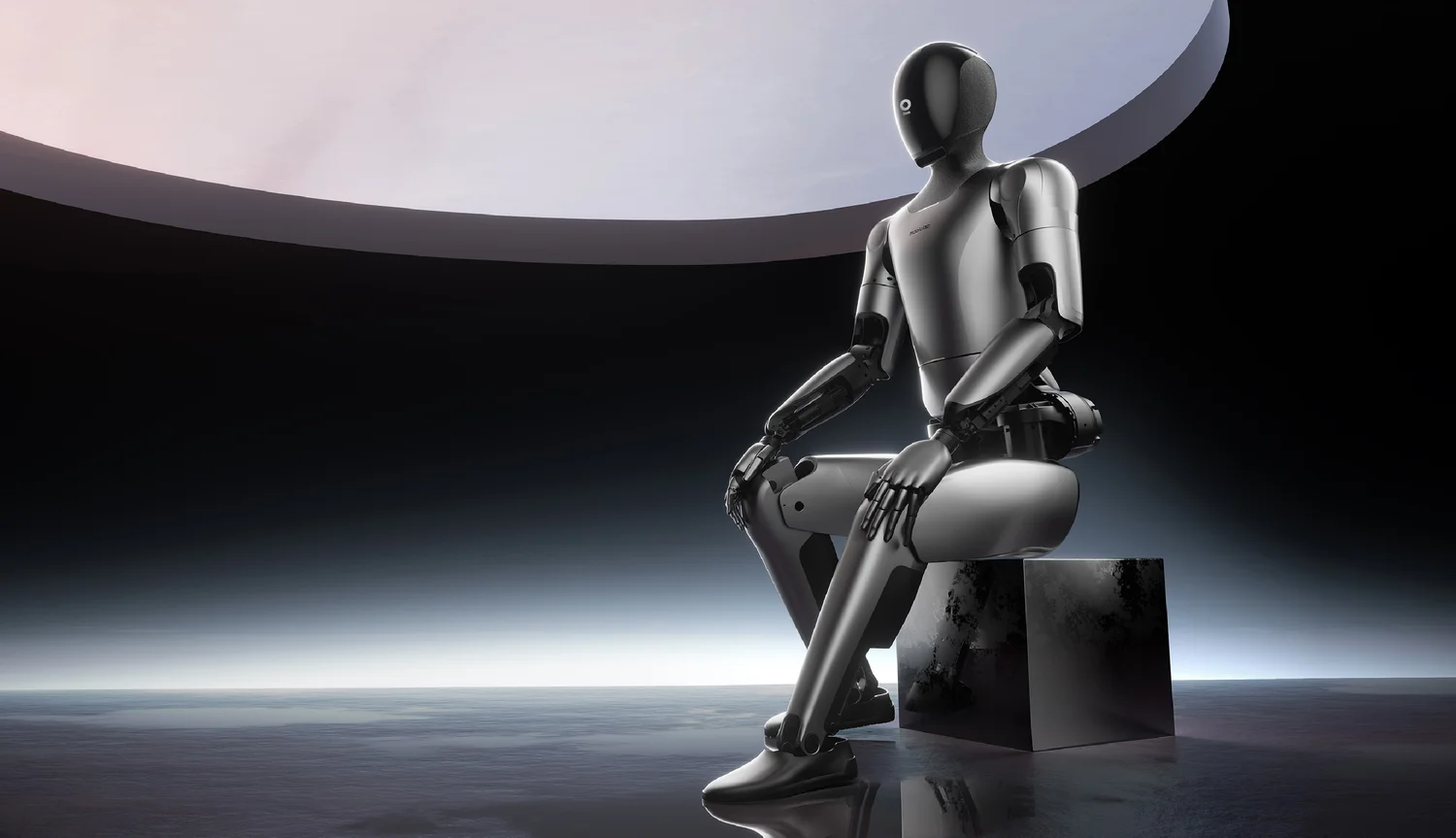
Skill Architecture Breakdown
The Gen1's 174 cm frame houses a carefully balanced skill set anchored by its sensor-motor integration. Its 42 active degrees of freedom enable natural, expressive movement that human collaborators intuitively understand, reducing training overhead and fostering genuine teamwork. The Magic-Hand's 11 independent degrees of freedom translate to genuine dexterity—the ability to grip delicate electronic components, manipulate tools, and execute fine-motor assembly tasks that distinguish collaborative robots from conventional arms. A 1.35 kWh battery supports 4-5 hour operational sessions, sufficient for multi-shift factory deployment, while onboard dual 8-core processors deliver approximately 100 TOPS of AI throughput. The sensor suite—RGB and stereo cameras, depth sensors, 3D LiDAR, IMU, gyroscope, force sensors, and temperature monitoring—enables the robot to perceive not just objects but intent, allowing it to anticipate human movements and adjust its actions accordingly.
Versus Rivals Breakdown
| Robot | Strengths over MagicBot Gen1 | MagicBot Gen1 Advantages | Weaknesses vs. MagicBot Gen1 |
|---|---|---|---|
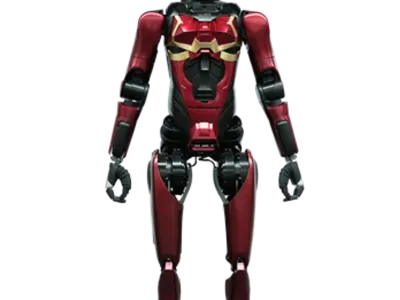
| Martian | Potentially lighter form factor for certain environments | Superior arm dexterity (11-DOF hands), higher joint torque (350+ N·m), proven MES integration | Limited publicly available performance data for direct comparison |
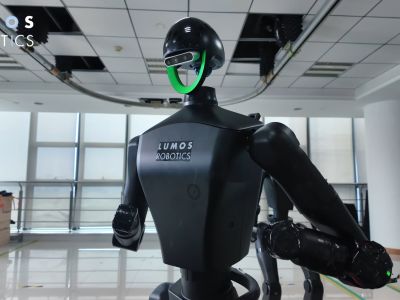
| LUS2 | May offer specialized task optimization in narrow domains | Broader degree-of-freedom architecture (42 DOF), superior collaborative safety features, Magic-Mind AI | Typically single-purpose design vs. Gen1's platform versatility |
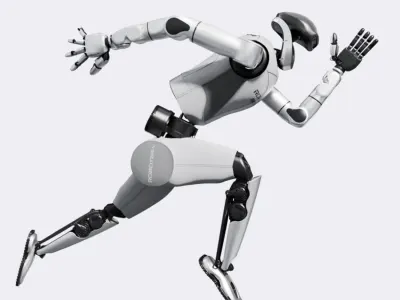
| L7 | Possible cost advantages in price-sensitive markets | Dual-arm coordination, higher payload capacity (20 kg combined), visual SLAM navigation, 5G connectivity | Narrower sensor suite, less emphasis on collaborative safety |
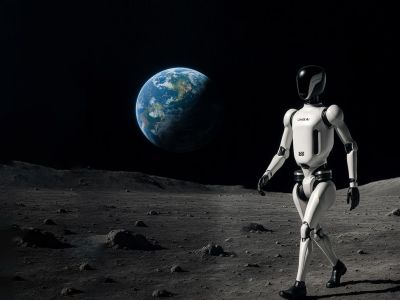
| AgiBot A2 Ultra | May excel in speed-focused tasks requiring rapid cycles | Superior tactile feedback through force sensors, longer operational runtime (3-5 hours), modular upgrade path | Specialized design may limit flexibility across diverse factory scenarios |
Explore Humanoids
Related Articles
Zeroth's Jupiter Humanoid Debuts Amid M1 Launch Buzz
North Masters 30-Step Windmill Assembly at CES 2026
Blue Robin Unveils P-73 Humanoid Breakthrough
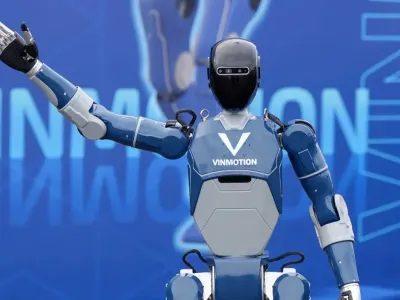
VinMotion Motion 1 Wows Hanoi Leaders, Deploys in VinFast Factories
Related Comparisons
Compare MagicBot Gen1 with similar robots

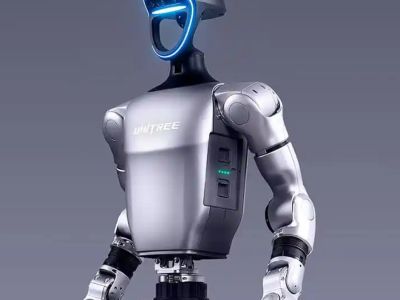
Optimus vs Unitree G1
Compare Optimus vs Unitree G1 for humanoid mobility, dexterity, autonomy, and payload capacity.
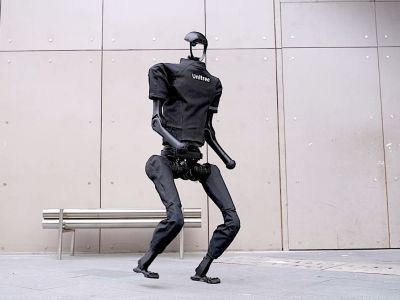
Unitree G1 vs Unitree H1
Head-to-head: Unitree G1 vs Unitree H1 compared on bipedal balance, AI learning, and real-world deployment.
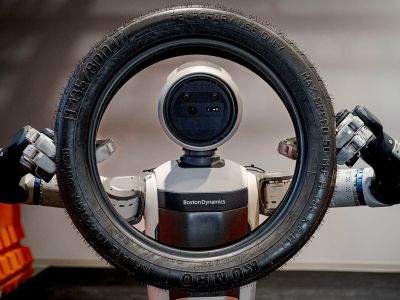
Optimus vs Atlas (Electric 2025)
In-depth comparison of Optimus and Atlas (Electric Atlas, 2025), covering hardware capabilities, teleoperation, and enterprise readiness.
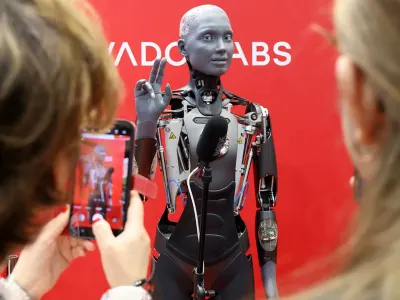

Ameca vs Moya
Which humanoid robot is better? Ameca vs Moya compared for dexterity, AI capabilities, and price.
Learn More About This Robot
Discover detailed specifications, reviews, and comparisons for MagicBot Gen1.
View Robot Details →