RoboForce's TITAN Secures 11,000 Orders as NVIDIA Spotlight Accelerates Physical AI Adoption
Robot Details
TITAN • RoboForcePublished
January 24, 2026
Reading Time
3 min read
Author
Origin Of Bots Editorial Team
Industrial robotics reaches inflection point
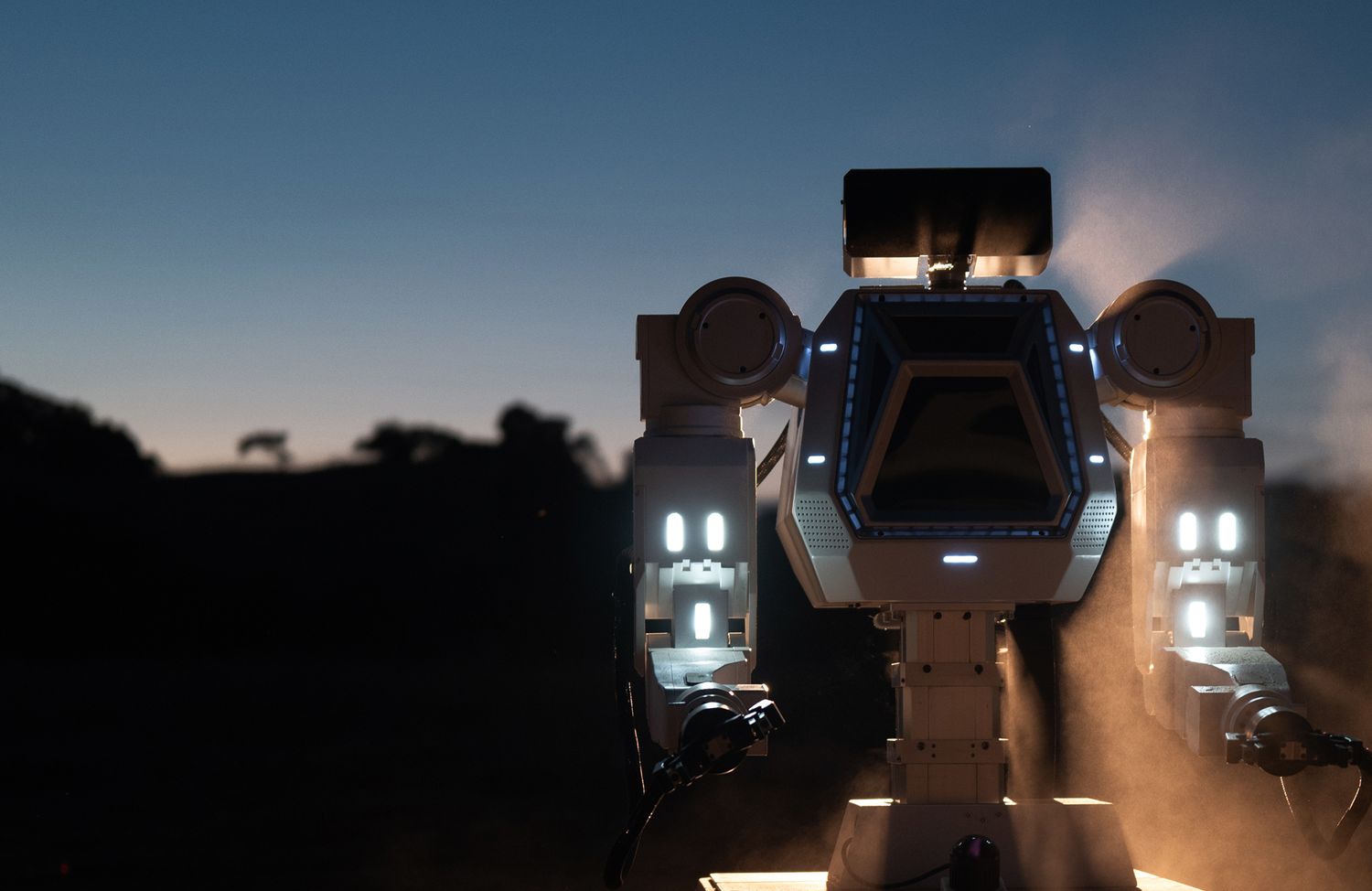
RoboForce has achieved a significant milestone in the race to deploy autonomous industrial labor, securing over 11,000 robot orders through letters of intent as the company transitions from research and development into commercial production. The achievement gained prominence when NVIDIA CEO Jensen Huang highlighted TITAN during his GTC keynote address, positioning the humanoid robot as a breakthrough in Physical AI. With pilot deployments already active in the energy sector and expansions underway across data centers, shipping, logistics, mining, and manufacturing, TITAN represents the first credible pathway toward scaling autonomous workforce solutions across multiple industries simultaneously.
Dual-arm precision meets industrial scale
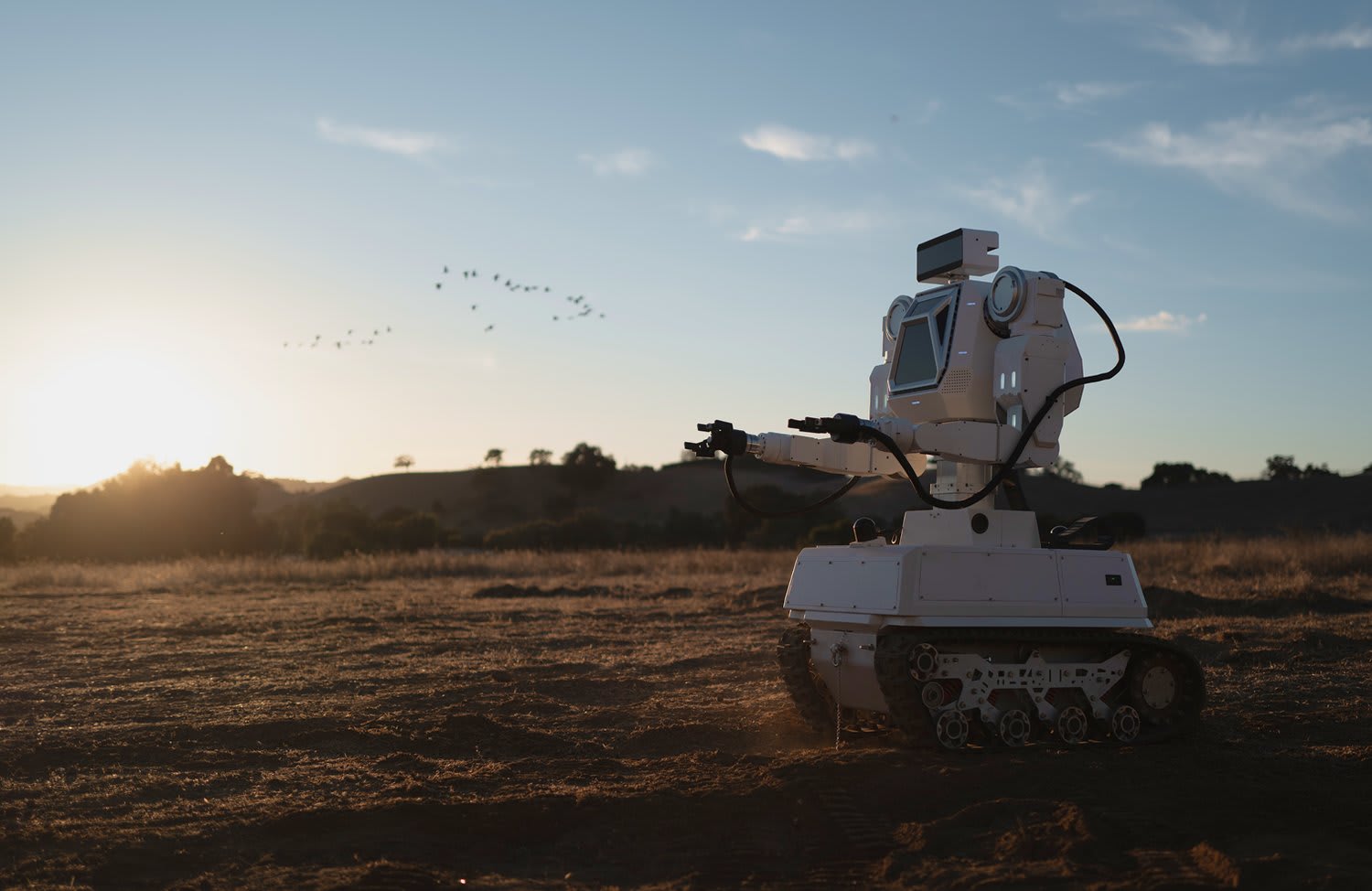
TITAN distinguishes itself through an engineering philosophy that marries raw industrial capability with fine-grained manipulation precision. The robot's dual-arm architecture delivers a 40 kg payload while maintaining 1 mm accuracy, enabling it to both hoist heavy components and perform delicate assembly operations without requiring separate machines. Its 1,100 mm reach extends across expansive work surfaces, while modular hardware supports both wheeled and tracked mobility configurations. This flexibility allows TITAN to transition seamlessly from warehouse floors to mining sites to solar installations, adapting its locomotion strategy to terrain demands in real time.
AI foundation unlocks unstructured environments
The technological breakthrough powering TITAN centers on RF-Net, RoboForce's proprietary 3D foundation model that enables the robot to navigate and manipulate objects in unpredictable outdoor settings where traditional industrial automation fails. Unlike factory robots confined to scripted sequences on predetermined pathways, TITAN's Physical AI architecture combines hardware and software co-design to achieve robust spatial understanding and autonomous decision-making across complex, unstructured layouts. This capability represents a fundamental shift from controlled manufacturing environments to real-world industrial conditions where variables constantly shift, obstacles emerge unpredictably, and tasks require adaptive reasoning rather than rigid programming.
Five core operations drive labor transformation
TITAN's practical deployment focuses on automating five fundamental industrial primitives: pick, place, press, twist, and connect. These operations form the foundation of countless repetitive, physically demanding tasks across heavy industry. In utility-scale solar installations, TITAN lifts and positions heavy panel components while maintaining precision alignment. Mining operations leverage its strength and endurance to extract ore samples in hazardous underground environments. Manufacturing and logistics facilities deploy TITAN for relentless material handling that reduces human injury risk while maintaining production velocity through full eight-hour shifts without fatigue-related performance degradation.
Skill architecture enables sustained autonomy
TITAN's technical foundation reflects a humanoid design optimized for dexterous interaction within human-scaled environments. The robot stands 210 cm tall with a compact 180 x 65 x 70 cm footprint, weighing approximately 120 kg, enabling navigation through standard industrial doorways and workspaces. Its sensor array combines RGB and stereo cameras with LiDAR, ultrasonic sensors, IMU, gyroscope, and force/torque sensors embedded in the arms, creating the perceptual bandwidth necessary for understanding complex scenes and responding to physical resistance during manipulation. An eight-hour runtime on a single charge supports continuous production shifts, while collaborative safety features including force limiting, collision detection, and emergency stop protocols enable TITAN to operate safely adjacent to human workers when tasks require shared workspace coordination.
Versus Rivals Breakdown
| Robot | Strengths over TITAN | TITAN Advantages | Weaknesses vs. TITAN |
|---|---|---|---|
| MH2 | Potentially lighter weight for certain applications | Superior dual-arm payload capacity and outdoor autonomy | Limited unstructured environment capability |
| MH3 | Specialized for controlled factory environments | 8-hour runtime and modular terrain adaptability | Confined to predictable, scripted tasks |
| Mornine | Compact design for space-constrained settings | Millimeter precision with heavy lifting simultaneously | Reduced workspace reach and flexibility |
| Dex | Advanced hand dexterity for fine assembly | Industrial-grade robustness and proven field deployments | Limited payload and outdoor terrain navigation |
Explore Humanoids
Related Articles
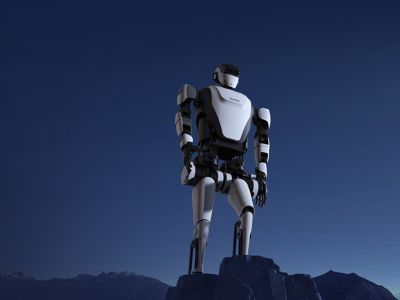
Leju's KUAVO-MY Ignites Torch Relay at National Games
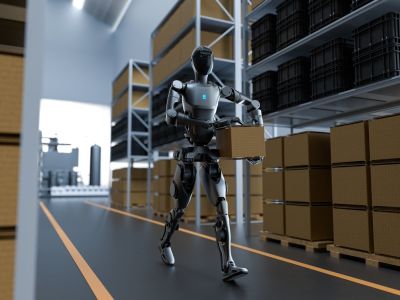
Pudu D9 Humanoid Flexes 352Nm Torque, 20kg Payload
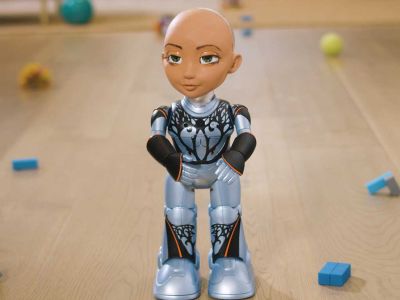
Little Sophia Redefines Educational Robotics for Young Learners
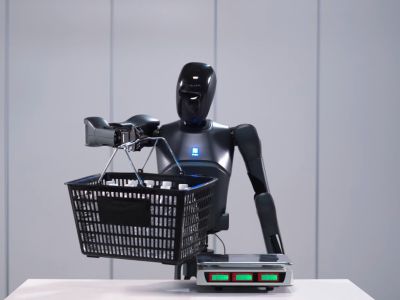
Semi-Humanoid D7 Achieves Full Commercialization Milestone 2025
Related Comparisons
Compare TITAN with similar robots
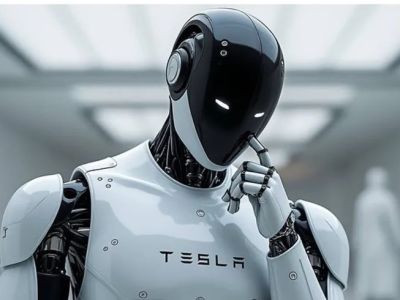
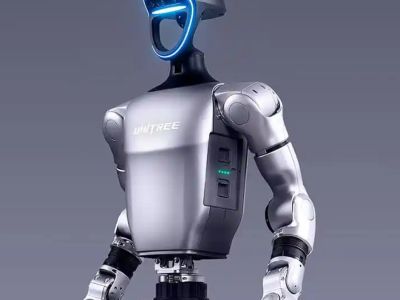
Optimus vs Unitree G1
Compare Optimus vs Unitree G1 for humanoid mobility, dexterity, autonomy, and payload capacity.
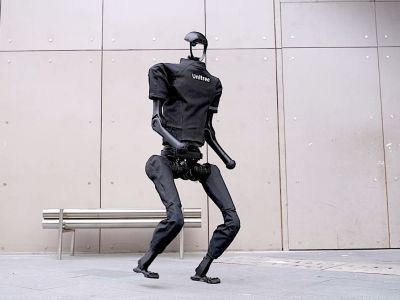
Unitree G1 vs Unitree H1
Head-to-head: Unitree G1 vs Unitree H1 compared on bipedal balance, AI learning, and real-world deployment.
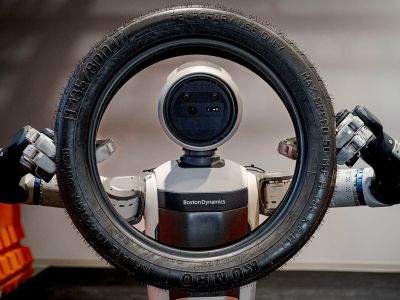
Optimus vs Atlas (Electric 2025)
In-depth comparison of Optimus and Atlas (Electric Atlas, 2025), covering hardware capabilities, teleoperation, and enterprise readiness.
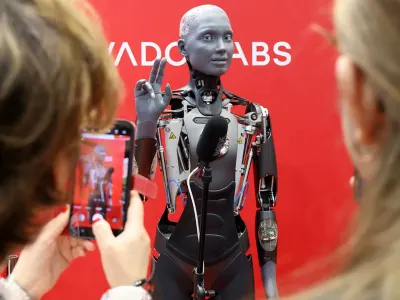

Ameca vs Moya
Which humanoid robot is better? Ameca vs Moya compared for dexterity, AI capabilities, and price.
Learn More About This Robot
Discover detailed specifications, reviews, and comparisons for TITAN.
View Robot Details →