XPENG Convenes First Robotics Supply Chain Partner Conference, Signing Production Designation Agreements for Humanoid Hardware
Robot Details
Next‑Gen IRON • XPENGPublished
September 23, 2026
Reading Time
4 min read
Author
Origin Of Bots Editorial Team
Convening Tier-One Supply Chain Partners in Guangzhou
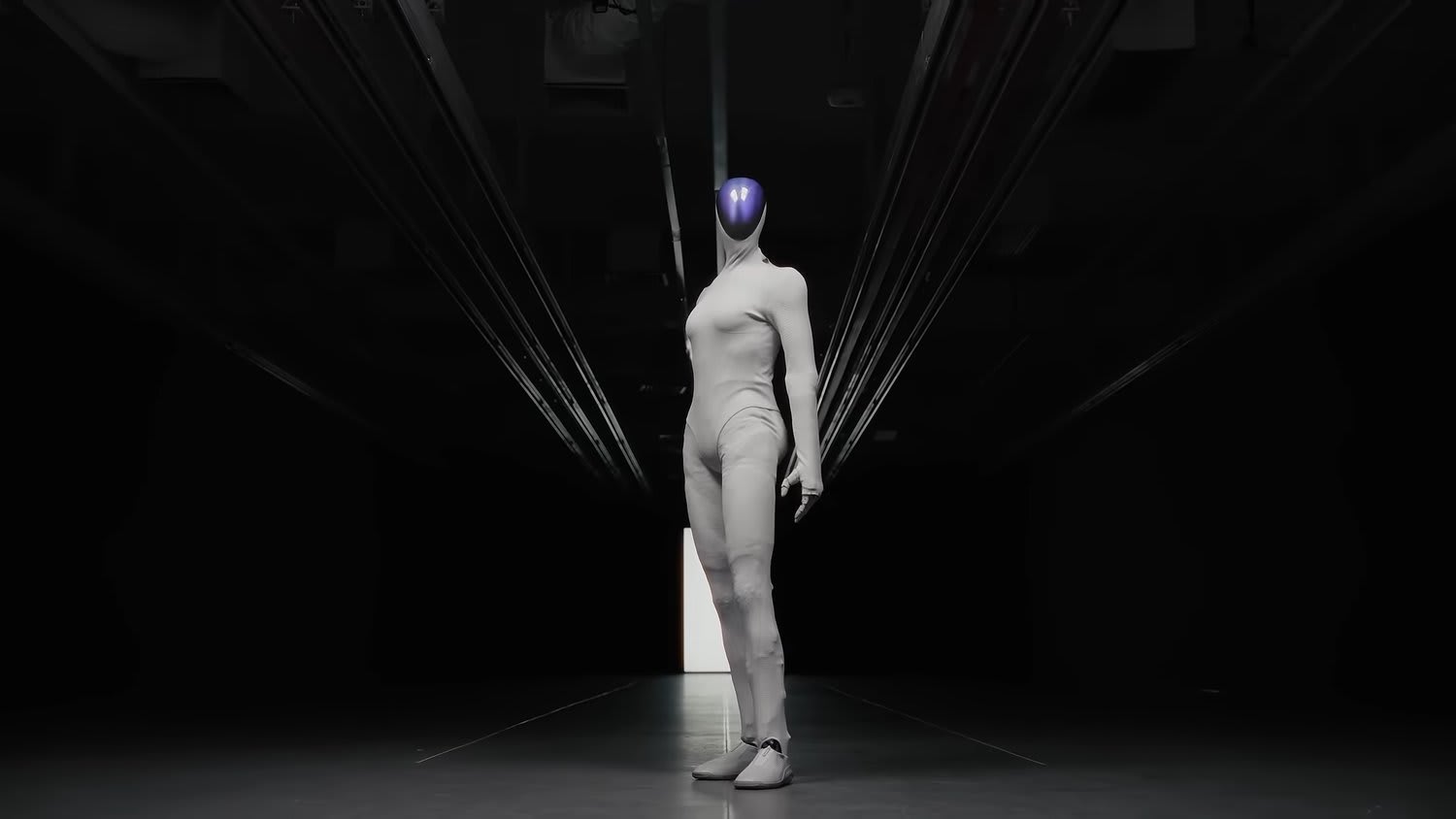
Electric vehicle and physical artificial intelligence pioneer XPENG hosted its inaugural Robotics Supply Chain Partner Conference in Guangzhou. The landmark summit brought together leading tier-one manufacturing executives specializing in core mechatronic subassemblies. Delegates represented specialized industrial leaders across harmonic drive reducers, frameless torque motors, hollow-cup actuators, and precision structural castings.
The convening marks an essential operational transition from experimental prototyping toward synchronized, high-volume industrial manufacturing. XPENG officially executed formal supplier designation agreements across critical component categories, securing production allocations for its manufacturing lines. Establishing binding industrial commitments ensures that upstream component supply keeps pace with aggressive factory tooling schedules.
Evolving from Locomotion to Natural Human Interaction
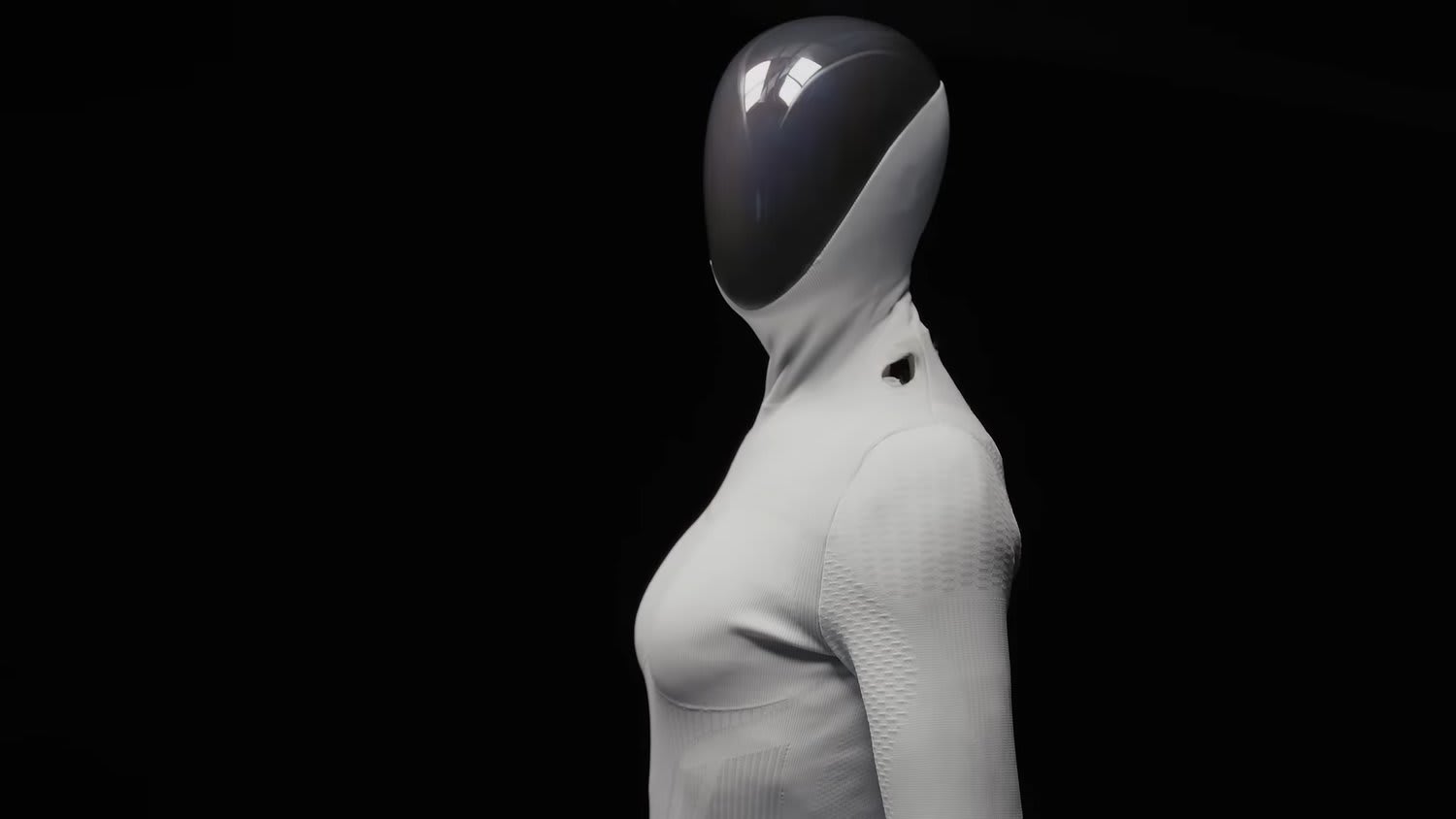
Building directly upon the recent automated walk-off milestone of its IRON biped, XPENG showcased significant leaps in cognitive interaction. Engineers demonstrated IRON's upgraded abilities in autonomous body orientation, dynamic target tracking, and seamless multi-speaker conversational following. The humanoid fluidly shifted between English, Mandarin, and regional dialects in real time without cognitive hesitation or acoustic feedback jitter.
Underpinning these interactive skills is an onboard multi-dimensional memory system that catalogs individual faces, conversational context, and workplace preferences. Rather than merely reciting scripted corporate answers, the robot analyzed ambiguous visitor queries and generated context-aware contextual explanations. XPENG executives emphasized that achieving fluid human-machine interaction is just as vital as physical balance for commercial workplace integration.
Automotive Supply Chain Synergies and Strict Quality Benchmarks
Supply chain partners attending the summit acknowledged that commercial humanoid robotics requires manufacturing tolerances far exceeding laboratory standards. Actuators and joint bearings must endure millions of continuous dynamic cycles while maintaining micro-radian precision and minimal thermal dissipation. XPENG is leveraging its extensive automotive supply network to enforce stringent automotive-grade quality verification across all robotic subassemblies.
Suppliers praised XPENG's ability to drive down component bills-of-materials by sharing volume tooling costs with its smart electric vehicle lines. Joint development of lightweight aluminum alloys and motor laminations generates immense cost efficiencies that pure-play robotics startups cannot achieve. This cross-industry synergy provides XPENG with an enduring economic moat as competitors struggle with high low-volume prototyping expenses.
CEO He Xiaopeng: Rejecting Teleoperation for True Scenario Autonomy
During his keynote address, XPENG Chairman and Chief Executive Officer He Xiaopeng articulated an uncompromising technological philosophy for the robotics unit. He explicitly rejected the widespread industry practice of relying on hidden remote-control teleoperation systems to create marketing illusions of autonomy. Xiaopeng declared that XPENG is focused exclusively on creating general-purpose humanoids that perceive, reason, and act through autonomous foundation models.
He underscored that building physical robotics systems is substantially more complex and capital-intensive than developing passenger automobiles. Robots must navigate unstructured three-dimensional environments, handle delicate unknown materials, and operate safely among unpredictable humans. Xiaopeng urged supply chain partners to maintain long-term capital patience, emphasizing that foundational breakthroughs require persistent mutual investment.
Onboard Turing AI Silicon: High-Density Physical Intelligence
At the technical core of IRON’s cognitive progression is XPENG’s proprietary Turing artificial intelligence compute platform. The bipedal robot integrates three interconnected Turing AI chips delivering up to 2,250 TOPS of edge computing performance directly within its torso. This massive onboard processing capacity allows the robot to run multi-modal Physical AI foundation models locally without external cloud connectivity.
Processing high-bandwidth spatial video streams, acoustic beamforming arrays, and fingertip tactile sensors locally eliminates network latency vulnerabilities. IRON can calculate dynamic center-of-mass shifts, generate obstacle avoidance paths, and adjust grip pressure within single-digit milliseconds. Decoupling operational intelligence from cloud servers guarantees robust workplace safety and continuous uptime in shielded enterprise environments.
Phased Enterprise Rollout Across Corporate Campuses and Retail Stores
XPENG outlined a disciplined multi-stage deployment roadmap designed to validate reliability under active commercial operating conditions. Initial production units rolling off the newly automated manufacturing line will be stationed inside XPENG's high-traffic retail stores and corporate offices. The humanoids will handle customer reception, interactive product demonstrations, internal mail cartage, and autonomous nocturnal security patrols.
Deploying robots across captive corporate real estate creates a continuous operational feedback loop exposed to diverse public interactions. Engineering teams can monitor actuator wear, battery discharge profiles, and visual recognition drift under real-world operating loads. This structured captive validation ensures that hardware vulnerabilities and software edge cases are resolved before public commercial shipments begin.
The Strategic Path Toward Mass-Market Delivery in 2027
XPENG confirmed that following internal commercial trials, full-scale market delivery for enterprise clients in China and global markets will commence in 2027. The company aims to achieve a production cadence of 1,000 IRON humanoids per month by the end of 2026, supported by Dogotix's $900M capital infusion. Establishing serialized manufacturing infrastructure firmly positions XPENG as a frontrunner in the emerging trillion-dollar embodied AI economy.
The Guangzhou supply chain conference marks the decisive industrial mobilization of China's premier advanced automotive ecosystem behind humanoid hardware. By binding upstream component leaders to shared production milestones, XPENG is turning theoretical robotics concepts into scalable industrial hardware. The era of hand-assembled research robots is drawing to a close, replaced by serialized assembly lines poised to reshape global labor.
Explore Humanoids
Sources
Related Articles
Figure AI Introduces Helix 2.5: Demonstrating the First Zero-Shot Whole-Body Humanoid Autonomy Across 30 Unseen Homes

XPENG Robotics Unveils XPACE: Simulation Platform Training IRON Humanoids via Video Prediction and Synthetic Failure Recovery
Tesla AI VP Ashok Elluswamy Delivers Candid Reality Check on Optimus Remote Control and Physical Safety Stakes
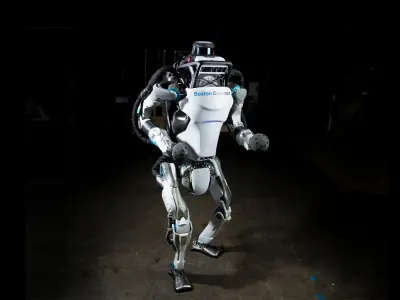
Boston Dynamics Opens Robotics Metaplant Application Center to Train Atlas Humanoid Fleet for Hyundai Manufacturing
Related Comparisons
Compare Next‑Gen IRON with similar robots
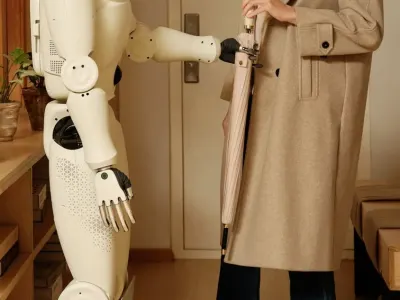
Next‑Gen IRON vs Jupiter
Which humanoid robot is better? Next-Gen IRON vs Jupiter compared for dexterity, AI autonomy, payload, and industrial use cases.
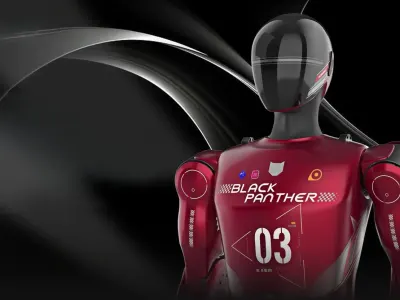
Next‑Gen IRON vs Bolt
Compare Next-Gen IRON vs Bolt for humanoid mobility, dexterity, autonomy, and payload capacity in industrial and dynamic use cases.
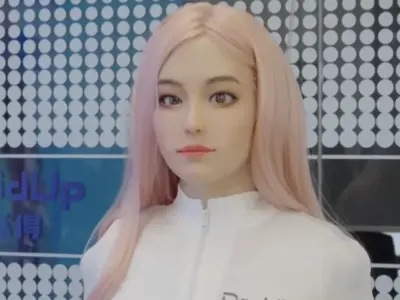
Next‑Gen IRON vs Moya
In-depth comparison of Next-Gen IRON by XPENG and Moya by DroidUp, covering hardware capabilities, teleoperation, and enterprise readiness.
L7 vs Next‑Gen IRON
Head-to-head: L7 vs Next-Gen IRON. Explore differences in speed, sensors, navigation, and AI capabilities.
Learn More About This Robot
Discover detailed specifications, reviews, and comparisons for Next‑Gen IRON.
View Robot Details →