Figure AI Introduces Helix 2.5: Demonstrating the First Zero-Shot Whole-Body Humanoid Autonomy Across 30 Unseen Homes
Robot Details
Figure 02 • Figure AIPublished
September 17, 2026
Reading Time
5 min read
Author
Origin Of Bots Editorial Team
Conquering the Domestic Generalization Frontier
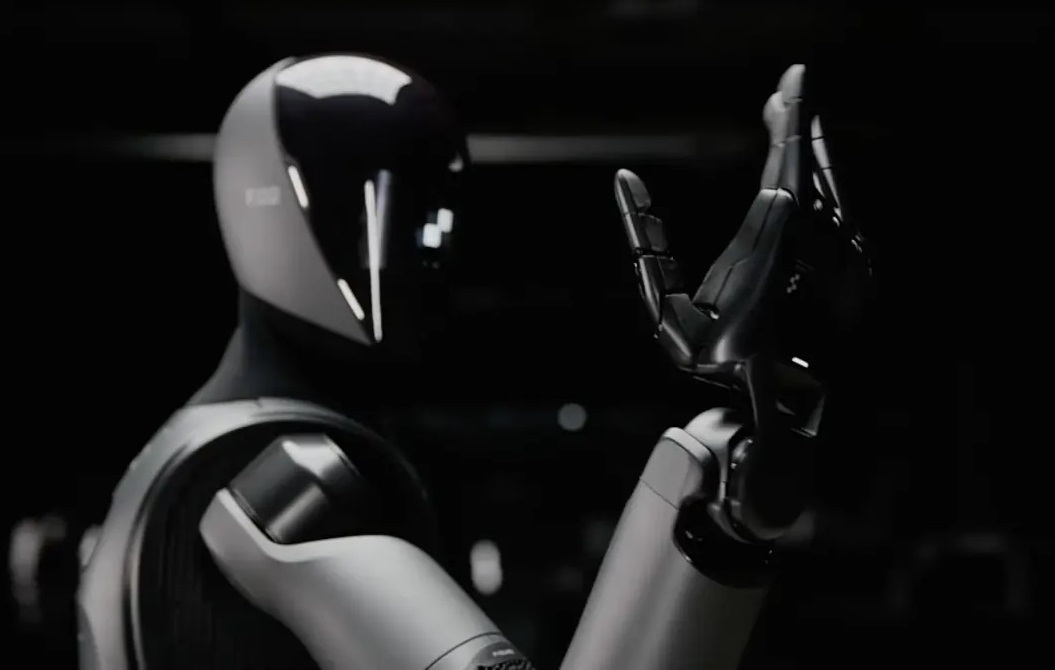
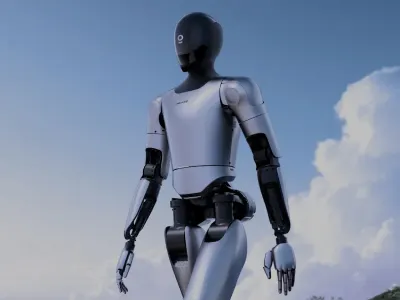
Figure AI officially unveiled Helix 2.5, representing the most advanced neural network architecture the humanoid robotics company has engineered to date. The breakthrough tackles robotics' most stubborn commercial challenge: enabling a bipedal machine to enter completely unfamiliar residential environments and immediately execute useful work. While biological humans effortlessly transfer spatial knowledge between homes, existing autonomous robots have historically required tedious, facility-by-facility manual training.
Helix 2.5 shatters this spatial constraint by proving that whole-body physical intelligence can generalize zero-shot across diverse domestic layouts. Without collecting prior environmental telemetry or performing site-specific calibration, the model coordinates whole-body bipedal locomotion, torso posture, and bimanual manipulation. This capability transforms the humanoid from a brittle, laboratory-confined demonstrator into an adaptable physical assistant ready for dynamic residential living.
Powered by Index: The Planetary Physical Behavior Engine
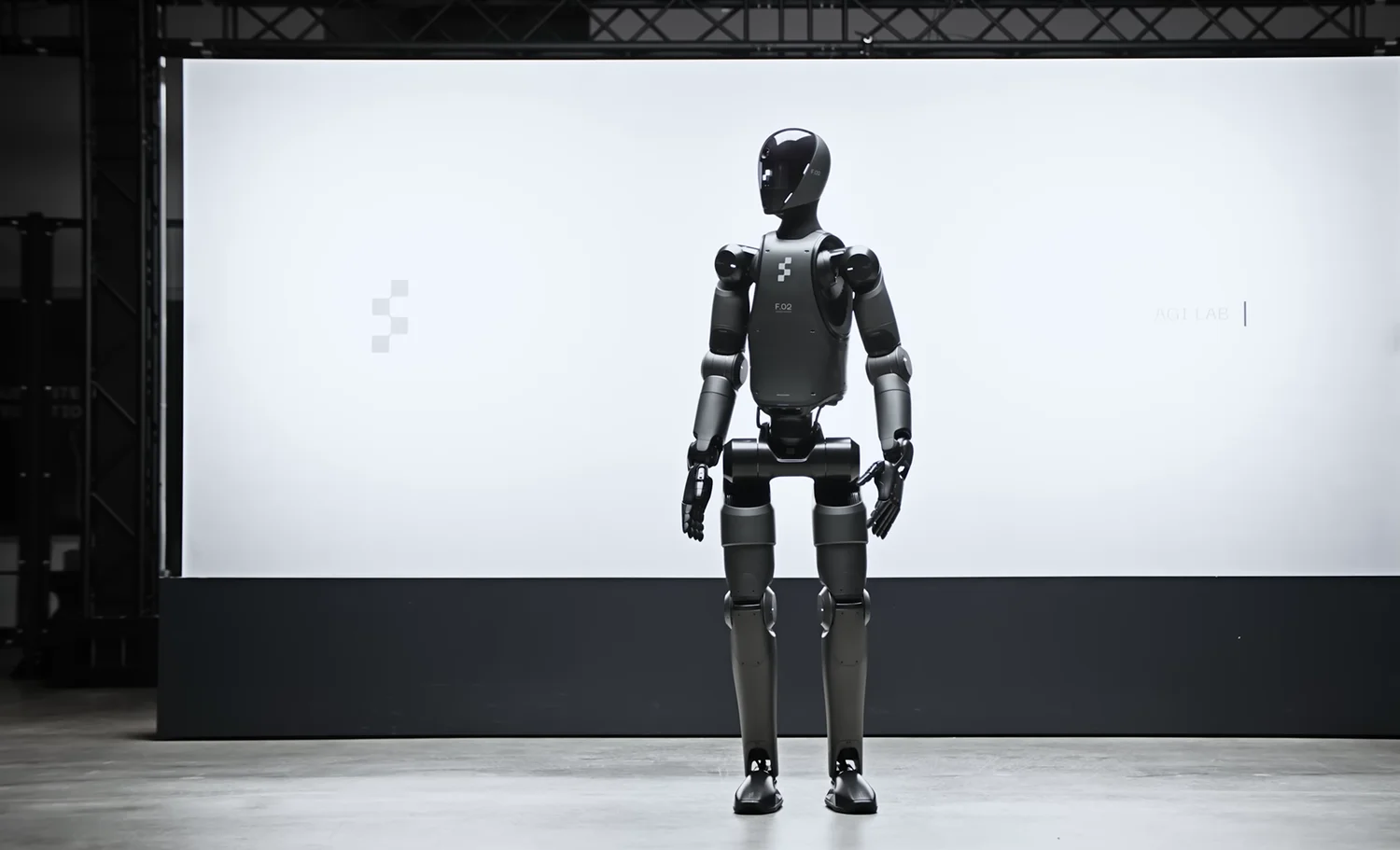
The foundation enabling Helix 2.5’s remarkable spatial versatility is Index, Figure’s proprietary planetary-scale dataset of real-world human behavior. Harvested by hundreds of thousands of contributors across more than one hundred countries, Index captures continuous egocentric video and physical interaction traces. The dataset expands continuously, ingesting approximately thirty-five minutes of diverse human physical experiences during every single elapsed real-world second.
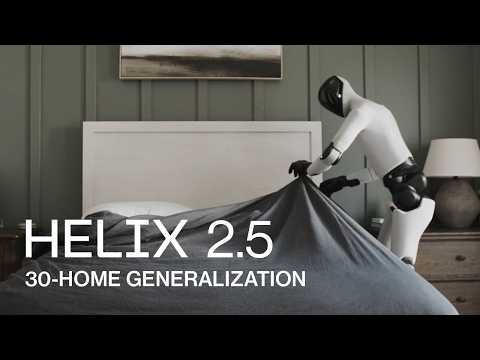
Raw human capture feeds pass through an intensive five-stage curation pipeline comprising automated quality filtering, fraud verification, deduplication, rebalancing, and semantic annotation. This multi-tiered refining process distills millions of hours of everyday human movements into clean, high-density physical foundation tokens. By training directly on the collective kinetic repertoire of humanity, Helix learns intuitive common-sense understandings of how physical objects behave under force.
The 30-Home Zero-Shot Proving Ground in the Bay Area
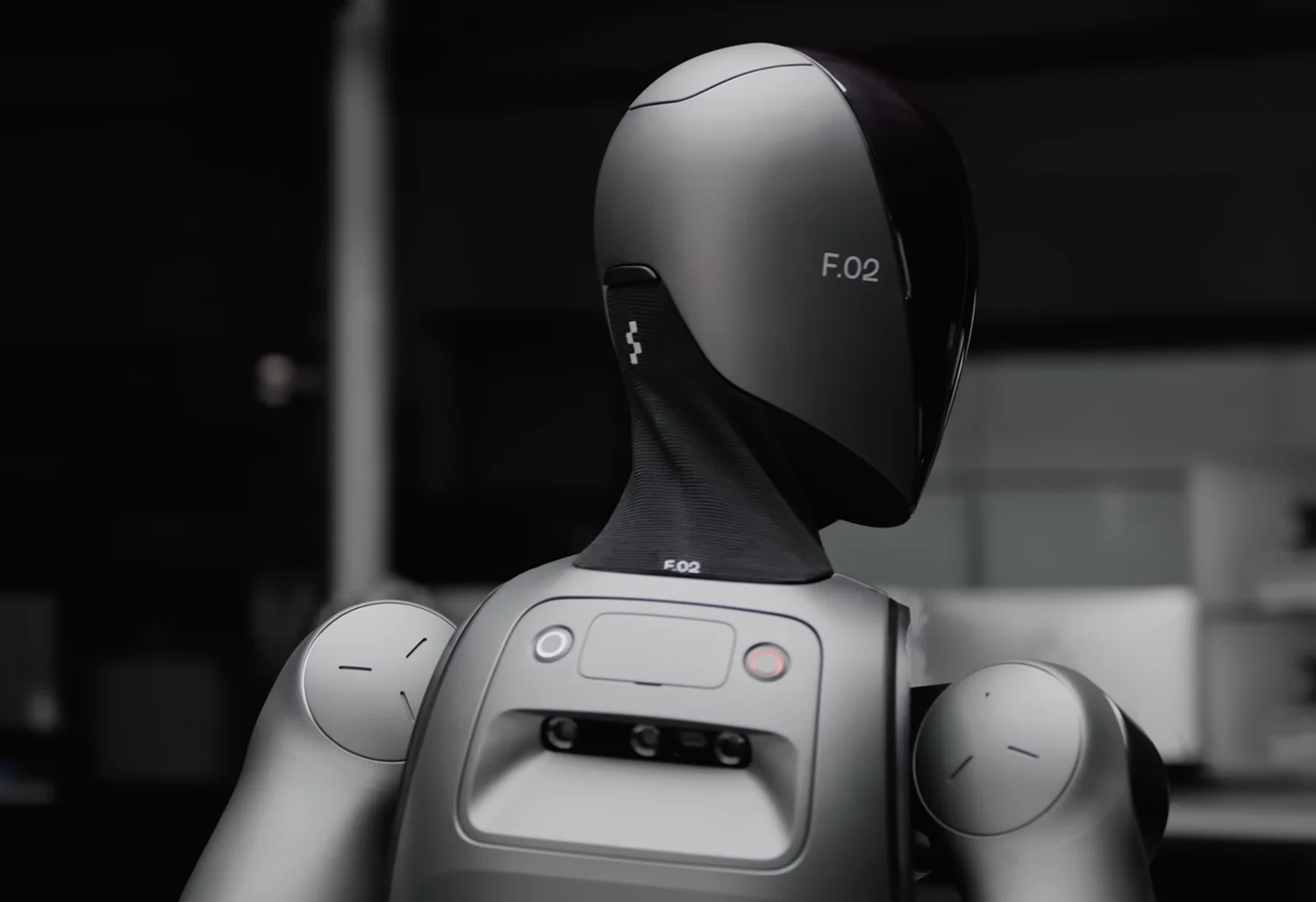
To rigorously evaluate Helix 2.5 without synthetic bias, Figure transported its humanoid robots into thirty private residences across the San Francisco Bay Area. None of the selected homes had ever been scanned, mapped, or photographed by Figure’s engineering teams prior to the live evaluation trials. Each residence presented stark structural variations, including differing ceiling heights, plush carpet textures, cluttered furniture layouts, and fluctuating ambient lighting.
Upon crossing the front threshold, the untethered humanoid commenced operations autonomously without human guidance, pre-loaded spatial maps, or teleoperation assist. Operating under strict zero-shot evaluation protocols, the robot relied entirely on real-time visual perception and generalized neural motor representations. Navigating thirty unseen households successfully establishes the first documented empirical proof of wide-scale whole-body humanoid domestic transfer.
Mastering Complex Long-Horizon Domestic Behaviors
From the single unified Helix 2.5 foundation policy, Figure deployed three complex, long-horizon domestic behaviors: tidying living rooms, folding towels, and making beds. Tidying cluttered living rooms requires the humanoid to navigate around coffee tables, categorize scattered toys, and place disparate objects into storage receptacles. Folding towels and dressing beds demands compliant bimanual tactile handling of highly deformable fabrics that shift shape unpredictably during manipulation.
The robot coordinated dynamic foot placement, knee flexion, and五-finger hand dexterity to smooth bed sheets across varied mattress heights. Executing multi-step chore sequences continuously without stalling proves that the underlying policy maintains long-horizon task memory amidst physical distractions. Mastering deformable materials across unfamiliar spaces demonstrates that the model possesses genuine mechanical dexterity rather than memorized trajectory replays.
Human-to-Humanoid Transfer Scaling: Boosting Success from 9% to 56%
Figure conducted rigorous controlled ablation benchmarks comparing Helix 2.5 against an identical baseline neural policy trained entirely from scratch without Index pretraining. In identical unseen domestic test environments, the un-pretrained baseline policy achieved an abysmal nine percent zero-shot task completion rate. In dramatic contrast, pretraining on the Index dataset supercharged Helix 2.5's zero-shot completion success rate up to fifty-six percent.
This massive six-fold performance leap provides conclusive empirical evidence of a predictive scaling law governing human-to-humanoid motor transfer. Just as internet-scale text pretraining revolutionized natural language processing, planetary human video pretraining unlocks generalized physical common sense in robotics. Demonstrating clear scaling laws validates that continued investment in massive real-world data collection will yield predictable gains toward full autonomy.
Exascale Compute Synergy with the NVIDIA Vera Rubin Architecture
Training foundational physical neural networks at planetary scale demands immense, specialized high-performance computational infrastructure. Figure revealed that it has committed 3.5 billion dollars in infrastructure capital, partnering with GPU cloud provider Nscale to deploy up to 100,000 GPUs. The training cluster leverages NVIDIA’s next-generation Vera Rubin computing platform, optimized specifically for ultra-large multi-modal foundation models.
Massive parallel processing clusters allow Figure’s research teams to iterate and refine trillion-parameter Vision-Language-Action weights within compressed timeframes. High-bandwidth interconnect fabrics process continuous video streams and kinematic tensors without data starvation bottlenecks during distributed training runs. Pairing planetary data pipelines with exascale compute creates an impregnable technological flywheel that accelerates physical artificial intelligence development.
The Watershed Milestone on the Path to General Physical Intelligence
The release of Helix 2.5 marks a transformative watershed in the evolution of embodied artificial intelligence and robotics. By proving that whole-body humanoid intelligence can be learned from broad human experience and transferred zero-shot into novel homes, Figure has rewritten robotics orthodoxy. The historic necessity of hand-crafting brittle environmental controllers for every unique installation has been permanently superseded by foundation models.
While general-purpose household humanoid robotics remains an active scientific frontier, Helix 2.5 demonstrates that the core architecture is established. As Index continues ingesting human experience and computing clusters scale, the remaining dexterity gaps will rapidly close. Humanoid assistants are steadily progressing toward becoming intuitive, capable companions ready to support human households worldwide.
Explore Humanoids
Sources
Related Articles
Lumos Robotics positions MOS 2 as a factory-ready humanoid built for teleoperation and heavy handling
AGIBOT Outlines Industrial Deployment Playbook to Scale Humanoids from Lab Prototypes to Real-World Factories

Tesla Optimus Scales Internal Gigafactory Operations and Reaffirms 2027 Consumer Target
International Broadcasters Spotlight Viral Milestone of Humanoid Robot Autonomously Walking Off Assembly Line
Related Comparisons
Compare Figure 02 with similar robots

Figure 02 vs Alpha
Compare Figure 02 and Alpha. Detailed analysis of sensors, navigation, battery, speed, and AI capabilities.
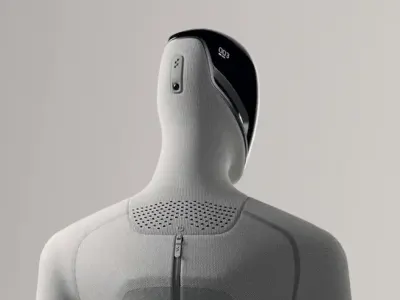
Figure 02 vs Figure 03
Compare Figure 02 and Figure 03 humanoid robots on design, AI, sensors, battery life, and pricing for industrial vs home use.
Optimus vs Figure 02
Compare Tesla Optimus and Figure AI's Figure 02 humanoid robots on specs, AI, mobility, price, and use-case suitability.
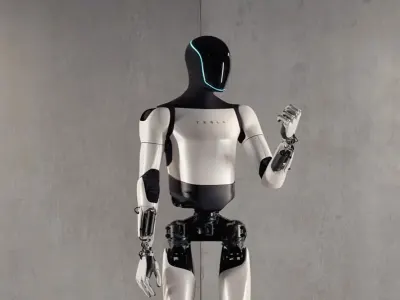
Figure 03 vs Optimus Gen 3
In-depth comparison of Figure 03 and Optimus Gen 3, covering hardware capabilities, teleoperation, and enterprise readiness.
Learn More About This Robot
Discover detailed specifications, reviews, and comparisons for Figure 02.
View Robot Details →