K2 Bumblebee vs Green at a glance
K2 Bumblebee is sold through a sales quote. There is no public way to buy Green as of Nov 2026. K2 Bumblebee is quicker, with a top speed of 1.4 m/s versus 0.9 m/s for Green. K2 Bumblebee has more degrees of freedom (52 against 41 for Green), which allows finer movement.
| Key specs | K2 Bumblebee | Green |
|---|---|---|
| Price | $50,000–$70,000 | — |
| Height | — | 180 cm |
| Weight | 75 kg | 75 kg |
| Top speed | 1.4 m/s (stronger) | 0.9 m/s |
| Runtime | 8 hours | — |
| Degrees of freedom | 52 (stronger) | 41 |
| Payload | 15 kg | — |
| Availability | Order via sales quote | — |
Last updated:
Which one fits your use?
Based on the uses each robot is built and marketed for. Open a use to see the specs that matter for it.
| Comparing for… | K2 Bumblebee | Green |
|---|---|---|
| Suited | Not marketed | |
| Suited | Suited | |
| Suited | Suited | |
| Suited | Not marketed | |
| Not marketed | Suited | |
| Suited | Not marketed |
- Only K2 Bumblebee is marketed for warehouse and logistics work, education and training and hazardous or high-risk work.
- Only Green is marketed for hospitality, retail and public-facing roles.
- Both suit factory and manufacturing work and research labs, so compare the specs for that use.
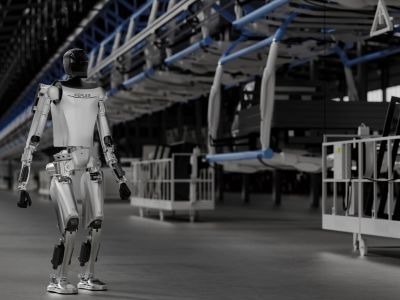
K2 Bumblebee is Kepler Robotics' bipedal humanoid for manufacturing, logistics and retail. It is 175 cm tall, weighs 75 kg and has 52 degrees of freedom, driven by planetary roller screw actuators. More than 80 sensors, including tactile sensors in every finger and infrared binocular 3D cameras, feed Kepler's Nebula AI platform with 100 TOPS of onboard compute, and it can work for about eight hours on a charge.
Green is Sber's first humanoid robot, unveiled at AI Journey 2025 in Moscow. It is 180 cm tall, also weighs 75 kg and has 41 degrees of freedom, including 12 finger joints with force-torque sensing. Green talks through Sber's GigaChat model and handles objects with the Green-VLA model, and Sber is aiming it at retail, catering, manufacturing, labs and room service.
Detailed Analysis
Design & Build Quality
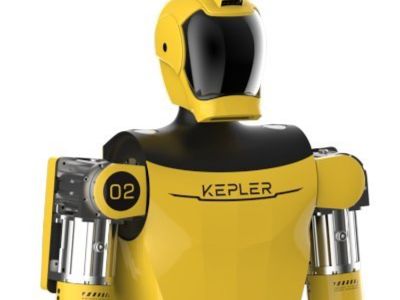
K2 Bumblebee
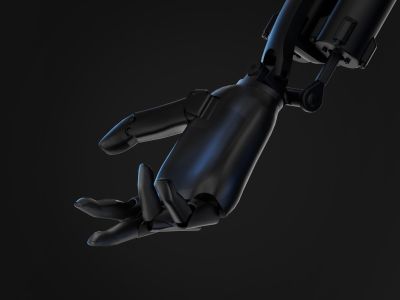
The two robots weigh the same at 75 kg, and Green is a little taller at 180 cm versus 175 cm. K2 Bumblebee has more joints, 52 against Green's 41, and uses planetary roller screw actuators for precise movement. Green dedicates 12 joints to its fingers and 4 to its wrists. K2 Bumblebee's safety features include emergency stop, obstacle avoidance, disturbance-resistant gait and force feedback for safe interaction. K2 Bumblebee's sensors include RGB cameras, infrared binocular 3D cameras, stereo cameras and tactile sensors in every finger.
Mobility & Navigation
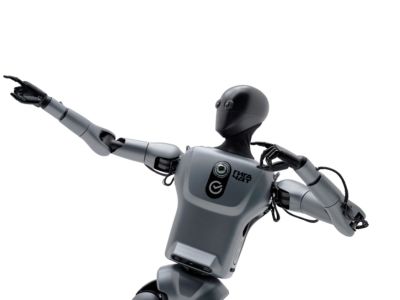
Green
K2 Bumblebee walks at up to 5 km/h, faster than Green's listed top speed of 0.9 m/s (about 3.2 km/h). Both walk on two legs and navigate on their own; Green orients itself in unfamiliar indoor spaces and steers around obstacles. K2 Bumblebee reaches 1.4 m/s. Green's mobility type is legged. K2 Bumblebee has 52 degrees of freedom, carries 15 kg per arm and can deadlift 30 kg. Green has 41 degrees of freedom. K2 Bumblebee weighs 75 kg. Green stands 180 cm tall and weighs 75 kg.
Sensors & Perception
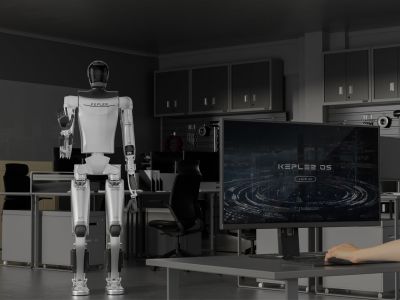
K2 Bumblebee
K2 Bumblebee combines tactile sensors in every finger with RGB, infrared binocular 3D and stereo cameras, LiDAR, an IMU and force sensing. Green uses eight RGB cameras, two LiDARs, inertial sensors and force-torque sensors in its fingertips. Both have touch-sensitive hands, and K2 has the larger and more varied sensor set, while Green's two LiDARs and eight cameras give wide coverage. K2 also reaches 5 km/h, against Green's 0.9 m/s, so it covers more ground.
AI Capabilities

Green
K2 Bumblebee runs AI with SLAM, object recognition and gesture detection, controlled by autonomous AI, natural language, remote control and an app, and it learns through reinforcement learning, motion learning and VLA task programming. Green pairs Sber's GigaChat for conversation with Green-VLA, a vision-language-action model of about 1.3 billion parameters released with open weights, and it can correct its own mistakes. K2 is built for industrial tasks with voice and app control, and Green for conversation and self-correction.
Battery & Power Efficiency
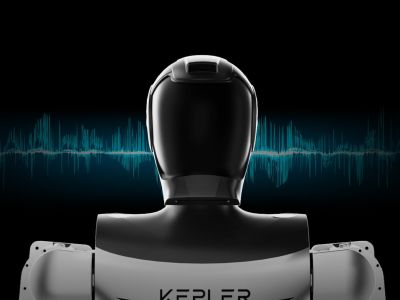
K2 Bumblebee
K2 Bumblebee runs about 8 hours on a 2.5 kWh swappable battery and charges in 2 hours. Green runs on an onboard rechargeable 48 V battery. Both weigh 75 kg, so they carry the same mass, but K2 walks at up to 5 km/h and Green at 0.9 m/s (about 3.2 km/h). K2 is the better-documented choice for long shifts, and its modular battery pack lets a spare keep it working continuously.
Use-Case Suitability

Green
K2 Bumblebee targets sorting, assembly, loading and unloading, guided tours and factory inspections, with 15 kg per arm and a 30 kg dual-arm deadlift. Green targets collecting items and stocking shelves, assembling and packing products, lab work with test tubes and bio samples, and room service and cleaning. Both suit retail and light manufacturing, with K2 carrying heavier loads and Green adding lab handling and hotel service.
Software Ecosystem
K2 Bumblebee
K2 Bumblebee runs Kepler OS, a Linux-based system with ROS compatibility and APIs for vision, motion and voice integration. Green's software is Sber's GigaChat plus the open-weight Green-VLA model, and Sber's Green Challenge lets outside teams train controllers in a simulator of the robot. K2 suits developers who want documented APIs for industrial applications, while Green's open weights suit researchers who want to adapt the model itself.
Pricing & Value

Green
K2 Bumblebee is listed at $50,000 to $70,000. Sber has not announced a price or public sales for Green; it plans business pilots and expects a line of Green robots by autumn 2026. Green is aimed at retail, catering, manufacturing, laboratories and room service. Green talks through Sber's GigaChat model and handles objects with the Green-VLA model. Sber unveiled it at AI Journey 2025 in Moscow. Green stands 180 cm tall and weighs 75 kg. Green's control is listed as autonomous, with GigaChat and Green-VLA AI models and voice commands.
Safety Features
K2 Bumblebee
K2 Bumblebee uses a disturbance-resistant gait, force feedback, obstacle avoidance and an emergency stop. Green relies on inertial and force sensors for balance, avoids obstacles and can catch its own errors; Sber has not published safety certifications. Green's navigation relies on camera and LiDAR perception that lets it move around obstacles. Green walks on two legs. Green is built for indoor work in shops, catering, factories, laboratories and hotel rooms. Green stands 180 cm tall, weighs 75 kg and has 41 degrees of freedom.
Capabilities & Operational Tasks
Head-to-head comparison of what K2 Bumblebee and Green can do, their applications, and capabilities.
What Can K2 Bumblebee & Green Do?
153 tasks listed for both, 6 only for K2 Bumblebee, 6 only for Green.
Both K2 Bumblebee and Green
3Only K2 Bumblebee
6Only Green
6Technical Specifications
K2 Bumblebee and Green differ on 33 of the 35 specifications listed for both.
Manipulation & Load Capacity
3 Comparative Metrics
Kinematic Architecture & Dexterity
3 Comparative Metrics
Energy & Power Management
7 Comparative Metrics
Frequently Asked Questions
Can I buy K2 Bumblebee or Green today?
K2 Bumblebee is sold through a sales quote. There is no public way to buy Green as of Nov 2026.
Which uses is each robot marketed for, K2 Bumblebee or Green?
Only K2 Bumblebee is marketed for warehouse and logistics work, education and training and hazardous or high-risk work. Only Green is marketed for hospitality, retail and public-facing roles. Both suit factory and manufacturing work and research labs, so compare the specs for that use.
How much does K2 Bumblebee cost?
K2 Bumblebee is listed at $50,000–$70,000.
Where can I buy K2 Bumblebee?
K2 Bumblebee is sold through Kepler Robotics's sales team; request a quote.
Related Comparisons

K2 Bumblebee vs T800
Which robot wins? K2 Bumblebee vs T800 compared across speed, sensors, navigation, and price for industrial humanoid selection.

Optimus vs Green
Optimus vs Green: Tesla's humanoid against Sber's GigaChat-powered Green, compared on size, hands, AI, target jobs and availability.

AgiBot G2 vs Green
AgiBot G2 vs Green: AgiBot's wheeled precision-assembly humanoid against Sber's walking GigaChat robot, compared on build, sensors, battery and price.

Figure 03 vs K2 Bumblebee
Compare Figure 03 and K2 Bumblebee. Detailed analysis of navigation, battery, and sensors.
Verdicts reflect our research and opinion. Confirm specifications with the manufacturer before buying.