Eno
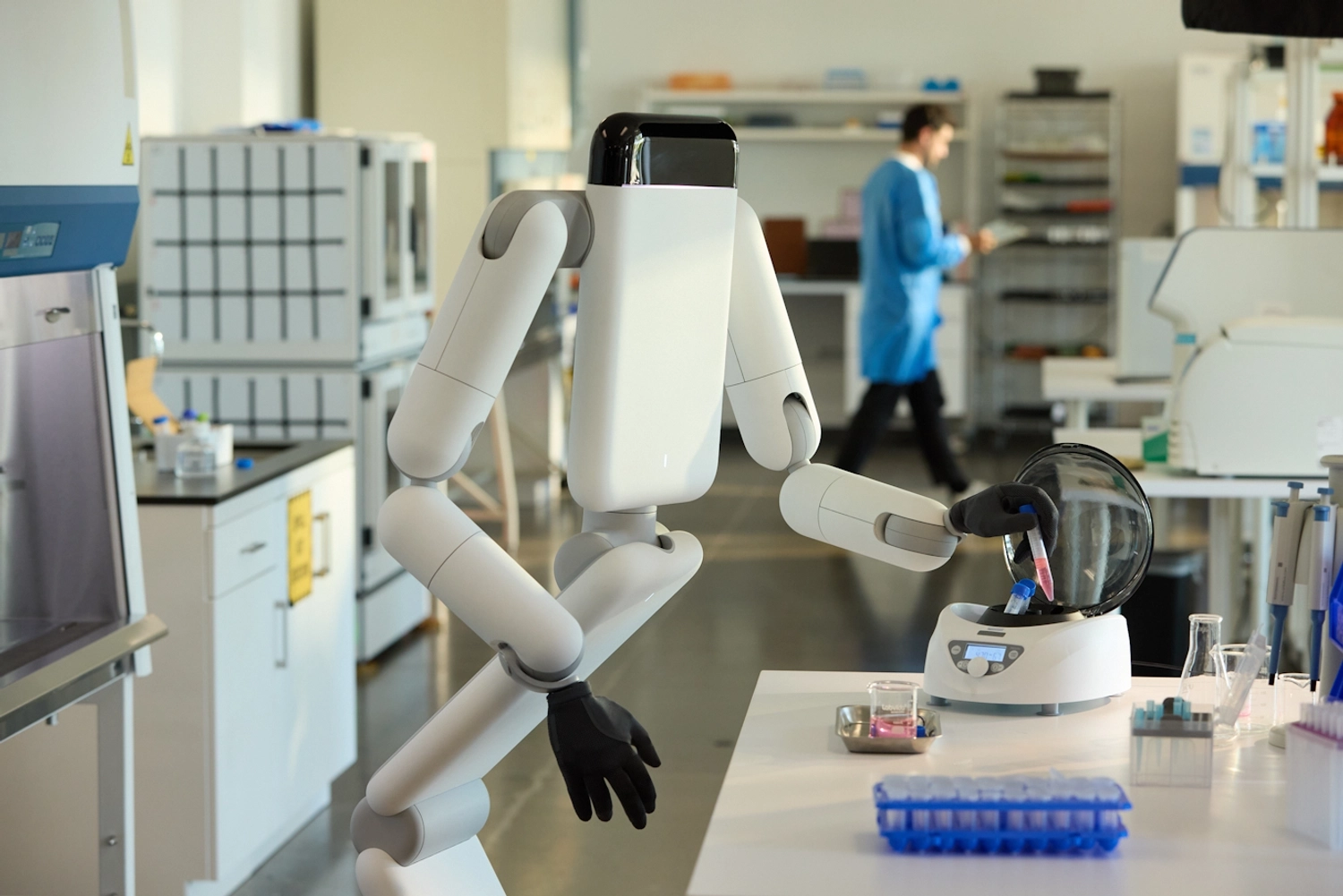
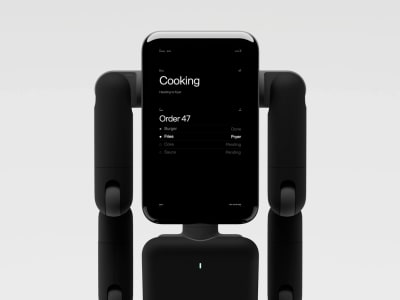
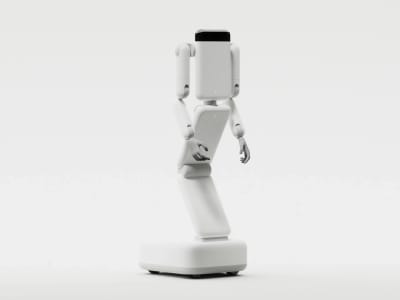
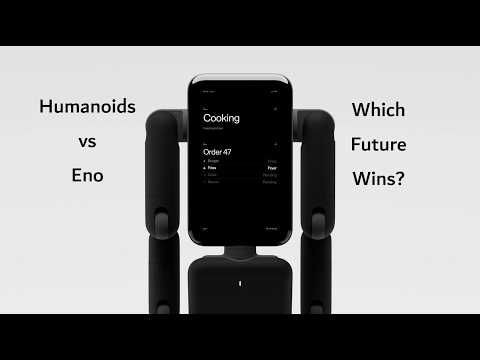
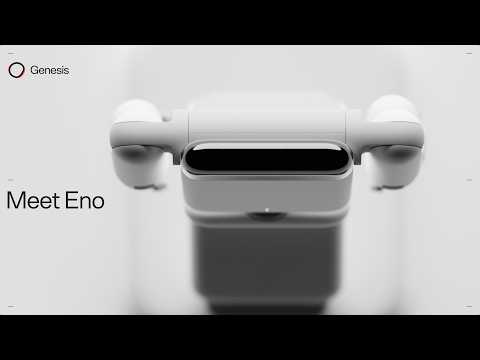
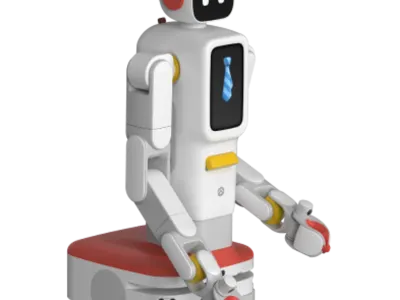
Eno is Genesis AI’s first general-purpose robot, designed as a bi-dexterous mobile manipulator rather than a classic legged humanoid. It combines a wheeled base, an adjustable torso, and highly dexterous arms and hands to perform multi-step tasks in factories, laboratories, logistics sites, and later service environments. Genesis says Eno is built around its GENE robotics foundation model, which is intended to give the robot memory, reasoning, and task adaptation across changing conditions. Public reporting indicates the robot emphasizes practical work over humanoid appearance, with an optional chest display for status and reasoning transparency, and hand hardware focused on manipulation, touch, and safety.
Quick Overview & Key Facts
Eno is a humanoid system developed by Genesis AI in France and launched in 2026. Starting price is estimated at $50,000 - $150,000. It supports Packages, tools, lab tasks, industrial manipulation, service interactions. Operating battery runtime is rated at 4-6 hours. Primary applications include Material handling, kitting, wire management, lab sample handling, stocking, shift handoff preparation, and multi-step workflow execution. Featured in editorial articles including “Genesis AI unveils Eno, a teleoperation-first humanoid aimed at labs, factories and service spaces”.
What Can Eno Do?
Core operational tasks and activities demonstrated or performed by Eno.
Real-World Applications of Eno
Industries, working environments, and deployment suitability for Eno.
Eno Capabilities
Inherent physical, perceptual, and cognitive abilities built into Eno.
Image Gallery
Below images are from Genesis AI's official sources

Review Videos
Watch expert reviews and demonstrations of this robot
Robot Specifications
Free AI API
For Everyone, Forever
Empowering developers, robotics researchers, and AI builders worldwide. Access powerful AI models through an OpenAI-compatible universal API with no subscription fees, no paid plan required, and free access forever.

Latest News About Eno
Stay updated with the latest articles and developments
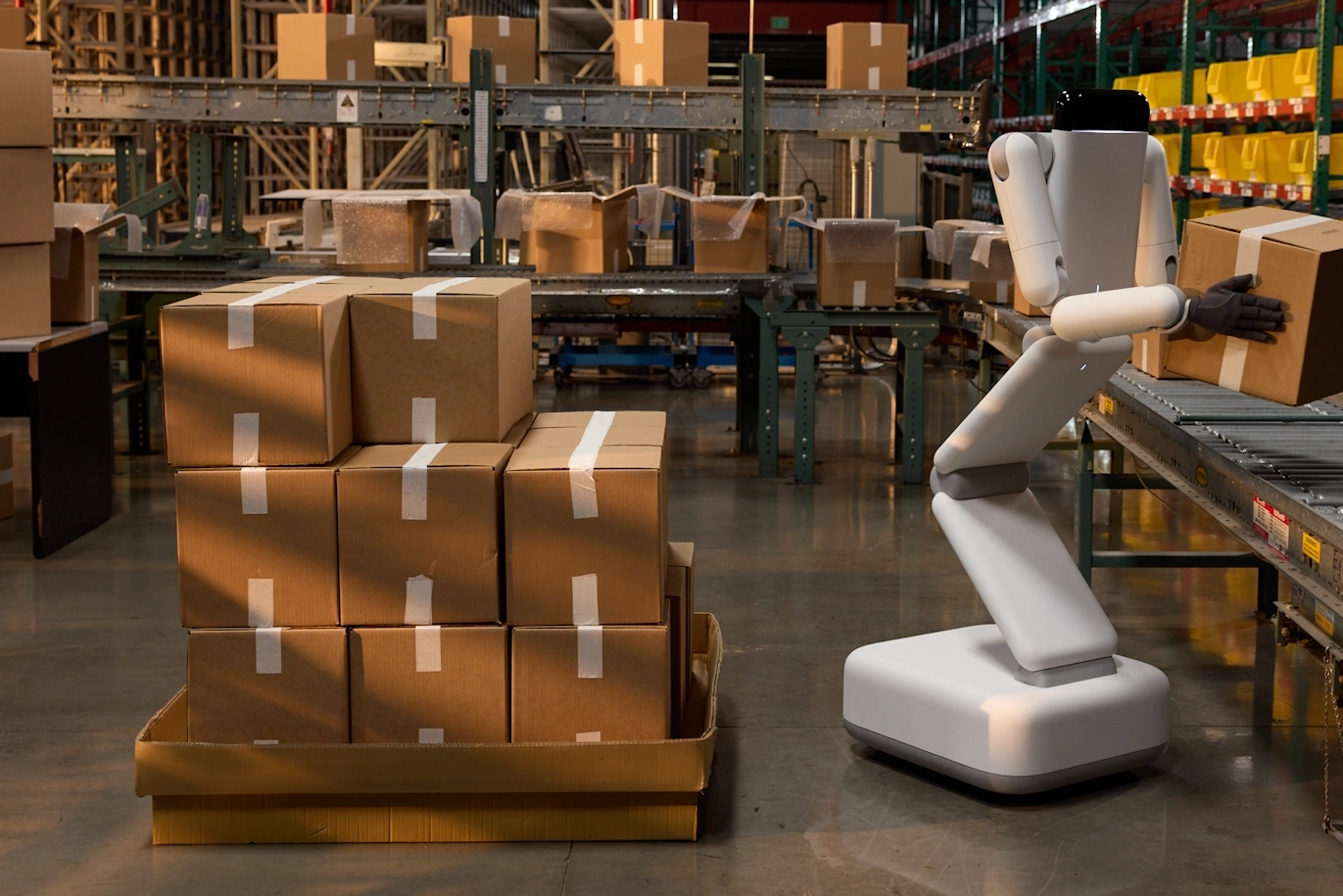
Genesis AI unveils Eno, a teleoperation-first humanoid aimed at labs, factories and service spaces
Humanoid robots are being built to handle the hardest part of physical work: matching human motion, keeping balance, and manipulating objects in spaces designed for people. Genesis AI on June 16 unveiled Eno, its first general-purpose robot, and said the system is designed around the company’s GENE robotics foundation model for real-world work across industrial and service settings.
More Humanoid Robots
Discover more robots in the same category


Robots From Other Categories
Discover complementary robots from different categories that work well together


Frequently Asked Questions
Get answers to common questions about this robot
Q1. What is Eno, and what problem is it designed to solve?
Eno is Genesis AI’s general-purpose robot, designed to handle practical tasks in work settings rather than imitate human appearance.
Q2. What are the main capabilities and key features of Eno?
According to Genesis AI, Eno combines dexterous hands, onboard sensing, and its GENE model for task reasoning and multistep planning.
Q3. Who is Eno built for, and which industries can benefit from it?
Genesis AI says Eno is aimed first at industrial users, including manufacturing, logistics, and laboratories, with later service-sector use.
Q4. Is Eno a commercial product or still a research prototype?
Eno is presented as a commercial product in early deployment stages, though broader market availability remains limited as of 2026.
Q5. Is Eno currently available for purchase, and when is it expected to ship?
Genesis AI has indicated initial industrial deployments by the end of 2026, with shipping dependent on distributor fulfillment after pre-orders.
Q6. How does Eno actually work in real-world environments?
Eno uses its AI model to interpret tasks, adapt to changing conditions, and execute actions based on sensor input rather than fixed scripts.
Q7. When was Eno announced or officially launched?
Eno was unveiled in 2026, with public reporting describing it as Genesis AI’s first general-purpose robot announcement.
Q8. How is Eno different from other robots in the same category?
Unlike many humanoid robots, Eno uses a wheeled base and focuses on task execution, while Genesis AI emphasizes reasoning and manipulation.
Q9. Does Eno require additional development or customization after purchase?
Likely yes; Genesis AI presents Eno as a platform for customer-specific deployment, which typically requires integration and workflow tuning.
Q10. What is the future roadmap or planned upgrades for Eno?
Genesis AI has said it plans to expand Eno from industrial deployments into service settings such as hotels and hospitals, with home use later.
User Comments (No Login needed)
Share your thoughts, experiences, or questions about this robot.
Comments are reviewed before posting.