
HELIOS
Last updated:
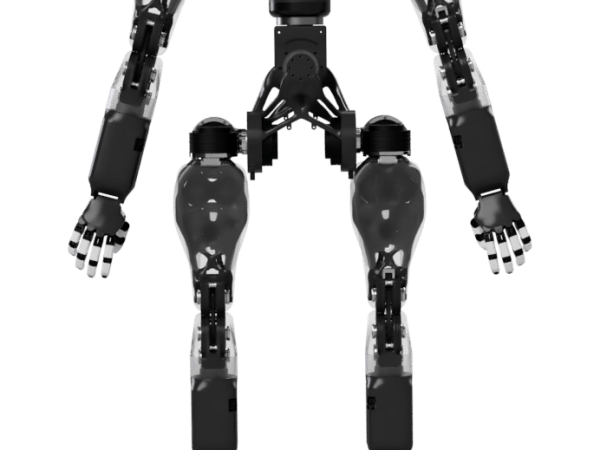
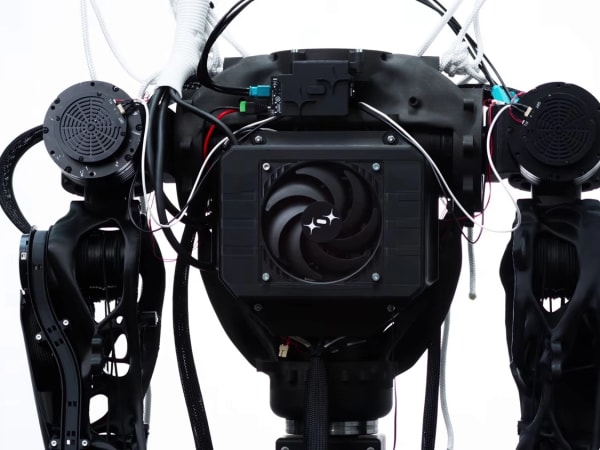
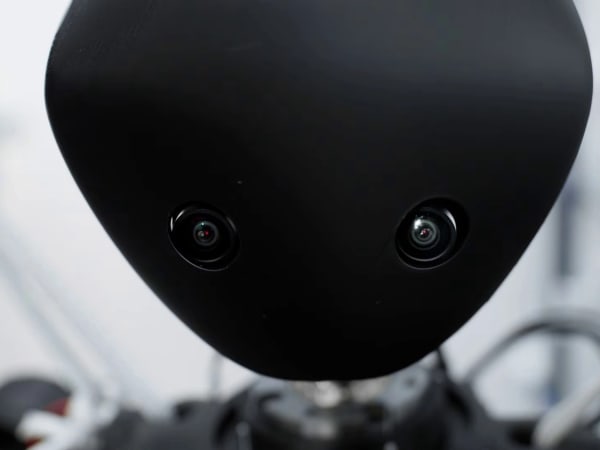
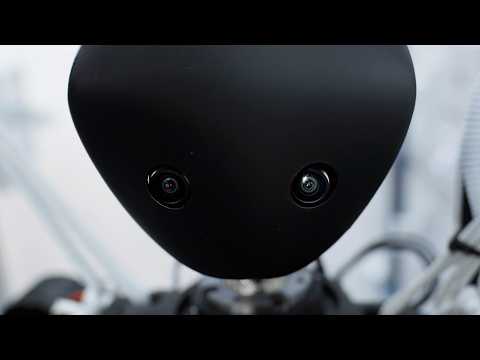
HELIOS is a groundbreaking four-armed humanoid robot prototype developed by Orbit Robotics in Switzerland, specifically engineered for space research and operations in microgravity environments. Unlike traditional bipedal humanoids, HELIOS replaces legs with two additional arms, utilizing four coordinated arms to navigate space station interiors, stabilize its body, and perform precise tasks in tight orbital spaces. The robot features a height of 160 centimeters, a top speed of 2 kilometers per hour, and a runtime of approximately 3 hours per charge. Its structure combines aluminum alloys and carbon fiber with electric actuators, a tendon-driven system, and rolling contact joints to minimize moving mass and enhance agility. Designed to reduce astronaut maintenance workload, HELIOS handles routine operational tasks like cargo sorting and satellite servicing, freeing crews to focus on scientific research. Currently in the prototype stage, it is not available for purchase.
Quick Overview & Key Facts
HELIOS is a humanoid system developed by Orbit Robotics in Switzerland and launched in 2026. Starting price is estimated at Not for sale (Prototype). It is currently ranked #344 in most-viewed humanoid robots on Origin of Bots. It supports Tools, packages, precision instruments. Operating battery runtime is rated at 3 hours on full charge. Primary applications include Space station maintenance, cargo handling, satellite servicing. Featured in editorial articles including “Zurich Startup Orbit Robotics Unveils Four-Armed HELIOS Humanoid for Space Station Maintenance”.
What Can HELIOS Do?
Core operational tasks and activities demonstrated or performed by HELIOS.
Real-World Applications of HELIOS
Industries, working environments, and deployment suitability for HELIOS.
HELIOS Capabilities
Inherent physical, perceptual, and cognitive abilities built into HELIOS.
Download Media Cards
Story CardExport high-resolution story cards summarizing HELIOS's operational tasks, real-world applications, and capabilities.
Image Gallery
Below images are from Orbit Robotics's official sources




Review Videos
Watch expert reviews and demonstrations of this robot



Robot Specifications
Robot Timeline
Key milestones in this robot's development and rollout
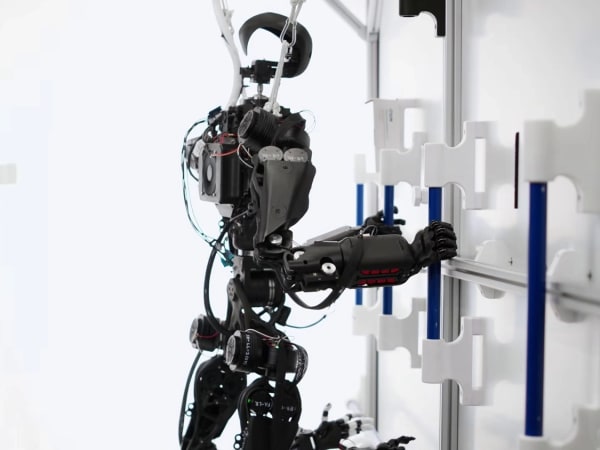
Zurich-based Orbit Robotics presents Helios, a four-armed, tendon-driven robot for microgravity, with two arms anchoring to station structures while two handle cargo and tools.
Source: The Next Web ↗
Latest News About HELIOS
Stay updated with the latest articles and developments

More Humanoid Robots
Discover more robots in the same category



Robots From Other Categories
Discover complementary robots from different categories that work well together
Frequently Asked Questions
Get answers to common questions about this robot
Q1. What is HELIOS, and what problem is it designed to solve?
HELIOS is a four-armed humanoid robot prototype from ORBIT Robotics in Switzerland, designed to reduce astronaut maintenance workload in microgravity by handling routine tasks so crews can focus on science.
Q2. What are the main capabilities and key features of HELIOS?
HELIOS features a four-arm architecture for zero-gravity mobility, tendon-driven joints for smoother movement, rolling contact elbow joints for strength, and the IKARUS teleoperation platform, with reported capabilities in obstacle avoidance and goods sorting.
Q3. Who is HELIOS built for, and which industries can benefit from it?
HELIOS is built for space research and orbital operations, specifically targeting future space stations and orbital facilities to assist astronauts with repetitive maintenance and cargo-handling duties in microgravity environments.
Q4. Is HELIOS a commercial product or still a research prototype?
HELIOS is currently classified as a research prototype from ORBIT Robotics, emphasizing rapid iteration and hands-on testing over polished commercialization, and is not available for purchase.
Q5. Is HELIOS currently available for purchase, and when is it expected to ship?
HELIOS is not currently available for purchase as it remains a prototype; the company has not announced a specific shipping date, focusing instead on development and testing phases.
Q6. How does HELIOS actually work in real-world environments?
Instead of legs, HELIOS uses multiple arms to move, stabilize itself, and perform tasks inside space stations, allowing it to navigate interiors, hold position, and execute duties simultaneously in weightlessness.
Q7. When was HELIOS announced or officially launched?
ORBIT Robotics unveiled HELIOS after two semesters of development, research, and iteration, with the official reveal occurring in 2024 for future space environment applications.
Q8. How is HELIOS different from other robots in the same category?
HELIOS differs by replacing legs with two additional arms, creating a four-armed design specifically optimized for microgravity mobility and dexterity, unlike leg-based humanoids intended for terrestrial use.
Q9. Does HELIOS require additional development or customization after purchase?
As HELIOS is a prototype not yet for sale, it currently requires ongoing development and testing by the manufacturer rather than post-purchase customization by end users.
Q10. What is the future roadmap or planned upgrades for HELIOS?
The company has announced plans to expand HELIOS availability from early commercial deployments toward broader household adoption, aiming to support astronauts with routine operational tasks in future orbital facilities.
Rating and Reviews
Share your experience and help others decide!
Loading...
User Reviews
No user reviews. Be the first one to review!
User Comments (No Login needed)
Share your thoughts, experiences, or questions about this robot.
Comments are reviewed before posting.