Roger
AI ChatLast updated:
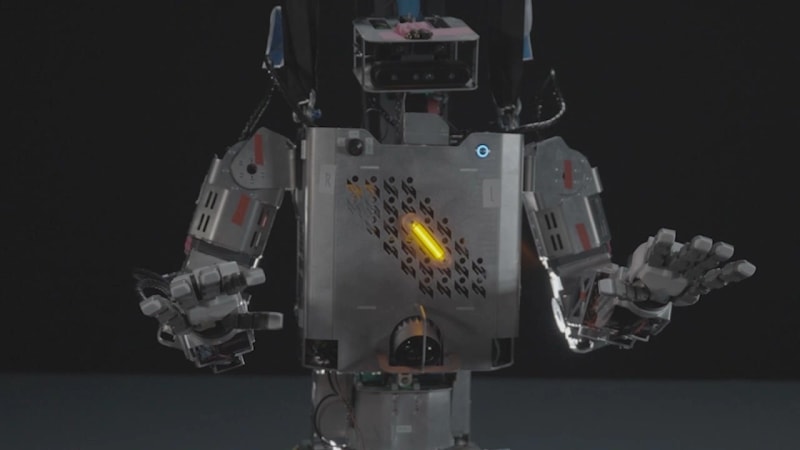
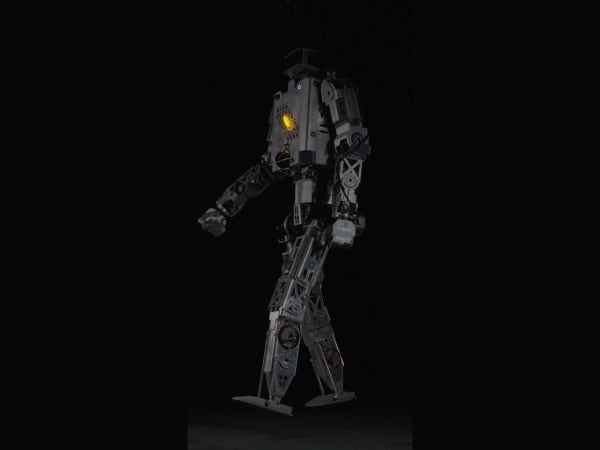
Roger is a rugged, semi-autonomous humanoid robot from Minerva Humanoids, built to do the world's most dangerous jobs so that people do not have to. A trained specialist operates Roger from a safe location: a VR headset shows the view from the robot's cameras, trackers on the operator's body send their movements to the robot, and haptic gloves return a sense of touch from Roger's two five-fingered hands. Minerva's own software, Minerva Intelligence, takes care of balance, fall recovery and navigation, so the operator can focus on the skilled part of the job. Minerva says Roger weighs 220 lb (about 100 kg), walks at 4.5 mph over stairs, sand and rubble, carries 26.4 lb in each hand, runs for more than 4 hours, is sealed to IP66 and works from -20°C to +60°C. It is aimed at oil and gas inspection and valve work, explosive ordnance disposal (EOD), chemical and radiological (CBRN) response and casualty evacuation. Roger went from a blank sheet to a walking prototype in about five months in 2026 and was unveiled on October 6, 2026; it is still a prototype, with first paid pilots starting in fall 2026.
Quick Overview & Key Facts
Roger is a humanoid robot made by Minerva Humanoids in United States, launched in 2026 and built for oil and gas emergency response (gas leaks, fire watch), scheduled inspection rounds and gauge reading, and remote valve and control-panel operation. Its estimated price is $250,000 – $400,000. Featured in “Teleoperated Humanoid Robots in 2026: Which Ones a Person Can Drive Remotely” and “Humanoid Robots That Can Climb Stairs in 2026: Step Heights and Loads Compared”.
- Mobility
- Bipedal (legged) humanoid
- Top speed
- 4.5 mph (approx. 7.2 km/h) (Minerva)
- Battery runtime
- 4+ hours per charge (Minerva)
- Charging time
- 2–3 hours
What Can Roger Do?
Core operational tasks and activities demonstrated or performed by Roger.
Real-World Applications of Roger
Industries, working environments, and deployment suitability for Roger.
Roger Capabilities
Inherent physical, perceptual, and cognitive abilities built into Roger.
Image Gallery
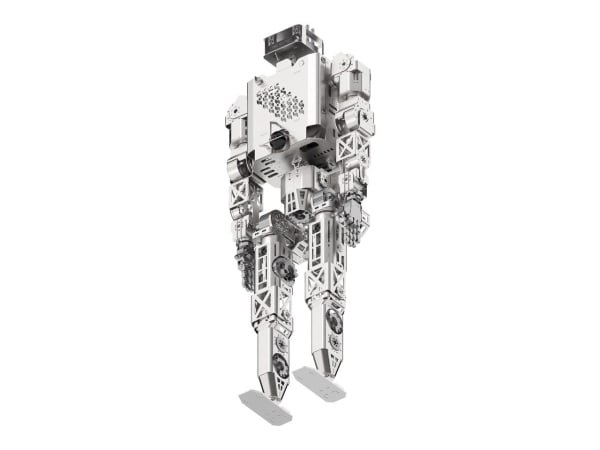
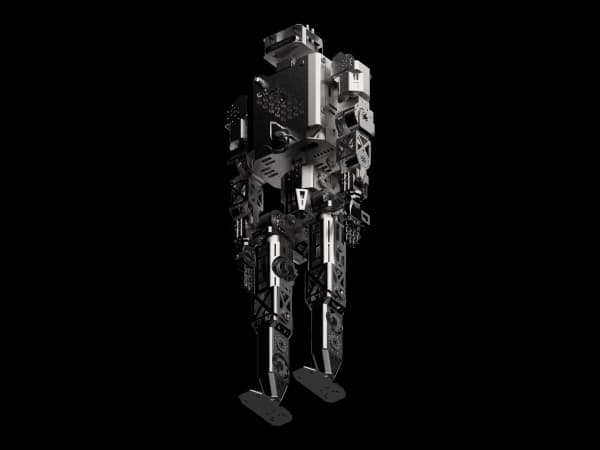
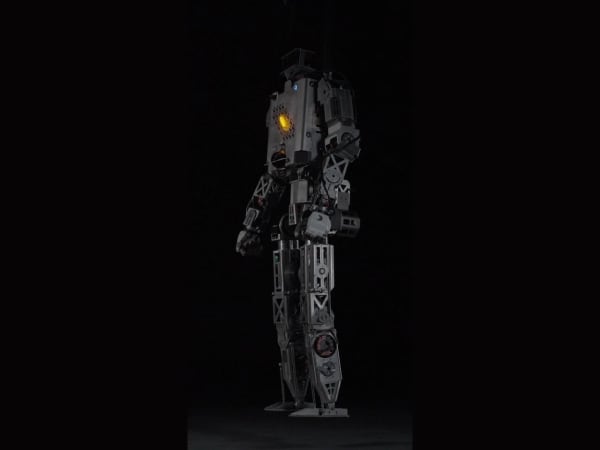
Below images are from Minerva Humanoids's official sources
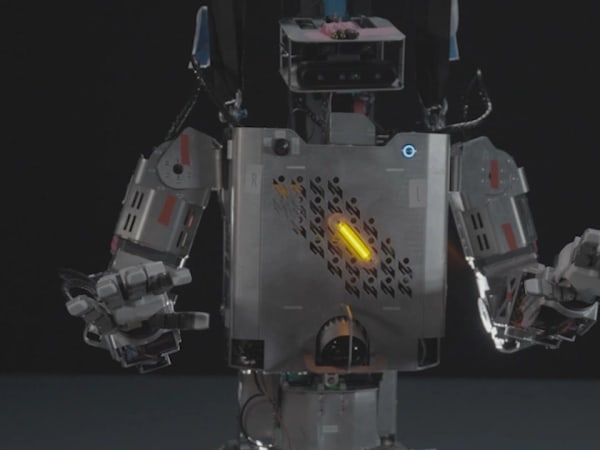
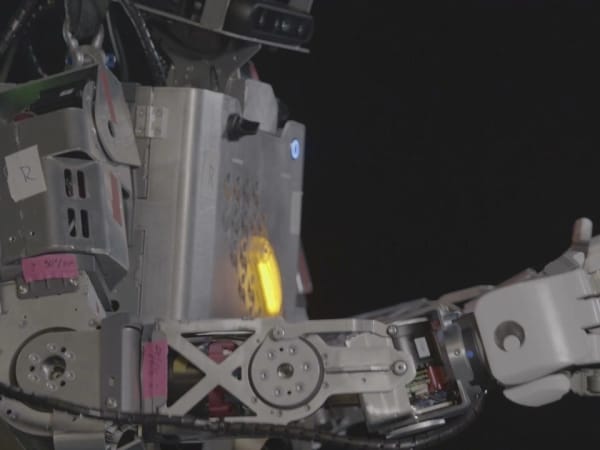
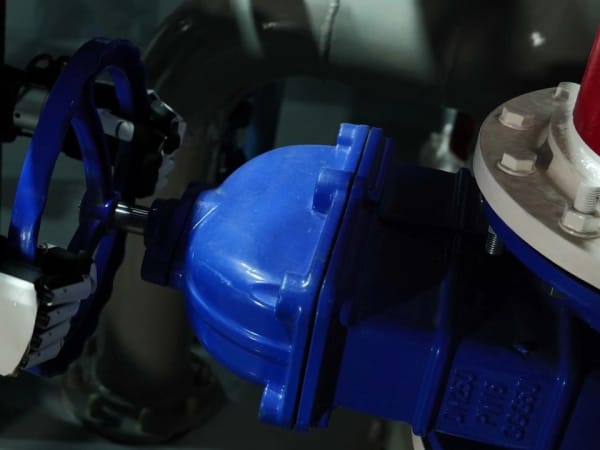
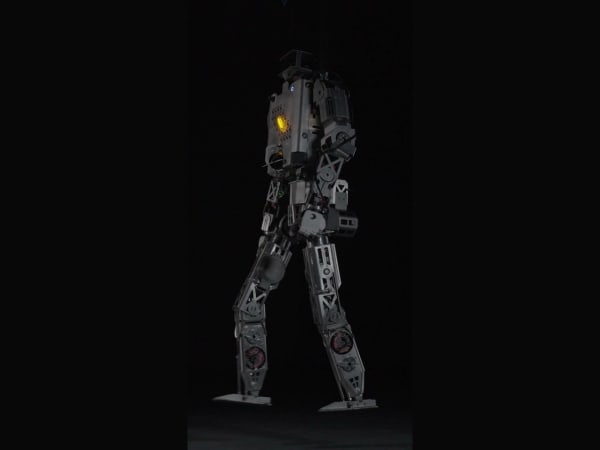
Review Videos
Watch expert reviews and demonstrations of this robot

Robot Specifications
ConfirmedValues marked Confirmed were checked against the manufacturer's official data; select the badge to open the source. Values without a Confirmed badge are compiled from public sources and may not be manufacturer-verified.
Not yet published by Minerva Humanoids: warranty terms, safety certifications, EMC compliance, IP rating, noise level, expected lifespan, maintenance schedule, firmware version and 5 more.
Robot Timeline
Key milestones in this robot's development and rollout
Minerva Humanoids and MBZUAI announce a two-year research partnership on humanoid robots for safety-critical energy-sector operations such as refineries and processing plants.
Source: Minerva Humanoids ↗
Minerva starts the clean-sheet design of Roger, its own humanoid for hazardous work.
Source: Humanoids Daily ↗
Roger's first prototype is demonstrated at the NATO Explosive Ordnance Disposal Centre of Excellence in Slovakia.
Source: Minerva Humanoids ↗
Roger walks for the first time as a complete prototype, about five months after design work began.
Source: Humanoids Daily ↗
Minerva emerges from stealth with about $10 million in pre-seed funding led by General Catalyst and unveils Roger publicly, with first paid pilots planned for fall 2026.
Source: The AI Insider ↗
Roger vs Fuxi, Alex, Persona Humanoid and NETRION-M
Roger overlaps with these alternatives on Dangerous or high-risk work and Defense and military. Roger leads this group on max speed but trails on weight.
Industries and capabilities are tags, not scores: a tick means the robot is listed for it. Green marks the best figure in a row (highest max speed and runtime; lowest weight). Ranges are not ranked.
| Spec | RogerMinerva Humanoids | FuxiNORINCO Group | AlexIHMC Robotics | Persona HumanoidPersona AI | NETRION-MVISION ONE |
|---|---|---|---|---|---|
| Industries | |||||
| Dangerous or high-risk work | Yes | Yes | No | Yes | Yes |
| Defense and military | Yes | No | Yes | No | Yes |
| Inspection and quality control | Yes | No | No | Yes | No |
| Search and rescue | Yes | Yes | Yes | No | No |
| Capabilities | |||||
| Bipedal locomotion | Yes | Yes | Yes | Yes | No |
| Dexterous manipulation | Yes | No | Yes | Yes | No |
| Remote control (teleoperation) | Yes | Yes | Yes | No | No |
| Walking | Yes | Yes | Yes | Yes | No |
| Max Speed | 2.01 m/s | 1–2 m/s | 0.83 m/s | 1.39 m/s | 1.8 m/s |
| Runtime | 4+ hours per charge | 2–4 h | 120 min | 16 h | 4.5–5.5 h |
| Weight | 99.79 kg | 90 kg | 85 kg | 85 kg | 88 kg |
| Released | 2026 | 2026 | 2025 | 2026 | 2026 |
Notes such as conditions or alternate figures are left out and values are shown in common units; open each page for the full specs. Browse all Humanoid Robots
Roger Also Mentioned in Below Articles
Find out how this model stacks up against the world's best robots
More Humanoid Robots
Discover more robots in the same category
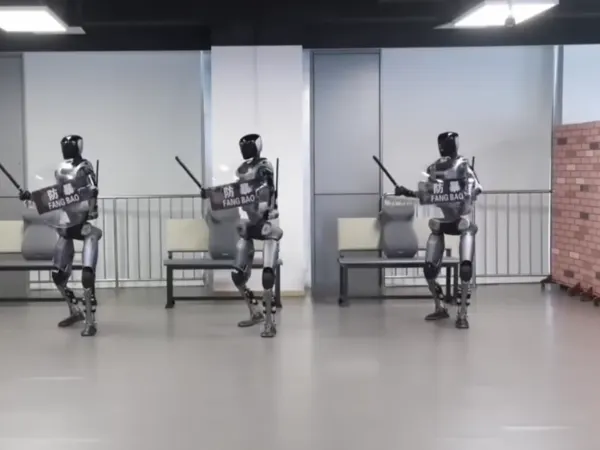
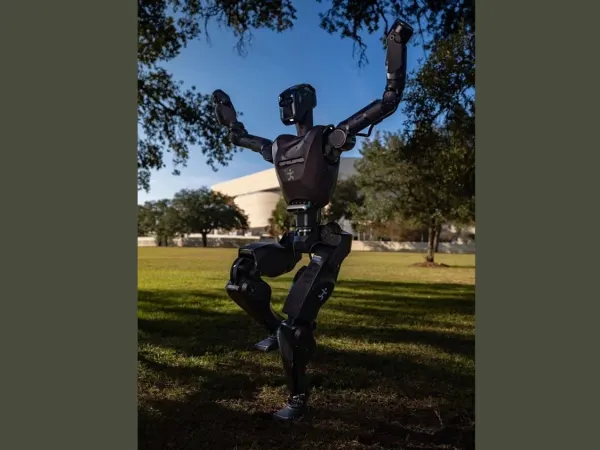
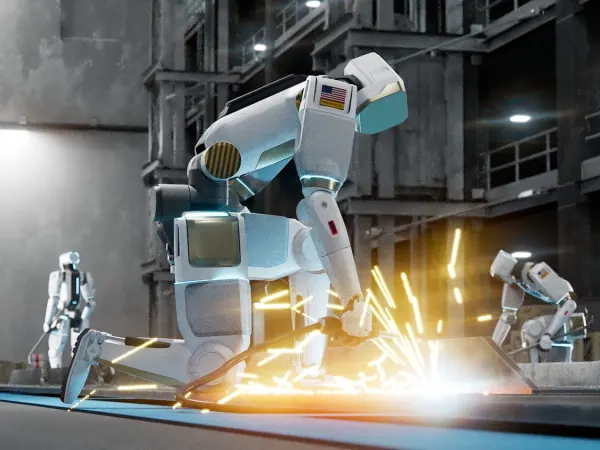
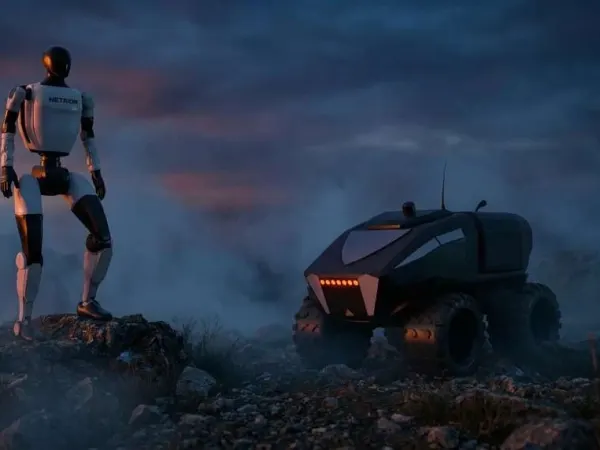
Robots From Other Categories
Discover complementary robots from different categories that work well together
Frequently Asked Questions
Get answers to common questions about this robot
Q1. What is Roger, and what problem is it designed to solve?
Roger is a humanoid robot from Minerva Humanoids that does dangerous work in place of people. It lets skilled workers such as bomb technicians and oil and gas operators do their jobs from a safe distance instead of walking into harm's way.
Q2. What are the main capabilities and key features of Roger?
Roger walks over stairs, sand and rubble, keeps its balance and gets back up by itself if it falls, and uses two five-fingered hands to turn valves, handle tools and collect samples. The operator sees through its cameras, feels what its hands touch through haptic gloves, and can talk through it.
Q3. Who is Roger built for, and which industries can benefit from it?
It is built for oil and gas companies, bomb disposal and chemical or radiological response teams, airports and other public-safety agencies that send people into hazardous places today.
Q4. Is Roger a commercial product or still a research prototype?
It is still a prototype. Minerva built it quickly in 2026 and is improving its ruggedness and sensors based on field tests and pilots.
Q5. Is Roger currently available for purchase, and when is it expected to ship?
It is not sold off the shelf. Minerva is starting paid pilots with industry customers in fall 2026 and plans to turn them into service contracts, so interested organizations contact the company directly.
Q6. How does Roger actually work in real-world environments?
A specialist wears a VR headset and haptic gloves in a safe location. Roger's cameras send the view to the headset, the operator's movements are sent to the robot, and Minerva's onboard software handles walking, balance and navigation. If the link drops, Roger stops safely or falls away from critical equipment.
Q7. When was Roger announced or officially launched?
Minerva started designing Roger in early 2026, showed its first prototype to NATO bomb-disposal experts that spring, and unveiled it publicly in October 2026.
Q8. How is Roger different from other robots in the same category?
Most humanoids target factories or homes. Roger is designed for hazardous sites: it is sealed against water and dust, shielded against radio jammers, works in extreme temperatures, uses an encrypted long-range link, and is built in Germany and the US without Chinese components.
Q9. Does Roger require additional development or customization after purchase?
Each deployment is set up with Minerva for the site and the mission. Operators need only brief training, and for autonomous inspection rounds Minerva maps the customer's routes before the robot starts work.
Q10. What is the future roadmap or planned upgrades for Roger?
Minerva plans tougher hardware, better sensor integration and stronger hands, an autonomous return-to-base feature, and gradually more autonomy, moving from remote control toward fully autonomous inspection and fleets of robots.
Rating and Reviews
Share your experience and help others decide!
Loading...
User Reviews
No user reviews. Be the first one to review!
User Comments (No Login needed)
Share your thoughts, experiences, or questions about this robot.
Comments appear after moderator review.