Roger
Last updated:
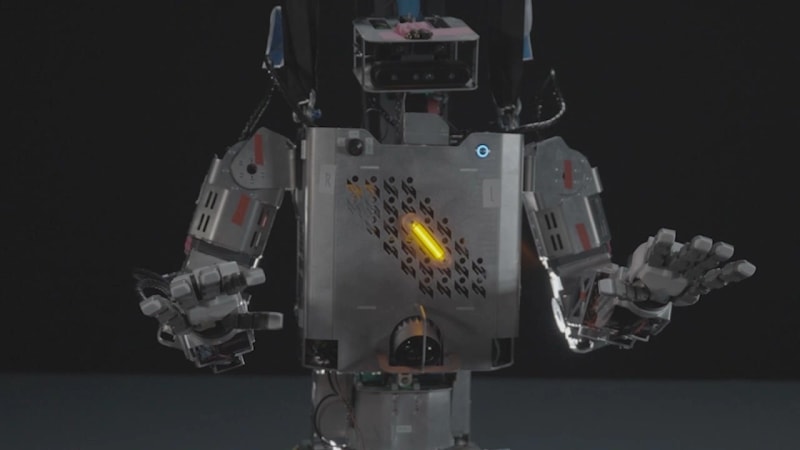
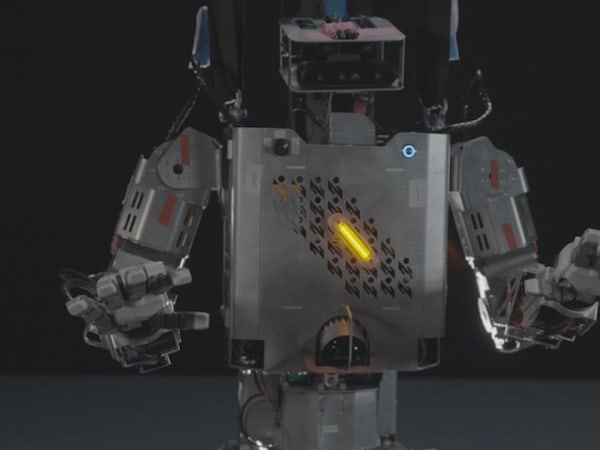
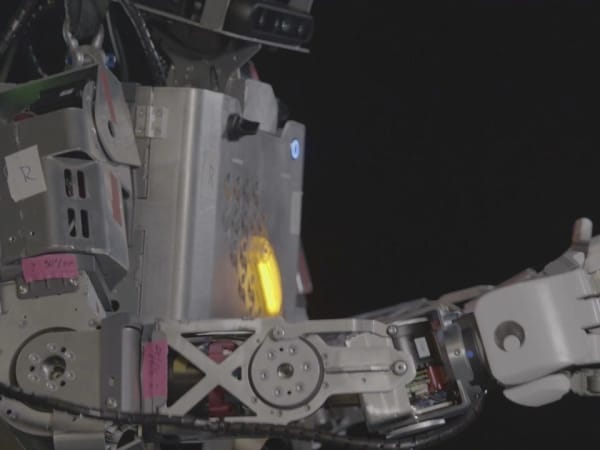
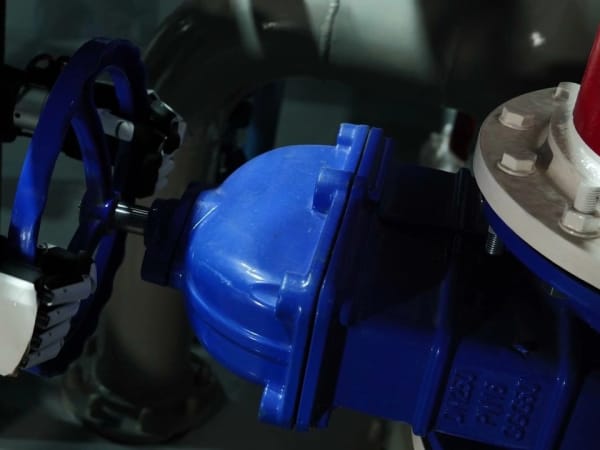
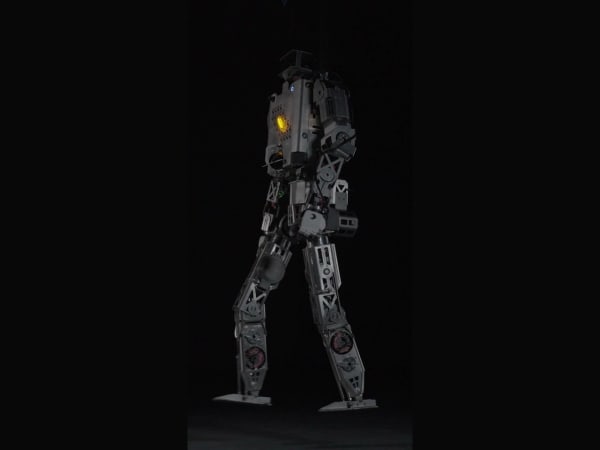
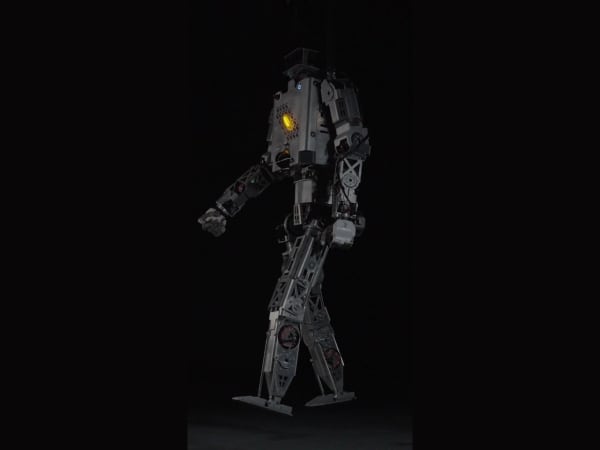
Roger is a rugged, semi-autonomous humanoid robot from Minerva Humanoids, built to do the world's most dangerous jobs so that people do not have to. A trained specialist operates Roger from a safe location: a VR headset shows the view from the robot's cameras, trackers on the operator's body send their movements to the robot, and haptic gloves return a sense of touch from Roger's two five-fingered hands. Minerva's own software, Minerva Intelligence, takes care of balance, fall recovery and navigation, so the operator can focus on the skilled part of the job. Minerva says Roger weighs 220 lb (about 100 kg), walks at 4.5 mph over stairs, sand and rubble, carries 26.4 lb in each hand, runs for more than 4 hours, is sealed to IP66 and works from -20°C to +60°C. It is aimed at oil and gas inspection and valve work, explosive ordnance disposal (EOD), chemical and radiological (CBRN) response and casualty evacuation. Roger went from a blank sheet to a walking prototype in about five months in 2026 and was unveiled on October 6, 2026; it is still a prototype, with first paid pilots starting in fall 2026.
Quick Overview & Key Facts
Roger is a humanoid system developed by Minerva Humanoids in United States and launched in 2026. Starting price is estimated at $250,000 – $400,000 (or a pilot / service contract). It is currently ranked #348 in most-viewed humanoid robots on Origin of Bots. It supports EOD tools (disruptors such as HOTROD, PIGSTICK, PAN and RE70, detectors, wire-cutters, portable X-ray), valve wheels and levers, sample vials and swabs, casualties, modular sensor packages. Operating battery runtime is rated at 4+ hours per charge (Minerva). Primary applications include Oil and gas emergency response (gas leaks, fire watch), scheduled inspection rounds and gauge reading, remote valve and control-panel operation, explosive ordnance disposal and IED render-safe, CBRN detection and sampling, casualty evacuation from contaminated zones, airport security incidents.
What Can Roger Do?
Core operational tasks and activities demonstrated or performed by Roger.
Real-World Applications of Roger
Industries, working environments, and deployment suitability for Roger.
Roger Capabilities
Inherent physical, perceptual, and cognitive abilities built into Roger.
Download Media Cards
Story CardExport high-resolution story cards summarizing Roger's operational tasks, real-world applications, and capabilities.
Image Gallery
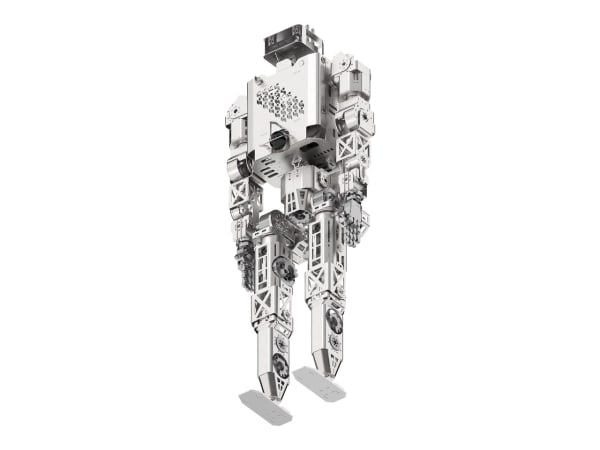
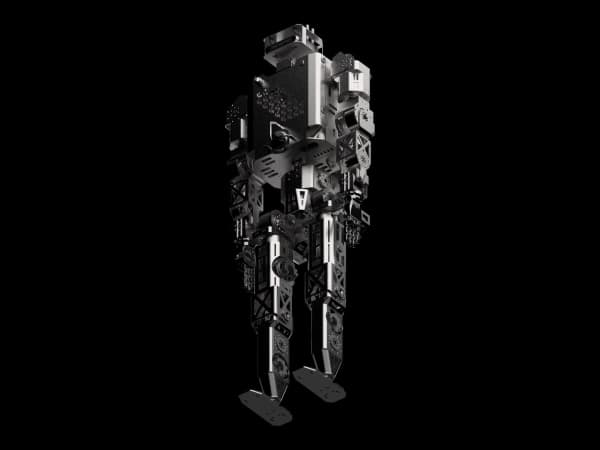
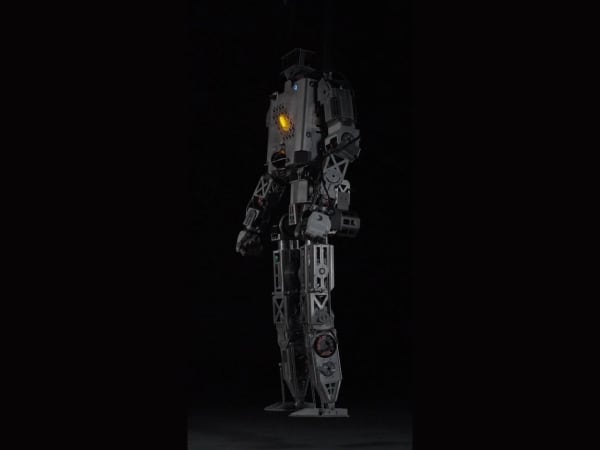
Below images are from Minerva Humanoids's official sources
Review Videos
Watch expert reviews and demonstrations of this robot

Robot Specifications
More Humanoid Robots
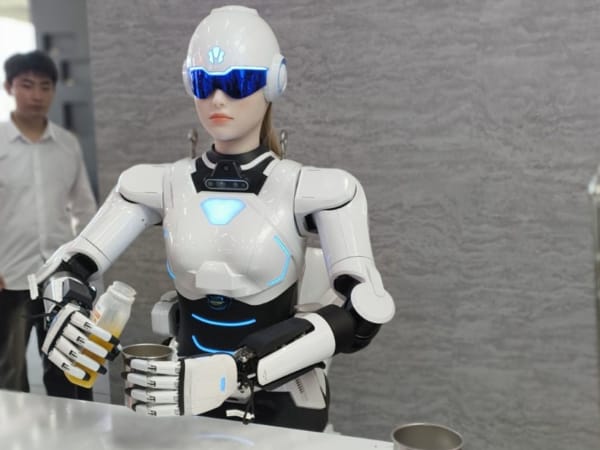
Discover more robots in the same category



Robots From Other Categories
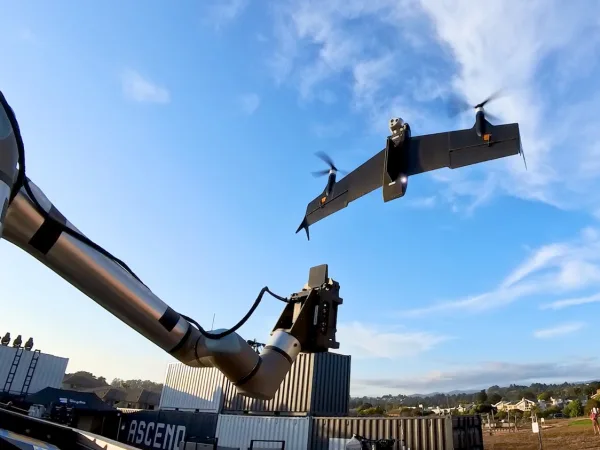
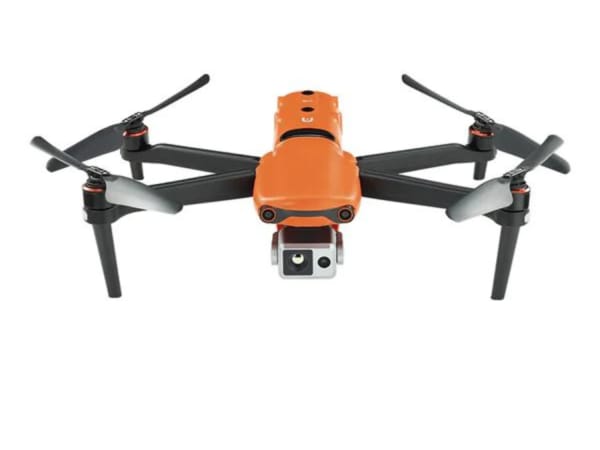
Discover complementary robots from different categories that work well together
Frequently Asked Questions
Get answers to common questions about this robot
Q1. What is Roger, and what problem is it designed to solve?
Roger is a humanoid robot from Minerva Humanoids that does dangerous work in place of people. It lets skilled workers such as bomb technicians and oil and gas operators do their jobs from a safe distance instead of walking into harm's way.
Q2. What are the main capabilities and key features of Roger?
Roger walks over stairs, sand and rubble, keeps its balance and gets back up by itself if it falls, and uses two five-fingered hands to turn valves, handle tools and collect samples. The operator sees through its cameras, feels what its hands touch through haptic gloves, and can talk through it.
Q3. Who is Roger built for, and which industries can benefit from it?
It is built for oil and gas companies, bomb disposal and chemical or radiological response teams, airports and other public-safety agencies that send people into hazardous places today.
Q4. Is Roger a commercial product or still a research prototype?
It is still a prototype. Minerva built it quickly in 2026 and is improving its ruggedness and sensors based on field tests and pilots.
Q5. Is Roger currently available for purchase, and when is it expected to ship?
It is not sold off the shelf. Minerva is starting paid pilots with industry customers in fall 2026 and plans to turn them into service contracts, so interested organizations contact the company directly.
Q6. How does Roger actually work in real-world environments?
A specialist wears a VR headset and haptic gloves in a safe location. Roger's cameras send the view to the headset, the operator's movements are sent to the robot, and Minerva's onboard software handles walking, balance and navigation. If the link drops, Roger stops safely or falls away from critical equipment.
Q7. When was Roger announced or officially launched?
Minerva started designing Roger in early 2026, showed its first prototype to NATO bomb-disposal experts that spring, and unveiled it publicly in October 2026.
Q8. How is Roger different from other robots in the same category?
Most humanoids target factories or homes. Roger is designed for hazardous sites: it is sealed against water and dust, shielded against radio jammers, works in extreme temperatures, uses an encrypted long-range link, and is built in Germany and the US without Chinese components.
Q9. Does Roger require additional development or customization after purchase?
Each deployment is set up with Minerva for the site and the mission. Operators need only brief training, and for autonomous inspection rounds Minerva maps the customer's routes before the robot starts work.
Q10. What is the future roadmap or planned upgrades for Roger?
Minerva plans tougher hardware, better sensor integration and stronger hands, an autonomous return-to-base feature, and gradually more autonomy, moving from remote control toward fully autonomous inspection and fleets of robots.
Rating and Reviews
Share your experience and help others decide!
Loading...
User Reviews
No user reviews. Be the first one to review!
User Comments (No Login needed)
Share your thoughts, experiences, or questions about this robot.
Comments are reviewed before posting.