Humanoid Robots With a Sense of Touch in 2026: Tactile Hands Compared
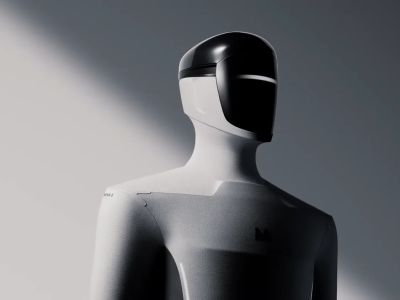
The Short Answer: PaXini Tora One Has the Most Touch Sensors
Six humanoid robots on this list publish real numbers for how their hands feel. PaXini's Tora One leads with nearly 2,000 tactile sensors spread over its two hands. Sharpa's North comes next with more than 1,000 tactile pixels on every fingertip, and Pudu's D9 lists 1,018 tactile pixels across 12 sensing areas in each hand. Figure 03 is the one to read about if you care about the lightest touch: its fingertip sensors register a force of three grams, about the weight of a paperclip.
A tactile sensor is a patch on the robot's hand that tells it where it is touching something and how hard. Without it, a robot hand works like a person wearing thick gloves: it can grip, but it cannot tell when an egg is about to crack or a cup is about to slip. The robots below are ranked by how much touch detail the maker publishes for the hands, then by how many joints the hand can move. Most makers publish only part of the picture, so no single number tells the whole story.
Quick Overview
Here is how the six robots compare on what each maker says about touch. The last column is the figure each one chose to publish, so read it as a list of different measurements, not one shared score.
| Rank | Robot | Manufacturer | Key Strength | Best For | What Is Published About Touch |
|---|---|---|---|---|---|
| #1 | 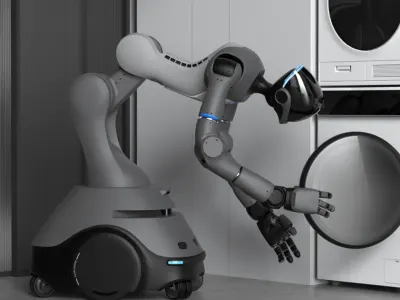 Tora One | PaXini | Nearly 2,000 tactile sensors on the hands | Fine manipulation in factories and care | 1,956 sensors, 13-DoF hands |
| #2 |  North | Sharpa | 22 active joints in each hand | Contact-rich tasks like assembly | Over 1,000 pixels per fingertip |
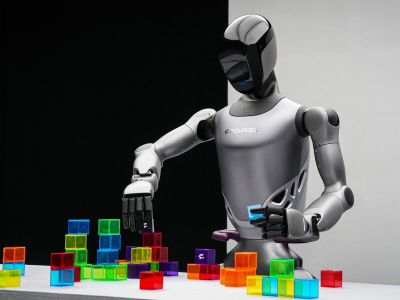
| #3 |  Pudu D9 | Pudu Robotics | Full-sized walking body, 42 degrees of freedom | Service and customer-facing work | 12 sensing areas, 1,018 pixels |
| #4 | 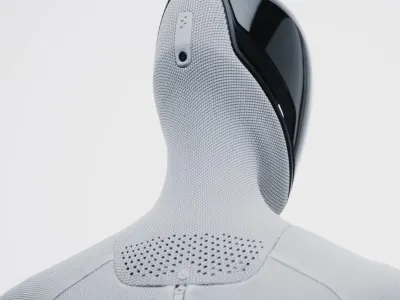 Figure 03 | Figure AI | Fingertip sensors made in house | Home tasks like laundry and dishes | Detects 3 grams of force |
| #5 | 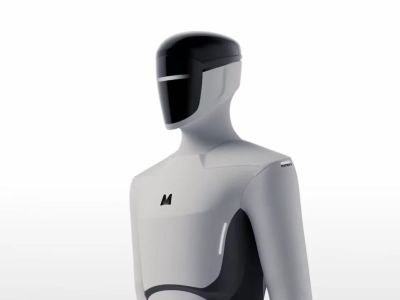 Matrix 3 | Matrix Robotics | Woven bionic skin over the body | Safe work around people | Detects 0.1 newton |
| #6 | 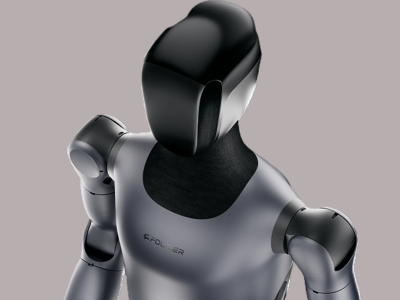 GR-2 | Fourier Intelligence | 53 degrees of freedom, swappable battery | Research on touch-guided grasping | 6 array-type tactile sensors |
Tora One and North publish the most detail. Figure 03 publishes the lightest touch threshold. Matrix 3 is still a prototype, so its touch figure is a claim to watch.
Explore the Robots
Tora One
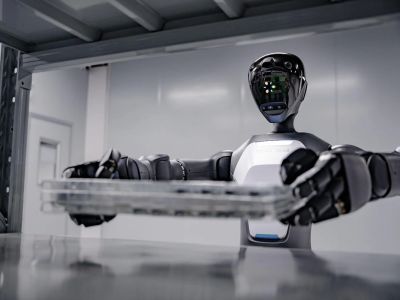
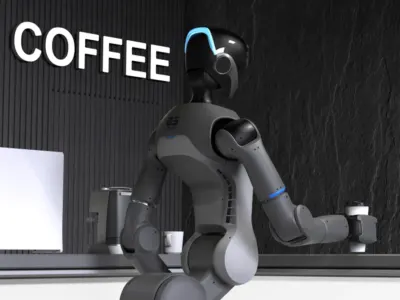
Tora One ranks first because PaXini publishes the biggest tactile sensor count of any humanoid on this list: nearly 2,000 sensors on its two hands, built around the company's own touch technology. PaXini is a Chinese company whose main business is touch sensing, and the robot is its flagship product. Each hand has 13 active joints, so the sensors have a lot of movement to work with. Tora One is a wheeled humanoid that adjusts its height from 1.46 to 1.86 meters and lists a runtime of 8 hours. It has been demonstrated at trade shows doing serving and handling tasks on its own. Its limit is that sensor count says little about how well the robot reads a touch signal. It suits factories, care settings and labs that want the most touch detail now.

North
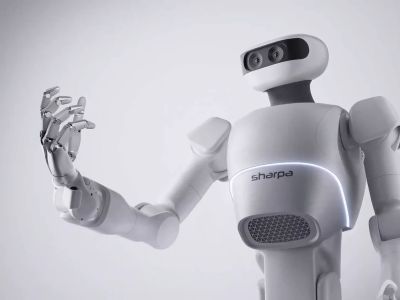
North ranks second because Sharpa publishes a detailed figure for each fingertip: more than 1,000 tactile pixels. Each SharpaWave hand has 22 actively controlled joints and a miniature camera in every fingertip that reads how the skin deforms. The whole robot has 67 degrees of freedom, and Sharpa reports finger positioning within about 2 mm and a hand response time under 0.02 seconds. North was unveiled at CES 2026 with demos such as ping-pong rallies and paper windmill assembly. It weighs 60 kg and runs 4 to 6 hours. Sharpa sells through an enquiry form, so availability is by request. Its limit is a short runtime and a small maker. North suits teams that need fine, contact-rich work such as assembly or lab automation.

Pudu D9
Pudu D9 ranks third because Pudu's own page lists the touch detail of its hand: 12 tactile sensing areas and 1,018 tactile pixels. The DH11 hand has 11 degrees of freedom, with 6 motors driving them, weighs 500 g and grips with up to 30 N. The robot around it is full-sized: 170 cm tall, 65 kg, 42 degrees of freedom and a walking speed of 2 m/s. The arms carry more than 20 kg together, and Pudu says it can climb stairs. Pudu is better known for restaurant delivery robots, which gives it a head start on service work. Its limit is that the hand has fewer joints than North's or Tora One's. D9 suits hotels, shops and restaurants that want a walking humanoid with a documented touch system.
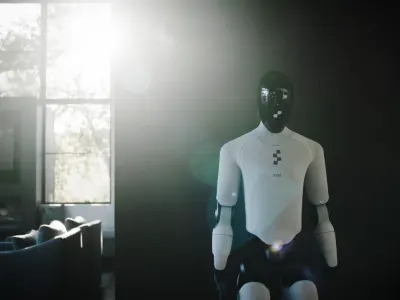
Figure 03
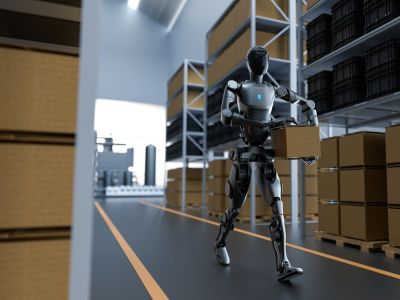
Figure 03 ranks fourth because it publishes the lightest touch threshold on this list rather than a sensor count: each fingertip sensor detects forces as small as three grams. Figure says the tactile sensors on the market could not survive real use, so it developed its own. The fingertips are softer and wider than on the previous model to increase contact area, and each palm has a camera that watches the object being held. The robot weighs 61 kg, lists a 5 hour runtime and runs on Figure's Helix system for home tasks such as laundry and dishes. Its limit is that Figure does not publish a sensor count or a joint count for the hand. Figure 03 suits households and service jobs that handle varied small objects.
Matrix 3
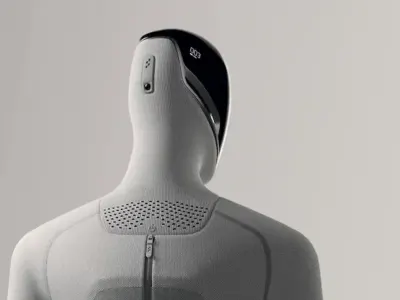
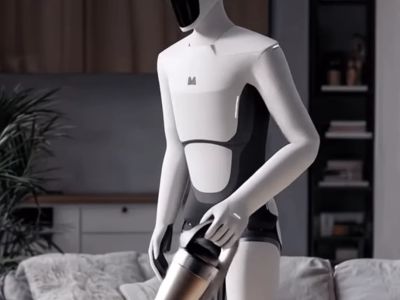
Matrix 3 ranks fifth because the one touch figure its maker publishes covers the whole body as well as the hands. Matrix Robotics describes a 3D woven bionic skin with distributed tactile sensors that can detect forces as small as 0.1 newtons. The robot has a 27-degree-of-freedom hand and is aimed at commercial, industrial and domestic work. It is a prototype from a China-based maker, and the figure comes from the maker's announcement, with demonstration footage as the only public proof so far. Matrix lists no sensor count or runtime. Its limit is that no outside test of the skin exists yet. Matrix 3 suits readers who want to follow a design built for safe contact with people.
GR-2
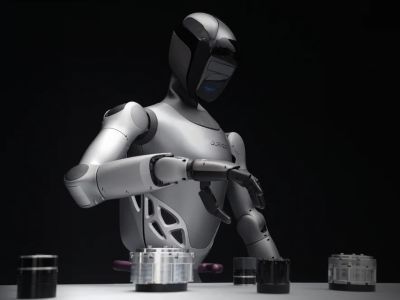
GR-2 ranks sixth because Fourier publishes a simple count: six array-type tactile sensors in each hand. An array is a small grid of touch points, so the hand can feel the shape of what it holds. Fourier says the arrays let the robot sense force, identify shapes and materials, and adjust its grip as it goes. The hands have 12 degrees of freedom, and the full robot stands 175 cm tall, weighs 63 kg and has 53 degrees of freedom. It has a swappable battery with a 2 hour runtime. GR-2 is a research platform that supports common robot software such as ROS. Its limit is that Fourier gives no resolution for each array. GR-2 suits universities and labs studying touch-guided grasping.
How to Choose Between Them
Start with the job. If the work is gentle, such as handling glassware, food or small electronic parts, you want fine touch: a high pixel count like North or Pudu D9, or a very small trigger force like Figure 03. If the work is heavy or rough, such as lifting boxes, you need tough sensors more than sensitive ones, and a hand that is built to be gripped hard and keep working.
Read the number for what it measures. A sensor count tells you how many touch points the hand has. A pixel count tells you how detailed each touch picture is. A force figure tells you the lightest touch the robot can notice. Two robots can both say they have tactile hands while measuring completely different things, so ask the maker to say which of the three it is quoting.
Check where the sensors sit. Fingertips matter most for picking up small things. Palms matter for holding large objects and for knowing when a box is pressed flat against the hand. Fourier's GR-2 lists six sensor arrays per hand, which covers several areas, while Figure 03 puts its sensors in the fingertips and adds a camera in each palm.
Look at how far the robot is from a customer. Figure 03 and Tora One come from makers who show them at work in demonstrations. Matrix 3 is a prototype and its touch figure is a claim from the maker. Treat that as a promise, not a result, until you see it working on your own objects.
A shortcut: pick Tora One or North for the finest touch detail, Pudu D9 for a full-sized walking body with documented hand sensing, Figure 03 for the lightest published touch threshold, and GR-2 if you want a research platform with a documented hand and a swappable battery.
How We Ranked These Robots
We started from every humanoid robot in our database and kept the ones where the maker names tactile sensing in the hands and gives at least one number for it. Robots with only the words tactile hands and no figure were left out, because there is nothing to compare. We also left out any robot whose touch figure appeared only on third-party listings.
Ranking order follows how much the maker discloses about the touch system: a count of sensors, pixels or sensing areas ranks above a single force threshold, and a single force threshold ranks above a plain number of sensor arrays. Ties are broken by how many joints the hand can move, since a hand with more joints can use its touch signal in more ways.
Where a maker has more than one generation, we used the newest one on the site. We read each maker's own page where one was available and checked the figures against at least one outside report. The numbers describe what each maker says its hardware does. They do not measure how well the robot performs real tasks, and none of them compares directly across different sensor types.
Frequently Asked Questions
What is a tactile sensor on a humanoid robot?
It is a sensing patch, usually on a fingertip or palm, that tells the robot where it is touching an object and how hard. Some use a grid of tiny pressure points, and some use a small camera that watches a soft pad change shape. It gives the robot a sense of touch so it can hold fragile things without crushing them and notice when something starts to slip.
Which humanoid robot has the most tactile sensors?
PaXini's Tora One has the largest published count we found: nearly 2,000 tactile sensors on its two hands. Sharpa's North lists more than 1,000 tactile pixels on each fingertip, which is a different measure, so the two numbers cannot be compared directly.
Can a humanoid robot feel as well as a human hand?
Not yet. Human fingertips pick up very fine texture and small slips, and robots report a limited number of touch points. The best hands on this list are close to useful human-level touch for grasping, but no maker claims full parity. The gap shows most on unfamiliar or slippery objects.
Why do robots need touch if they already have cameras?
Cameras cannot see through the robot's own fingers. Once a hand closes around an object, the object is hidden, and the camera cannot tell how hard the hand is squeezing. Touch fills that gap. Figure 03 adds a camera in each palm as well, because the two senses work best together.
What does a force figure like 3 grams mean?
It is the lightest push the sensor can notice. Figure says its fingertip sensors detect three grams of force, about the weight of a paperclip resting on a finger. A smaller number means a more sensitive sensor, but it does not tell you how well the robot responds to what it feels.
Are tactile sensors the same as force sensors?
No. A force sensor measures the total push on a joint or a wrist. A tactile sensor measures where the contact happens and often its shape across the fingertip. Many humanoids have force sensors in the wrists. Fewer have tactile sensors in the fingers, and fewer still publish numbers for them.
Does a higher pixel count mean better touch?
Not on its own. More pixels give a more detailed touch image, but the robot also needs software that can read that image quickly and act on it. Check the sampling speed, the lightest force detected and demonstrations of real tasks, not only the pixel count.
Sources
- Tora One Profile
- North Profile
- Pudu D9 Profile
- Figure 03 Profile
- Matrix 3 Profile
- GR-2 Profile
- Introducing Figure 03
- PUDU D9 | Full-Sized Bipedal Humanoid Robot for Object Manipulation and Customer Engagement
- Humanoid robots touch the world, starting from 2000 sensors | Product Observation
- Robot hand SharpaWave with sensitive robotics
- Fourier launches GR-2 humanoid, software platform
Related Articles
Best Dancing Humanoid Robots in 2026, Ranked by Real Performances
11/10/2026
Humanoid Robots With Swappable Batteries in 2026: Which Can Work Around the Clock?
11/9/2026

Indian Humanoid Robots in 2026: Every Made in India Model Ranked
11/8/2026
Teleoperated Humanoid Robots in 2026: Which Ones a Person Can Drive Remotely
11/13/2026

Humanoid Robots Running NVIDIA Jetson Thor in 2026: Which Ones Ship?
11/12/2026
Humanoid Robots That Can Climb Stairs in 2026: Step Heights and Loads Compared
11/11/2026