Apollo 2
Last updated:
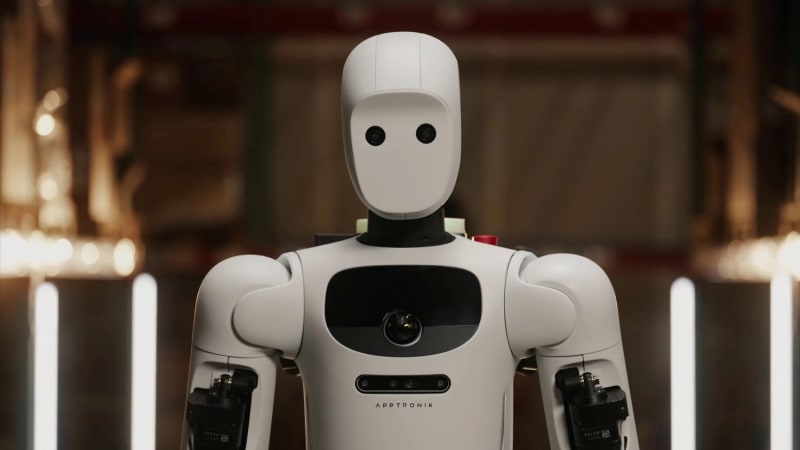
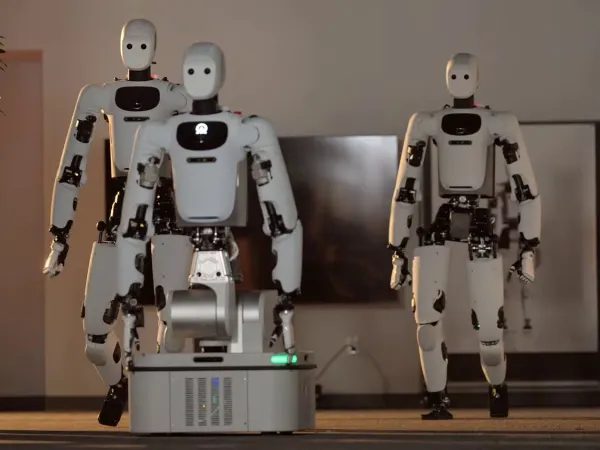
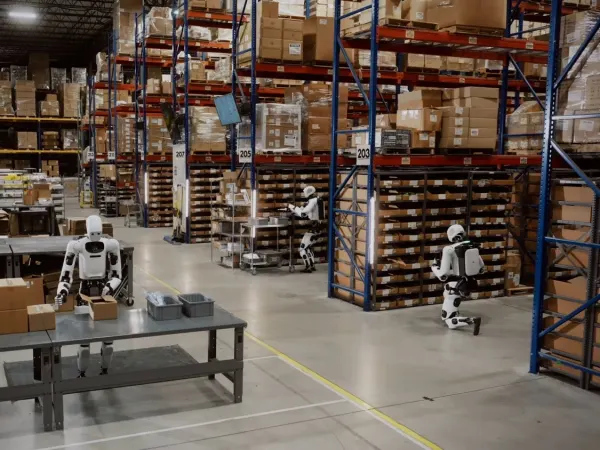
Apollo 2 is a next-generation modular humanoid robot engineered for the demanding realities of warehouse logistics and manufacturing. Standing 5'8" (172 cm) tall and weighing 160 lbs (73 kg), it matches human scale to operate safely alongside workers. The robot features a swappable battery architecture enabling approximately 4 hours of operation per pack, supporting continuous "7x22" workflows with minimal downtime. It can lift and carry payloads up to 55 lbs (25 kg), making it ideal for moving crates, totes, and boxes. Apollo 2 supports dual mobility modes: bipedal legs for human environments and a wheeled base for warehouse floors. Powered by Apptronik's proprietary high-efficiency actuators and a three-layer software stack including Artemis motion control, it targets six key applications such as goods-to-person retrieval, packout, and machine tending.
Quick Overview & Key Facts
Apollo 2 is a humanoid robot made by Apptronik in United States, launched in 2026 and built for specific industries and applications (goods-to-person, packout, automotive kitting, quality inspection, machine tending). Its estimated price is $80,000/year. Featured in “Top 5 Humanoid Robots Being Developed for Defense, Security & First Responders in 2026” and “Top 10 Heavy-Duty Industrial Humanoid Robots for Automotive & Factory Assembly in 2026”.
- Dimensions
- 172 x 45 x 35 cm
- Weight
- 73 kg
- Mobility
- Legged (bipedal walking)
- Top speed
- 5.4 km/h (1.5 m/s)
- Handles
- Tools, packages, precision instruments, people interaction
- Battery runtime
- 4 hours on full charge
- Charging time
- 1.5 hours
- Sensors
- RGB cameras, stereo cameras, IMU, gyroscope, force sensors, joint torque sensors
- Operating environment
- Indoor, outdoor, both
What Can Apollo 2 Do?
Core operational tasks and activities demonstrated or performed by Apollo 2.
Real-World Applications of Apollo 2
Industries, working environments, and deployment suitability for Apollo 2.
Apollo 2 Capabilities
Inherent physical, perceptual, and cognitive abilities built into Apollo 2.
Download Media Cards
Story CardExport high-resolution story cards summarizing Apollo 2's operational tasks, real-world applications, and capabilities.
Image Gallery
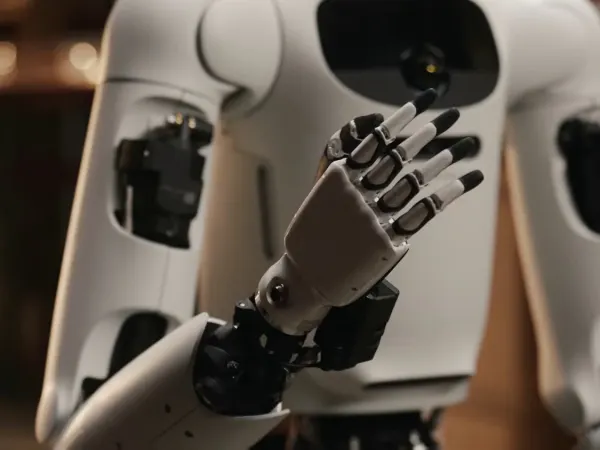
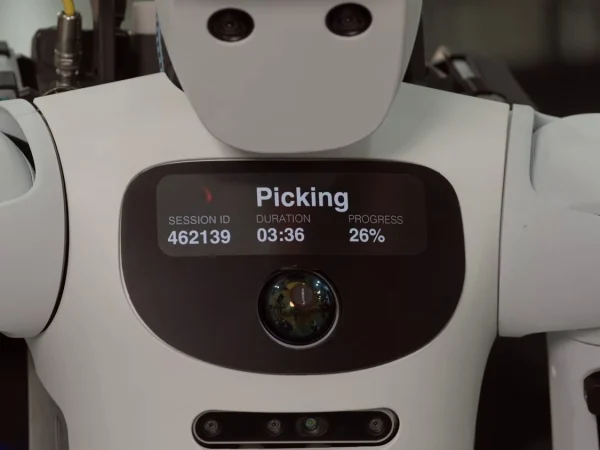
Below images are from Apptronik's official sources
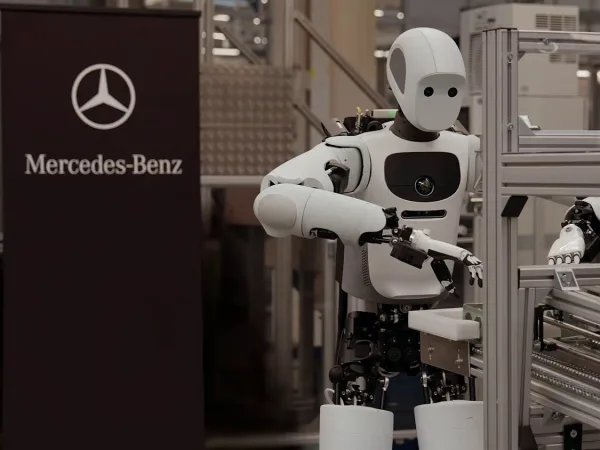
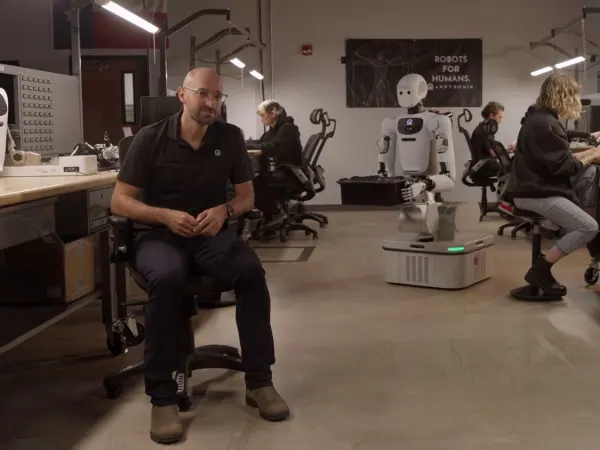
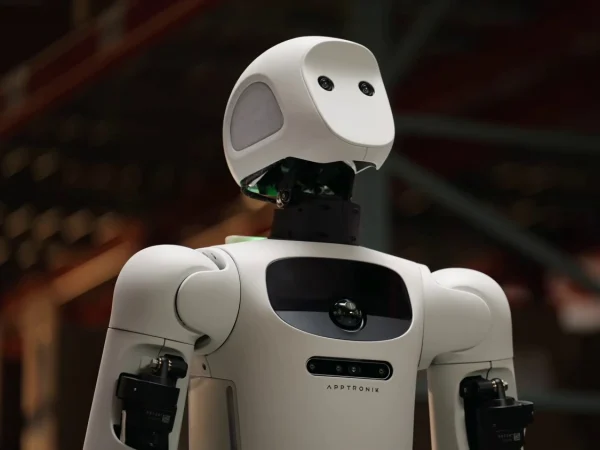
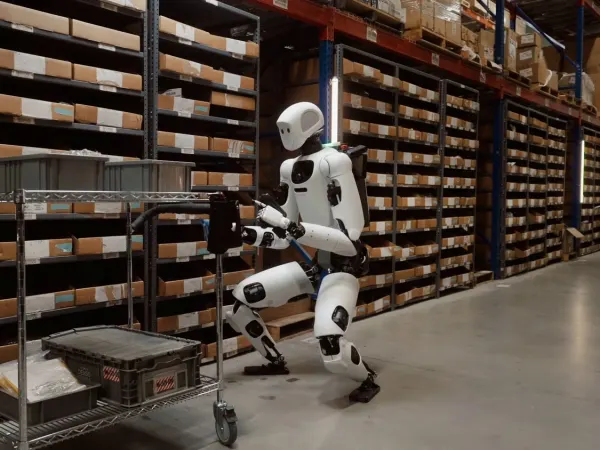
Review Videos
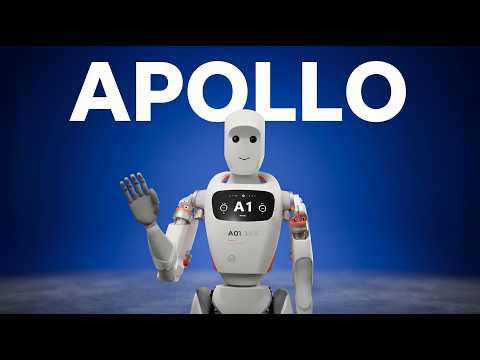
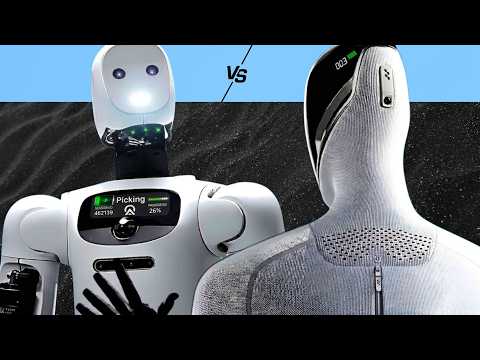
Watch expert reviews and demonstrations of this robot

Robot Specifications
Robot Timeline
Key milestones in this robot's development and rollout
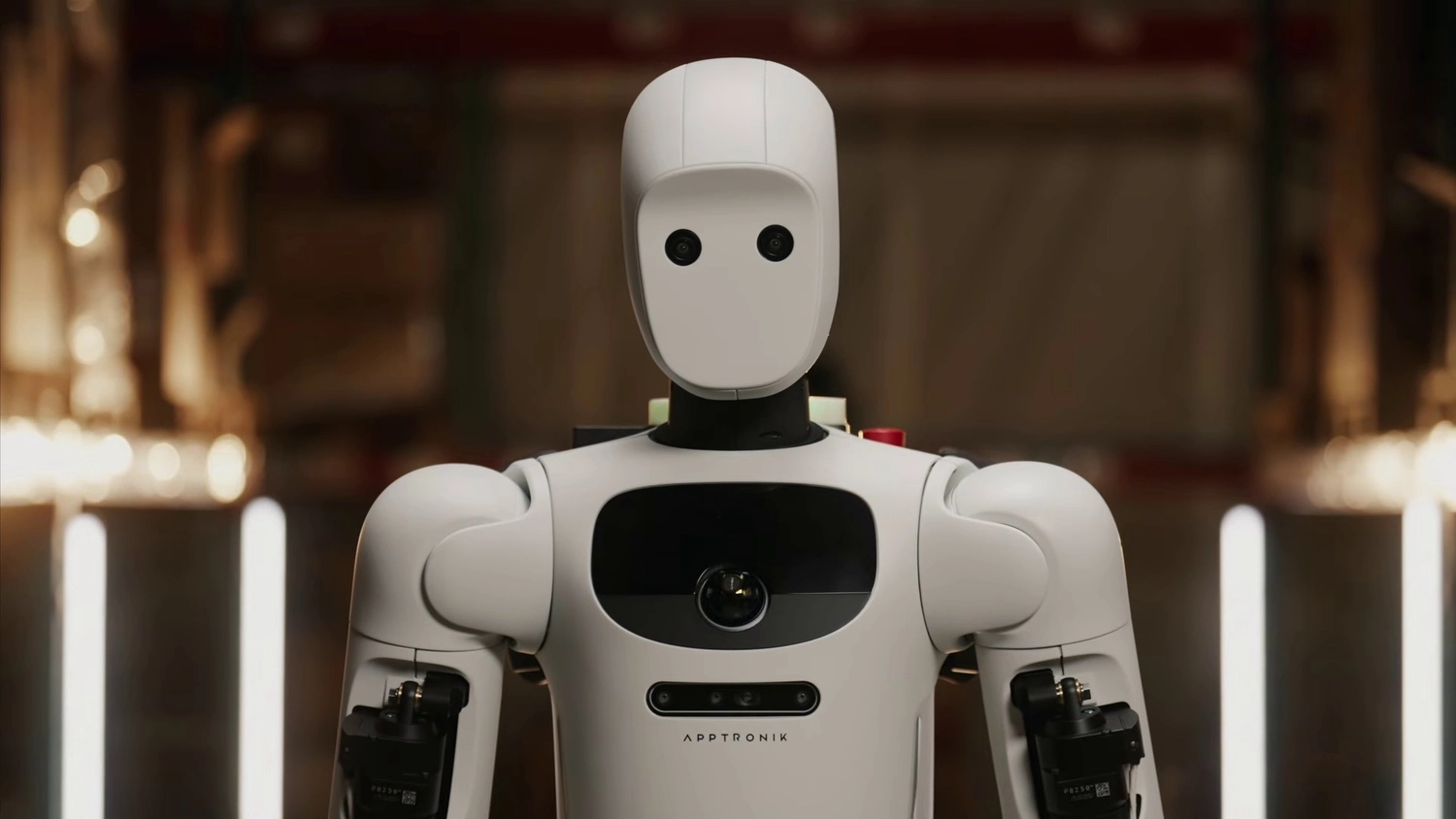
Apptronik unveils Apollo 2 in bipedal and wheeled configurations and opens its nearly 90,000 sq ft Robot Park in Austin, whose data feeds Google DeepMind's Gemini Robotics models.
Source: Robotics 24/7 ↗
Latest News About Apollo 2
Stay updated with the latest articles and developments
Apollo 2 Also Mentioned in Below Articles
Find out how this model stacks up against the world's best robots

More Robots from Apptronik
Explore other robots from this manufacturer
Apollo
Manufactured by Apptronik
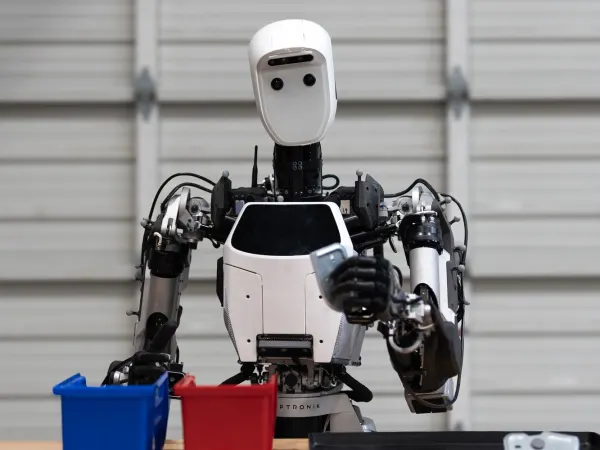
Apollo is a next-gen humanoid robot built for real-world work. Standing nearly as tall as a human, Apollo is engineered to perform physical tasks in logistics, manufacturing, and services. With a sleek design, modular build, and the ability to safely interact with humans, Apollo brings a sci-fi vision to life. It’s not just a concept — it’s a practical, strong, and intelligent workforce assistant that can lift 25 kg, move with grace, and even be remotely operated or AI-powered. Apollo is where robotics meets reality.
More Humanoid Robots
Discover more robots in the same category
Robots From Other Categories
Discover complementary robots from different categories that work well together
Frequently Asked Questions
Get answers to common questions about this robot
Q1. What is Apollo 2, and what problem is it designed to solve?
Apollo 2 is a next-generation humanoid robot by Apptronik designed for real-world mobility, manipulation, and interaction to address labor shortages in logistics and manufacturing.
Q2. What are the main capabilities and key features of Apollo 2?
The robot stands 5ft 8in tall, weighs 72kg, lifts 25kg, and uses a swappable battery for approximately four hours of operation to enable 7x22 shifts.
Q3. Who is Apollo 2 built for, and which industries can benefit from it?
It targets warehouse logistics and manufacturing, with six commercial applications including goods-to-person, packout, automotive kitting, quality inspection, and machine tending.
Q4. Is Apollo 2 a commercial product or still a research prototype?
Apollo 2 is positioned as a commercial product intended for real-world work shifts, distinct from earlier prototype or alpha versions of the original Apollo.
Q5. Is Apollo 2 currently available for purchase, and when is it expected to ship?
As of mid-2026, the robot was unveiled quietly with no public press release; commercial availability timelines depend on distributor fulfillment following initial pre-orders.
Q6. How does Apollo 2 actually work in real-world environments?
It operates using a three-layer software platform including Artemis motion control and Fleet Connect orchestration, supporting bipedal legs or a wheeled base for warehouse floors.
Q7. When was Apollo 2 announced or officially launched?
Apptronik unveiled Apollo 2 on June 28, 2026, via an updated product page without a formal press release or viral video.
Q8. How is Apollo 2 different from other robots in the same category?
Unlike robots chasing viral parkour, Apollo 2 is built pragmatically for shift work, offering modular mobility with bipedal or wheeled options and high-energy-efficient actuators.
Q9. Does Apollo 2 require additional development or customization after purchase?
Customers can choose bipedal or wheeled configurations, while development partners are intended to extend solutions beyond the six initial commercial applications.
Q10. What is the future roadmap or planned upgrades for Apollo 2?
The company plans to expand availability from early commercial deployments in logistics toward broader applications, with Apollo 3 identified as a next-generation model in training.
Rating and Reviews
Share your experience and help others decide!
Loading...
User Reviews
No user reviews. Be the first one to review!
User Comments (No Login needed)
Share your thoughts, experiences, or questions about this robot.
Comments are reviewed before posting.