
Martian
Last updated:
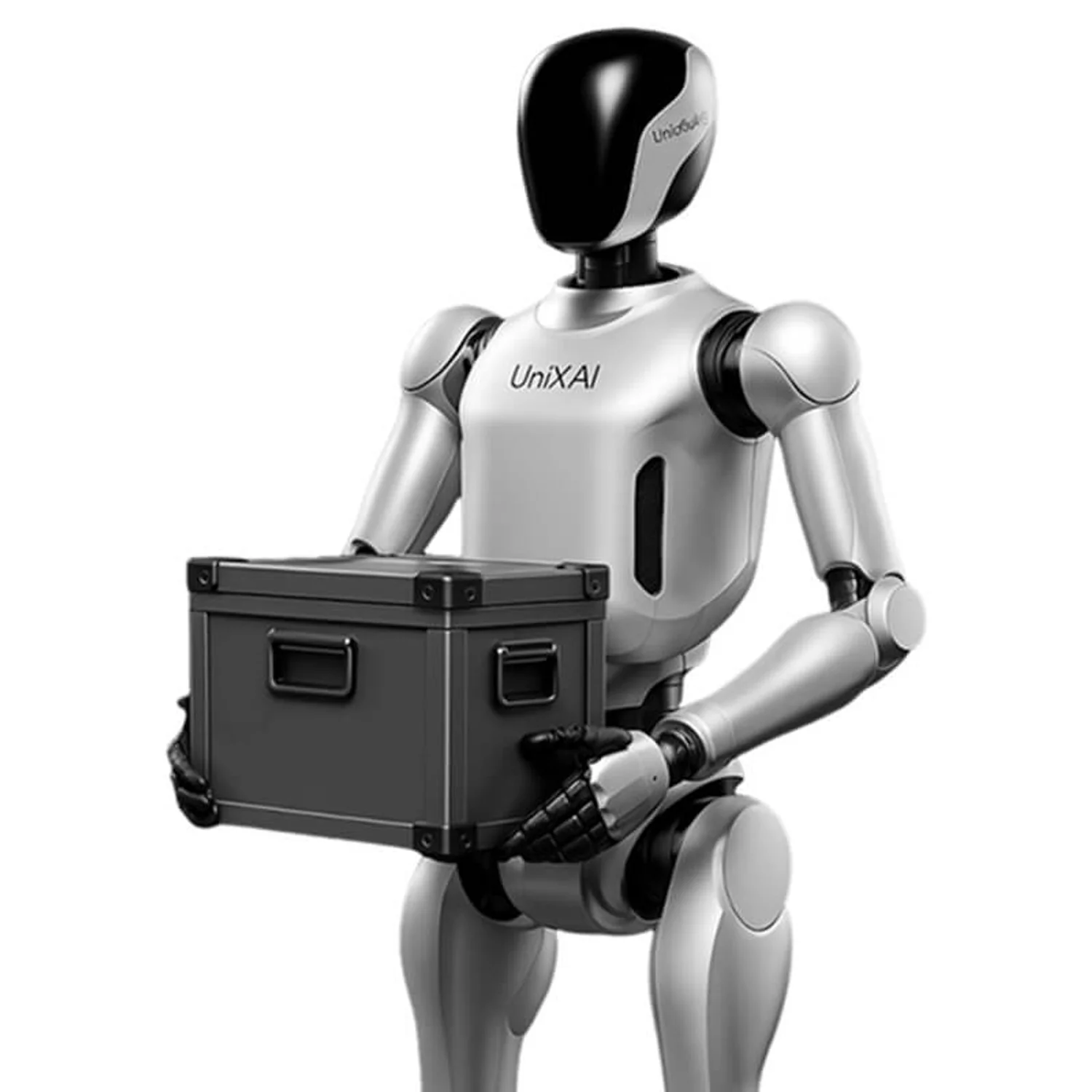
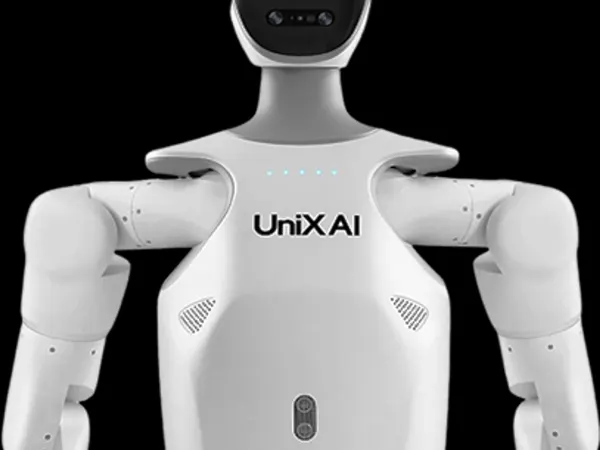
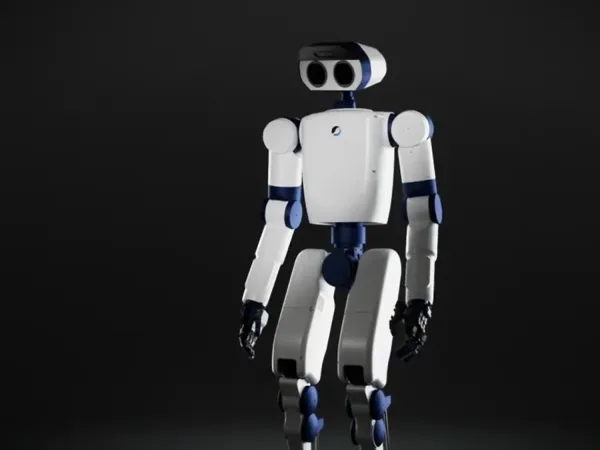
The UniX AI Martian is a bipedal, general-purpose humanoid robot designed for versatile deployment in research, service, and industrial environments. Featuring a 16-DOF system, it delivers stable walking, precise object manipulation, and advanced balancing. Its high-torque actuators enable smooth, strong motion, while integrated sensors and AI-driven perception support autonomous navigation and task execution. The Martian is built for multi-scenario applications, including logistics, manufacturing, and household assistance, with modular hardware and robust software integration for adaptability and scalability.
Quick Overview & Key Facts
Martian is a humanoid system developed by UniX AI in China and launched in 2025. Starting price is estimated at $100,000 - $150,000. It is currently ranked #229 in most-viewed humanoid robots on Origin of Bots. It supports Tools, packages, precision instruments, people interaction. Operating battery runtime is rated at 4 hours. Primary applications include Logistics, manufacturing, household assistance, research, service industries. Featured in editorial articles including “UniX AI Unveils Martian Humanoid Redefining Service Robotics”.
What Can Martian Do?
Core operational tasks and activities demonstrated or performed by Martian.
Real-World Applications of Martian
Industries, working environments, and deployment suitability for Martian.
Martian Capabilities
Inherent physical, perceptual, and cognitive abilities built into Martian.
Download Media Cards
Story CardExport high-resolution story cards summarizing Martian's operational tasks, real-world applications, and capabilities.
Image Gallery
Below images are from UniX AI's official sources
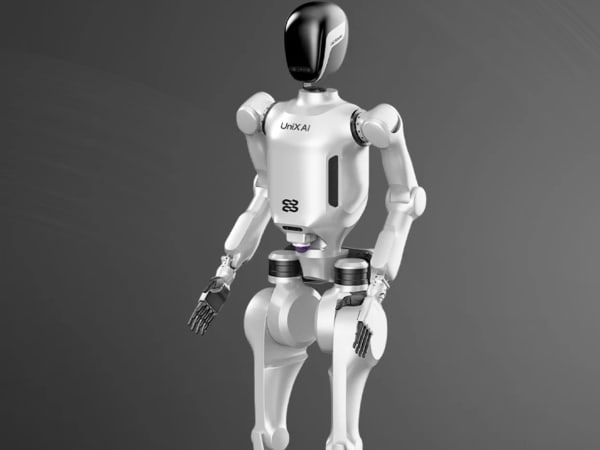
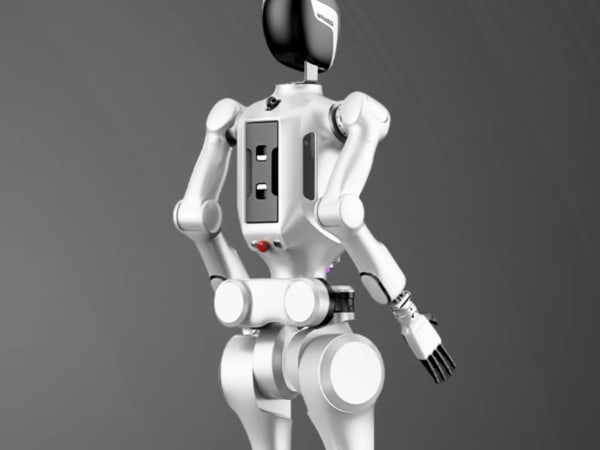

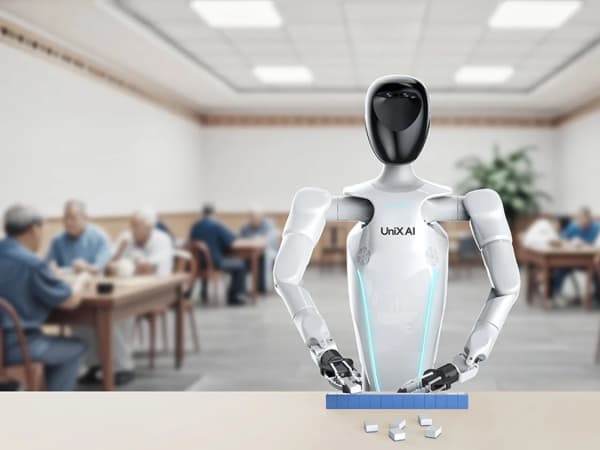
Review Videos
Watch expert reviews and demonstrations of this robot



Robot Specifications
Robot Timeline
Key milestones in this robot's development and rollout
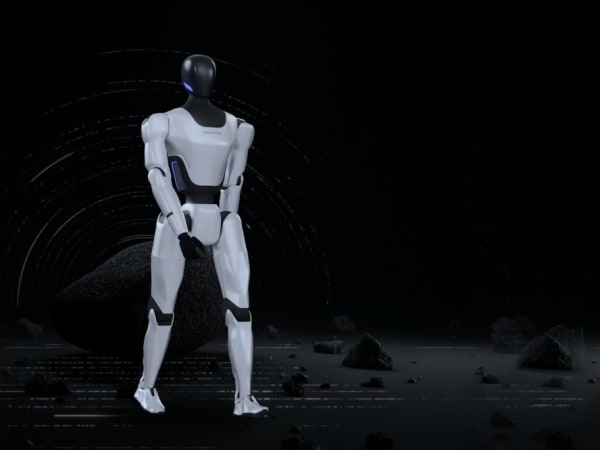
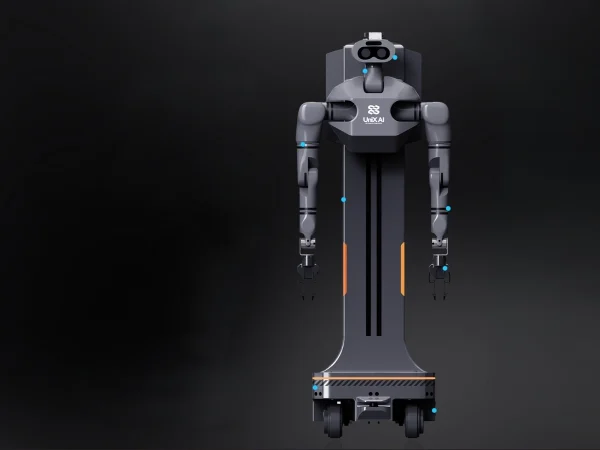
UniX AI makes its official CES 2026 debut with its humanoid lineup, which includes the bipedal Martian alongside Wanda and Panther.
Source: Interesting Engineering ↗
Latest News About Martian
Stay updated with the latest articles and developments
Compare This Robot With Others
See how Martian stacks up against other leading robotics models in detailed side-by-side technical comparisons.



More Robots from UniX AI
Explore other robots from this manufacturer
More Humanoid Robots
Discover more robots in the same category
Robots From Other Categories
Discover complementary robots from different categories that work well together

Frequently Asked Questions
Get answers to common questions about this robot
Q1. What is Martian, and what problem is it designed to solve?
Martian is a bipedal humanoid robot from UniX AI, designed for general-purpose tasks in research, service, logistics, and light industrial settings.
Q2. What are the main capabilities and key features of Martian?
According to UniX AI, Martian supports autonomous navigation, object manipulation, human-robot interaction, and modular hardware and software integration for diverse tasks.
Q3. Who is Martian built for, and which industries can benefit from it?
Martian is intended for robotics laboratories, service providers, logistics operations, light manufacturing, and experimental household assistance scenarios.
Q4. Is Martian a commercial product or still a research prototype?
As described by UniX AI, Martian is positioned as a general-purpose commercial humanoid platform, suitable for both applied research and early service deployments.
Q5. Is Martian currently available for purchase, and when is it expected to ship?
As of 2025, Martian has been announced as a launched model; availability and shipping timelines depend on UniX AI and distributor arrangements.
Q6. How does Martian actually work in real-world environments?
Martian combines onboard sensors and AI-based perception to walk, balance, recognize objects, and execute scripted or programmed tasks in structured indoor environments.
Q7. When was Martian announced or officially launched?
Public listings indicate that Martian was launched in 2025, following UniX AI’s announcement of the platform as its latest humanoid robot model.
Q8. How is Martian different from other robots in the same category?
Martian is described as a compact, general-purpose biped focused on multi-scenario deployment, emphasizing modularity and software integration rather than a single specialized use case.
Q9. Does Martian require additional development or customization after purchase?
According to UniX AI, Martian can be programmed via APIs and is often customized with application-specific software and integrations for particular deployments.
Q10. What is the future roadmap or planned upgrades for Martian?
The company has announced plans to expand Martian’s software ecosystem, improve autonomy, and broaden deployments from research and pilot services to wider commercial use.
Rating and Reviews
Share your experience and help others decide!
Loading...
User Reviews
No user reviews. Be the first one to review!
User Comments (No Login needed)
Share your thoughts, experiences, or questions about this robot.
Comments are reviewed before posting.