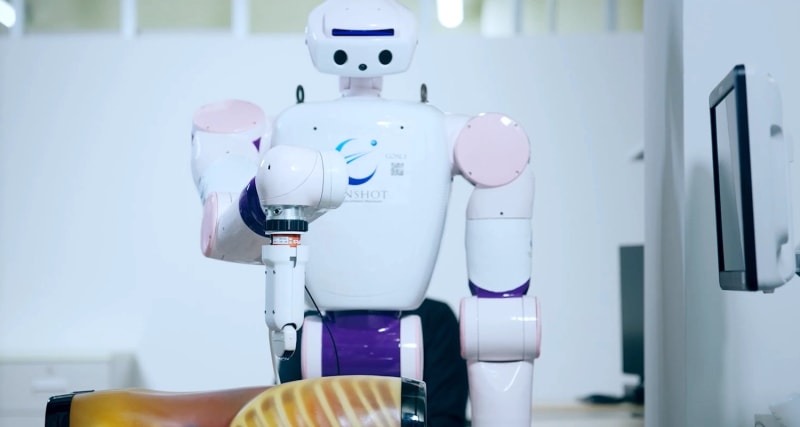
AIREC
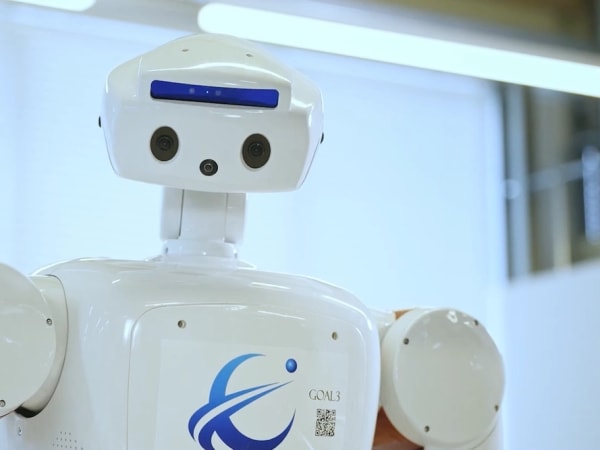
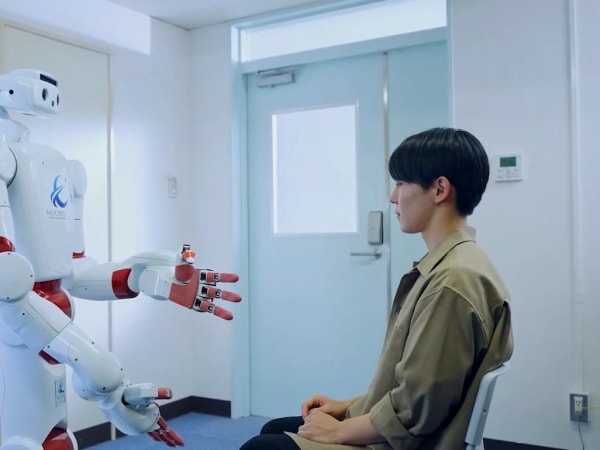
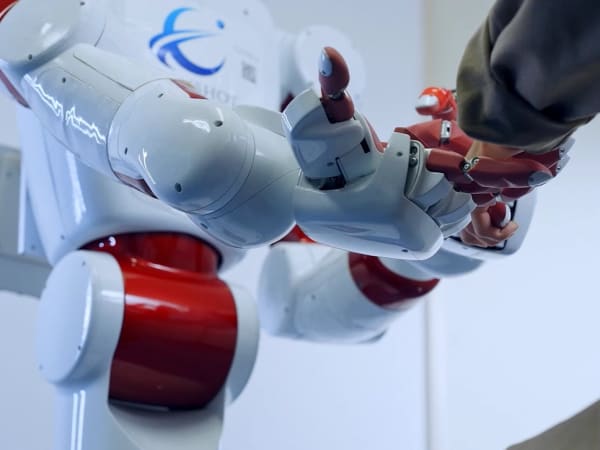
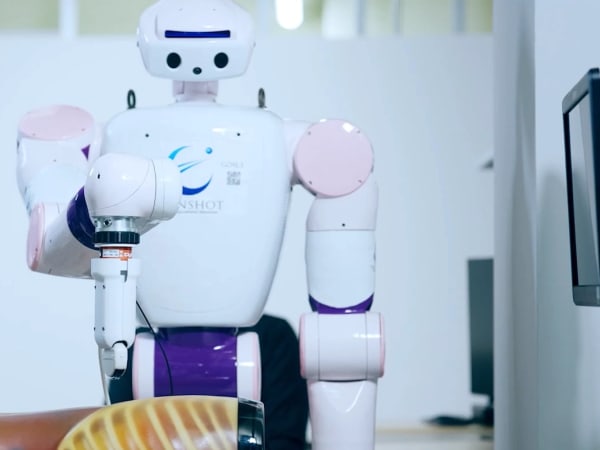
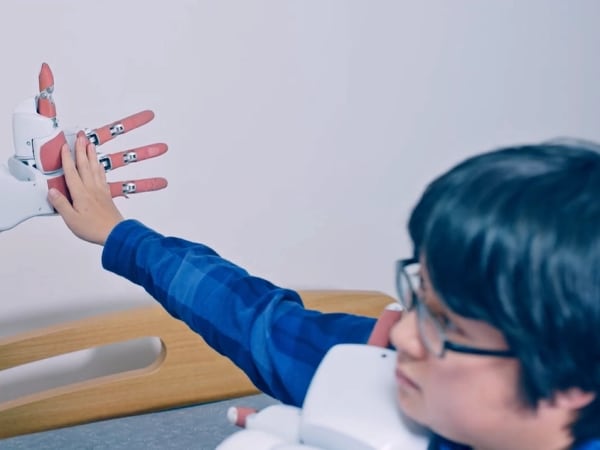
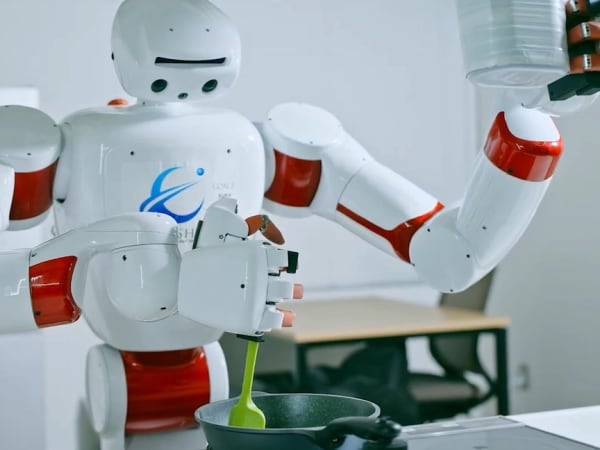
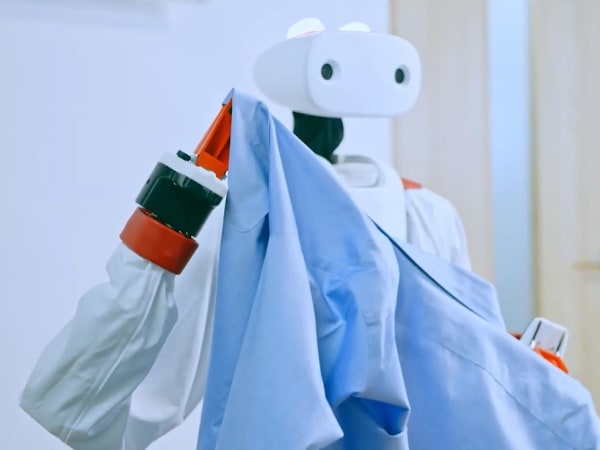
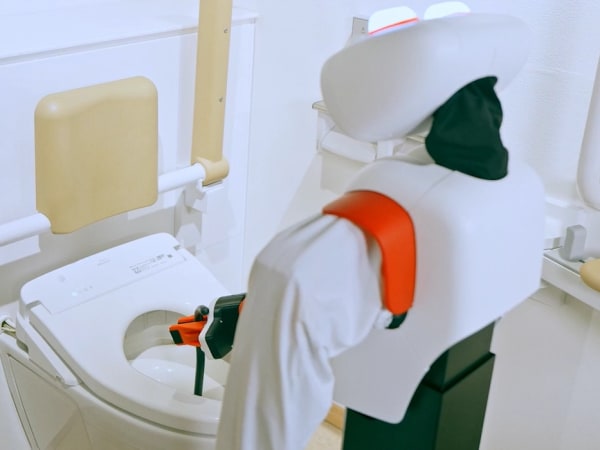
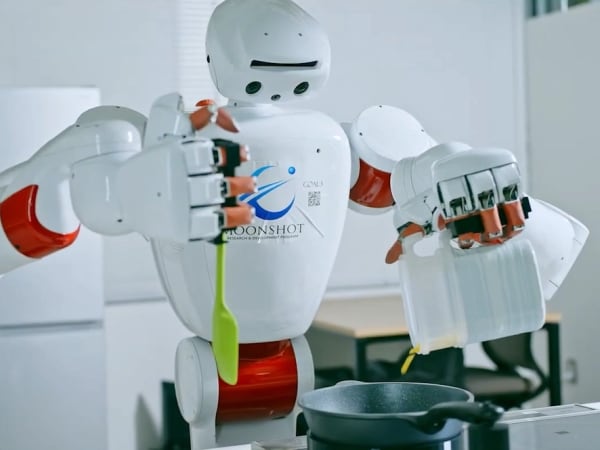
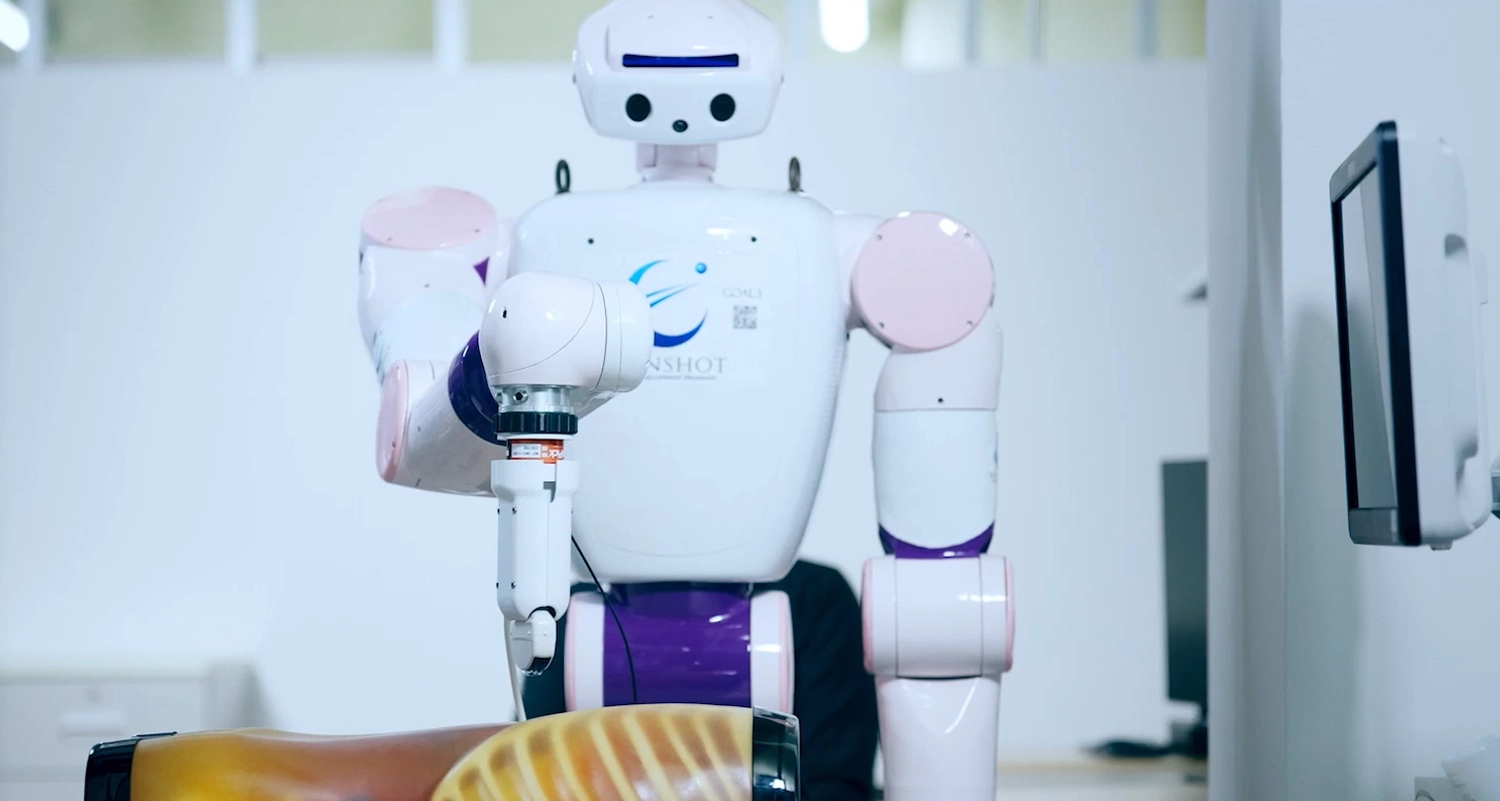
AIREC is a humanoid robot developed by Waseda University under Japan's JST Moonshot Program, specializing in elderly care and medical assistance. Standing 154 cm tall and weighing 150 kg, it features bipedal design with advanced AI for real-time human movement recognition, force adjustment, and adaptive behaviors. Key capabilities include patient repositioning to prevent bedsores, assisting with dressing like putting on socks, joint rehabilitation, biometric data acquisition (heart rate, blood pressure, body temperature), ultrasound examinations, and basic cooking motions. Powered by deep neural networks for predictive joint movements and embodied intelligence, AIREC integrates multimodal learning from human demonstrations, enabling natural physical interactions, emotional expression, and semi-autonomous caregiving tasks in nursing environments. Variants like Dry-AIREC emphasize safe, pain-free support for daily activities, bridging the gap in Japan's aging society.
Quick Overview & Key Facts
AIREC is a humanoid system developed by Waseda University in Japan and launched in 2021. Starting price is estimated at Research prototype. It is currently ranked #131 in most-viewed humanoid robots on Origin of Bots. It supports People interaction, precision instruments. Operating battery runtime is rated at 4 hours on full charge. Primary applications include Elderly care (repositioning, dressing, rehab), medical exams (ultrasound), biometrics, cooking assistance. Featured in editorial articles including “Waseda’s AIREC pushes humanoid care robots toward teleoperation-first nursing tasks”.
What Can AIREC Do?
Core operational tasks and activities demonstrated or performed by AIREC.
Real-World Applications of AIREC
Industries, working environments, and deployment suitability for AIREC.
AIREC Capabilities
Inherent physical, perceptual, and cognitive abilities built into AIREC.
Download Media Cards
Story CardExport high-resolution story cards summarizing AIREC's operational tasks, real-world applications, and capabilities.
Image Gallery
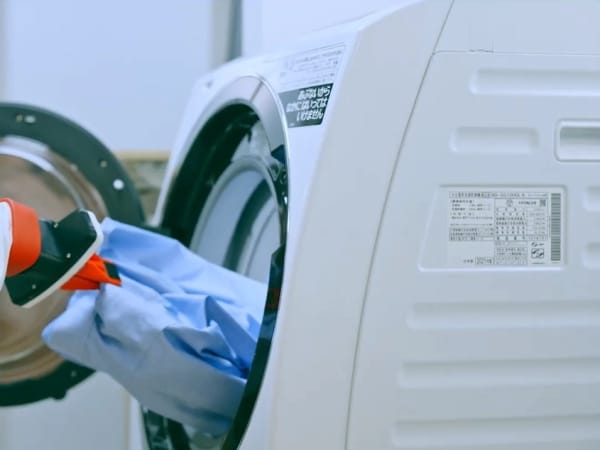
Below images are from Waseda University's official sources
Review Videos
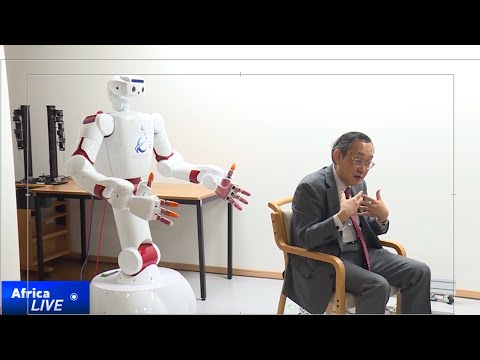
Watch expert reviews and demonstrations of this robot



Robot Specifications
Latest News About AIREC
Stay updated with the latest articles and developments
More Humanoid Robots
Discover more robots in the same category



Robots From Other Categories
Discover complementary robots from different categories that work well together


Frequently Asked Questions
Get answers to common questions about this robot
Q1. What is AIREC, and what problem is it designed to solve?
AIREC is a humanoid robot under development by Waseda University in Japan's JST Moonshot Program, designed to address caregiver shortages through tasks like elderly care and household assistance.
Q2. What are the main capabilities and key features of AIREC?
AIREC demonstrates capabilities in semi-autonomous household tasks, nursing care, medical treatment, emotional interaction, and biometric data acquisition via physical contact.
Q3. Who is AIREC built for, and which industries can benefit from it?
AIREC targets caregiving and healthcare sectors, particularly for elderly support in aging populations, with potential applications in household and medical assistance.
Q4. Is AIREC a commercial product or still a research prototype?
AIREC remains a research prototype developed under the JST Moonshot Program, focused on advancing embodied AI technologies.
Q5. Is AIREC currently available for purchase, and when is it expected to ship?
As of 2026, AIREC is not commercially available; it is in research development with no announced shipping timeline.
Q6. How does AIREC actually work in real-world environments?
AIREC operates semi-autonomously in real-world settings by integrating AI for environmental adaptation, human interaction, and tasks like patient repositioning through physical contact.
Q7. When was AIREC announced or officially launched?
AIREC was announced as part of Waseda University's JST Moonshot Program initiatives, with development ongoing since around 2021.
Q8. How is AIREC different from other robots in the same category?
AIREC emphasizes embodied intelligence co-evolving AI and hardware for lifelong human companionship, differing from task-specific robots by targeting multi-domain semi-autonomy.
Q9. Does AIREC require additional development or customization after purchase?
As a research prototype, AIREC would require further development and customization for specific deployments, per program goals.
Q10. What is the future roadmap or planned upgrades for AIREC?
The program targets routine autonomy by 2025 and cooperative autonomy by 2030, aiming for evolved intelligence in human-robot interaction.
User Comments (No Login needed)
Share your thoughts, experiences, or questions about this robot.
Comments are reviewed before posting.