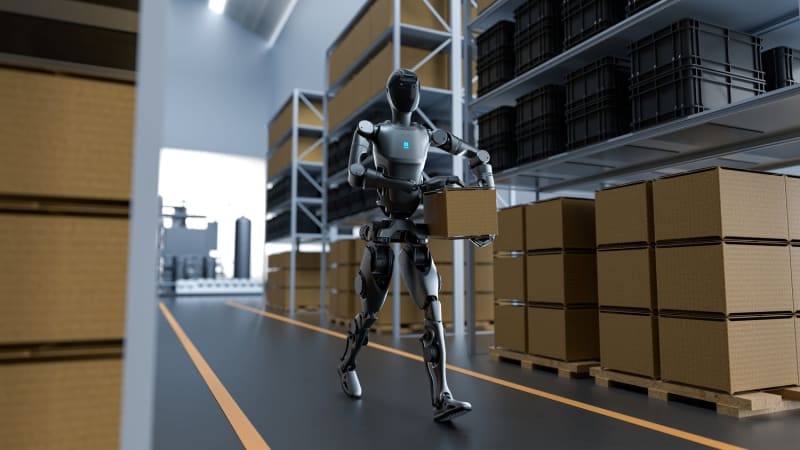
Pudu D9
AI ChatLast updated:
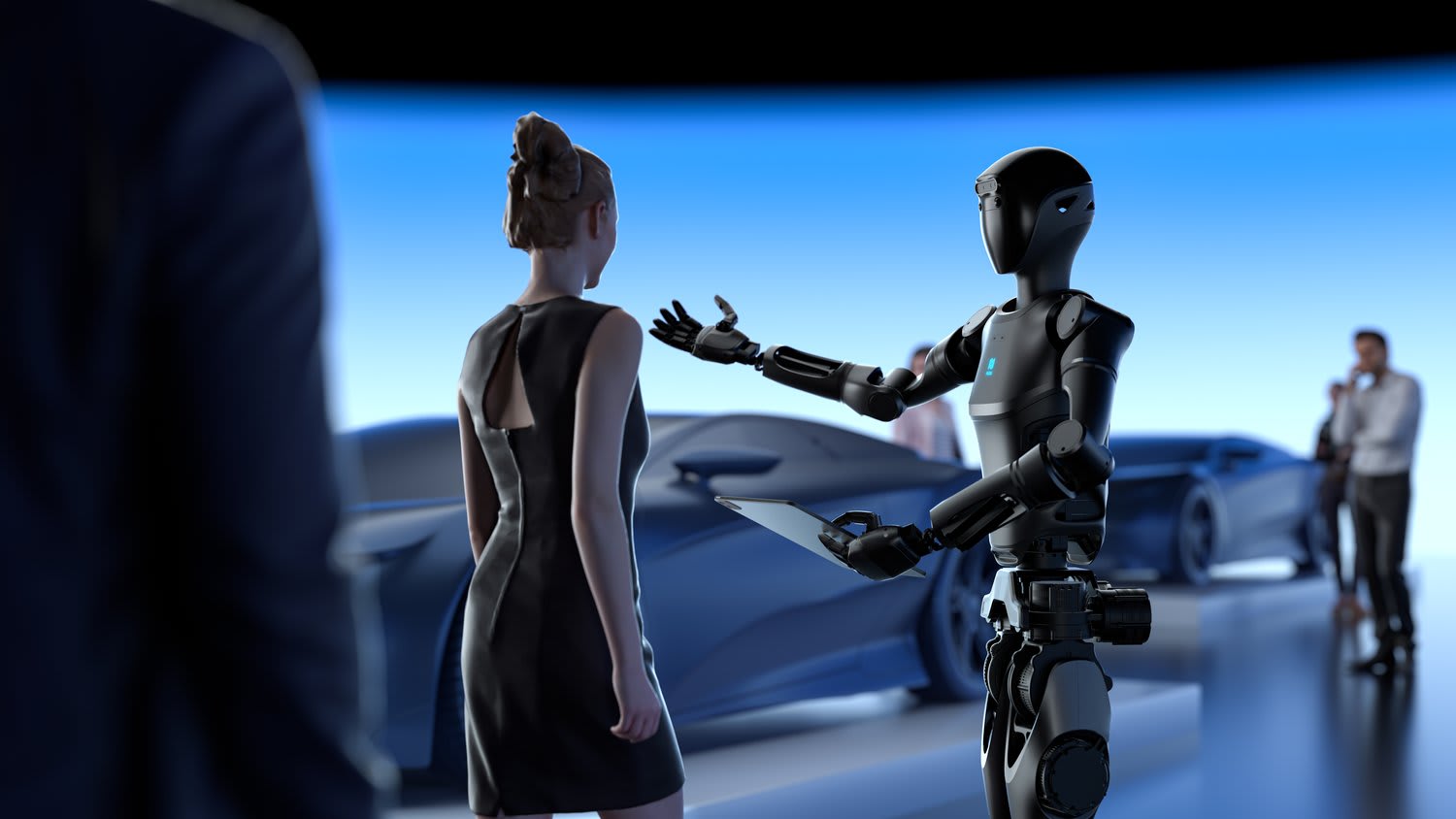
The PUDU D9 is a full-sized bipedal humanoid robot designed to replicate adult human proportions with a height of 170 cm and weight of 65 kg. It features 42 degrees of freedom enabling fluid, human-like motion, including dual 7-DoF arms equipped with the PUDU DH11 dexterous hand offering 11 degrees of freedom for precise manipulation. The robot can walk at speeds up to 2 m/s, navigate stairs and slopes, and perform complex tasks requiring both strength and delicacy with a payload capacity exceeding 20 kg. Advanced sensors including RGB, RGBD cameras, tactile sensors, and IMU support real-time 3D semantic mapping and autonomous navigation. Powered by AI and reinforcement learning, the D9 adapts quickly to diverse commercial and research applications, making it suitable for service, industrial automation, and exploration in unstructured environments.
Quick Overview & Key Facts
Pudu D9 is a humanoid robot made by Pudu Robotics in China, launched in 2025 and built for industrial automation, service robotics, and research and development. Its estimated price is $150,000 - $200,000. Featured in “Pudu D9 Humanoid Flexes 352Nm Torque, 20kg Payload”.
- Dimensions
- 170 x 50 x 40 cm (shoulder width and depth
- Weight
- 65 kg
- Mobility
- Legged (bipedal walking)
- Top speed
- 2 m/s (7.2 km/h) max walking speed
- Handles
- Tools, packages, precision instruments, human interaction
- Battery runtime
- 4 hours
- Charging time
- 2 hours
- Sensors
- RGB cameras, RGBD cameras, tactile sensors (12 tactile sensing areas, 1018 pixels), IMU, force sensors, auditory sensors
- Operating environment
- Indoor and outdoor
What Can Pudu D9 Do?
Core operational tasks and activities demonstrated or performed by Pudu D9.
Real-World Applications of Pudu D9
Industries, working environments, and deployment suitability for Pudu D9.
Pudu D9 Capabilities
Inherent physical, perceptual, and cognitive abilities built into Pudu D9.
Image Gallery
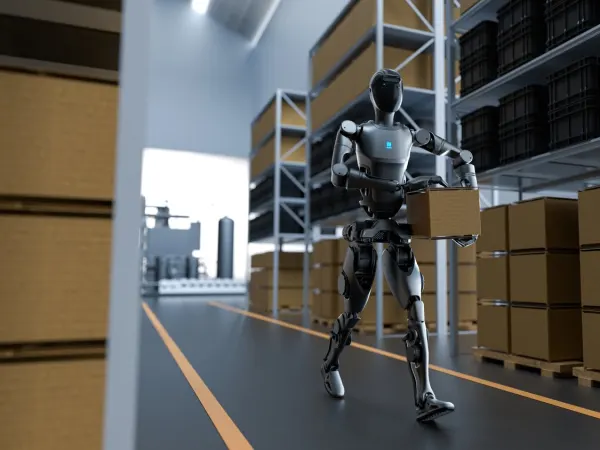
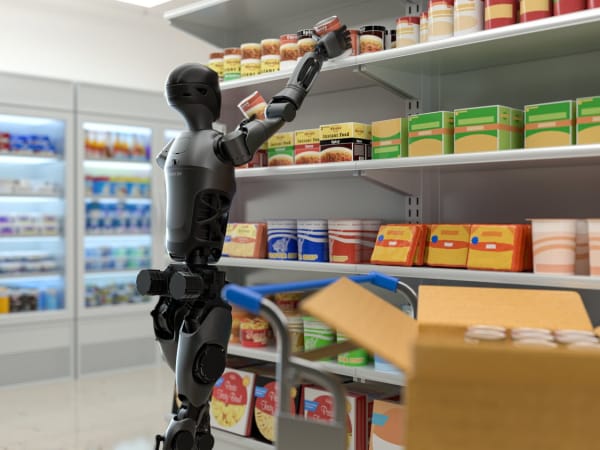
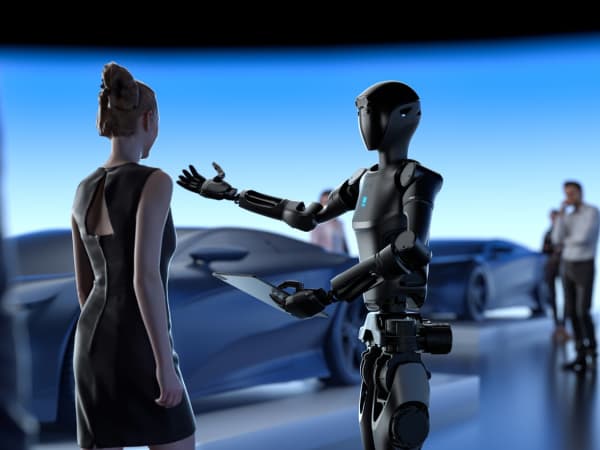
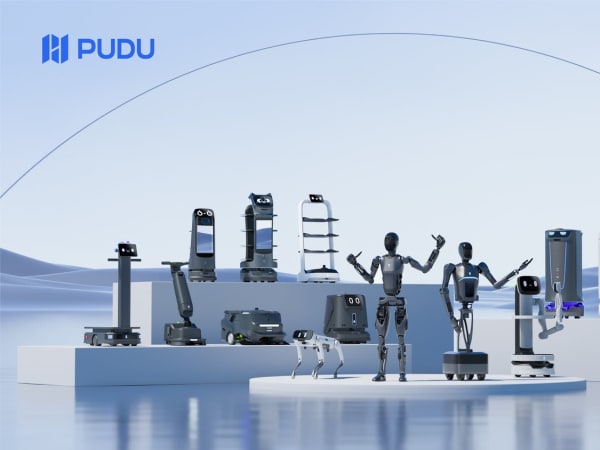
Below images are from Pudu Robotics's official sources
Review Videos
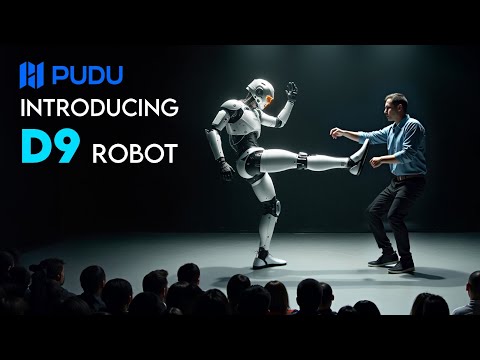
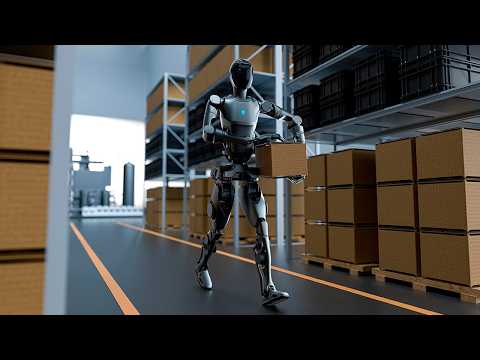
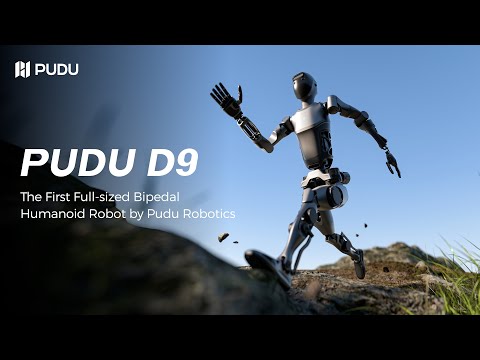
Watch expert reviews and demonstrations of this robot

Robot Specifications
ConfirmedValues marked Confirmed were checked against the manufacturer's official data; select the badge to open the source. Values without a Confirmed badge are compiled from public sources and may not be manufacturer-verified.
Not yet published by Pudu Robotics: warranty terms, safety certifications, EMC compliance, IP rating, noise level, expected lifespan, maintenance schedule, firmware version and 7 more.
Robot Timeline
Key milestones in this robot's development and rollout
Pudu Robotics releases the semi-humanoid PUDU D7 and the PUDU DH11 dexterous hand, the first two products that lead to the D9.
Source: The Robot Report ↗
Pudu unveils the D9, its first full-size bipedal humanoid: 170 cm, 65 kg, 42 degrees of freedom and a payload above 20 kg, with pre-sales planned online.
Source: Robotics Tomorrow ↗
Latest News About Pudu D9
Stay updated with the latest articles and developments
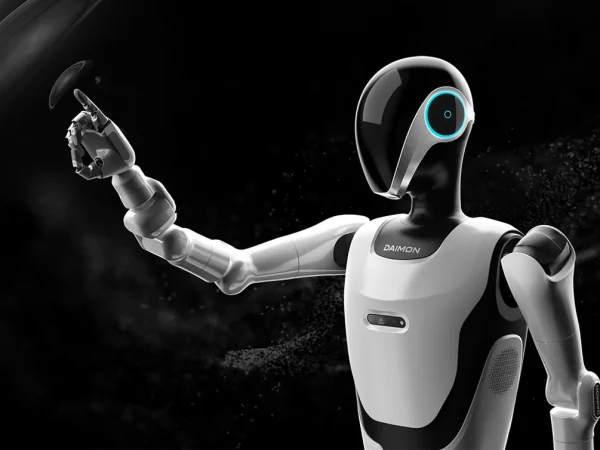
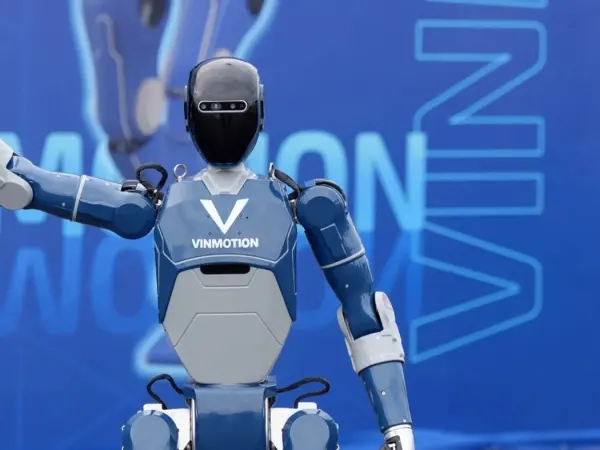
Pudu D9 vs Ultra Magnus, Daimon One, FF Futurist and Motion 1
Pudu D9 overlaps with these alternatives on Hospitality and Household help. Pudu D9 leads this group on max speed but trails on runtime and weight.
Industries and capabilities are tags, not scores: a tick means the robot is listed for it. Green marks the best figure in a row (highest max speed and runtime; lowest weight). Ranges are not ranked.
| Spec | Pudu D9Pudu Robotics | Ultra MagnusAPLUX | Daimon OneDaimon Robotics | FF FuturistFaraday Future | Motion 1VinMotion |
|---|---|---|---|---|---|
| Industries | |||||
| Hospitality | Yes | Yes | No | Yes | No |
| Household help | Yes | No | Yes | No | No |
| Logistics | Yes | No | Yes | No | Yes |
| Material handling | Yes | No | Yes | Yes | No |
| Capabilities | |||||
| Balance and stability | Yes | Yes | No | Yes | Yes |
| Bipedal locomotion | Yes | Yes | No | Yes | Yes |
| Human-environment interaction | Yes | No | No | Yes | No |
| Human-robot interaction | Yes | Yes | No | Yes | No |
| Max Speed | 2 m/s | 1.39 m/s | 0.42 m/s | 1 m/s | 2 m/s |
| Runtime | 4 h | 4 h | 4 h | 5–6 h | 6 h |
| Weight | 65 kg | 60 kg | 75 kg | 69 kg | 70 kg |
| Released | 2025 | 2025 | 2025 | 2026 | 2025 |
Notes such as conditions or alternate figures are left out and values are shown in common units; open each page for the full specs. Browse all Humanoid Robots
Compare This Robot With Others
See how Pudu D9 stacks up against other leading robotics models in detailed side-by-side technical comparisons.

More Robots from Pudu Robotics
Explore other robots from this manufacturer
More Humanoid Robots
Discover more robots in the same category

Robots From Other Categories
Discover complementary robots from different categories that work well together
Frequently Asked Questions
Get answers to common questions about this robot
Q1. What are D9's primary capabilities?
The PUDU D9 excels at bipedal locomotion, dexterous manipulation, autonomous navigation, and multimodal human-robot interaction. It performs repetitive and delicate operations in commercial settings, including object manipulation, stair climbing, slope navigation, and real-time environmental mapping with advanced AI-driven task adaptation.
Q2. How to operate D9?
The D9 operates through advanced AI models and reinforcement learning algorithms that enable natural human-robot interaction via multimodal sensory input including visual, tactile, force, and auditory feedback. Users can command the robot through voice, gesture, or direct control interfaces integrated with its semantic navigation system for autonomous task execution.
Q3. What is the maximum carrying capacity of D9?
The PUDU D9 has a maximum payload capacity of 20 kg (44 lbs) across its dual 7-degree-of-freedom arms combined. The PUDU DH11 dexterous hand can achieve a maximum lifting load of 40 kg, though this represents the hand's individual capability rather than the robot's overall payload capacity.
Q4. How long can D9 operate on a single charge?
Battery capacity and charging time specifications are not publicly disclosed. Based on typical commercial humanoid robots of similar size and computational power (275 TOPS), estimated operational time ranges from 4-8 hours depending on task intensity and environmental conditions, though official specifications should be confirmed with Pudu Robotics.
Q5. What safety features does D9 have?
The D9 incorporates advanced stability control and can recover from being kicked off balance, similar to Boston Dynamics robots. Its low-noise lightweight gait control minimizes disruption in human environments, and its comprehensive sensor suite enables real-time obstacle detection and autonomous route planning to prevent collisions.
Q6. How to maintain D9?
Specific maintenance protocols are not detailed in available documentation. Standard maintenance for humanoid robots typically includes regular inspection of joints and actuators, sensor calibration, battery health monitoring, and software updates. Contact Pudu Robotics directly for detailed maintenance schedules and authorized service procedures.
Q7. What surfaces can D9 navigate?
The D9 navigates flat surfaces, stairs, slopes, and complex urban terrains with its advanced lightweight gait control. Its bipedal design and 42 degrees of freedom enable adaptation to diverse environments, though specific surface friction coefficients and maximum slope angles are not specified in available documentation.
Q8. How does D9 handle obstacles?
The D9 uses a sophisticated visual semantic navigation system with high-precision sensors for real-time 3D mapping and autonomous route planning. This enables dynamic obstacle avoidance and adaptive path recalculation, allowing the robot to navigate around unexpected barriers while maintaining operational efficiency.
Q9. What is D9's maximum speed?
The PUDU D9 walks at a maximum speed of 2 meters per second (4.5 mph), which matches a human's brisk walk or slow jog. This speed is optimized for safe operation in human-populated commercial environments while maintaining stability and control.
Q10. What are common use cases for D9?
Primary applications include research and development in robotics and AI, industrial automation tasks, service and assistance in retail and hospitality, healthcare support, warehouse operations, cleaning services, and exploration of unstructured environments requiring human-like dexterity and mobility.
Rating and Reviews
Share your experience and help others decide!
Loading...
User Reviews
No user reviews. Be the first one to review!
User Comments (No Login needed)
Share your thoughts, experiences, or questions about this robot.
Comments appear after moderator review.