Robot Era L7
Last updated:
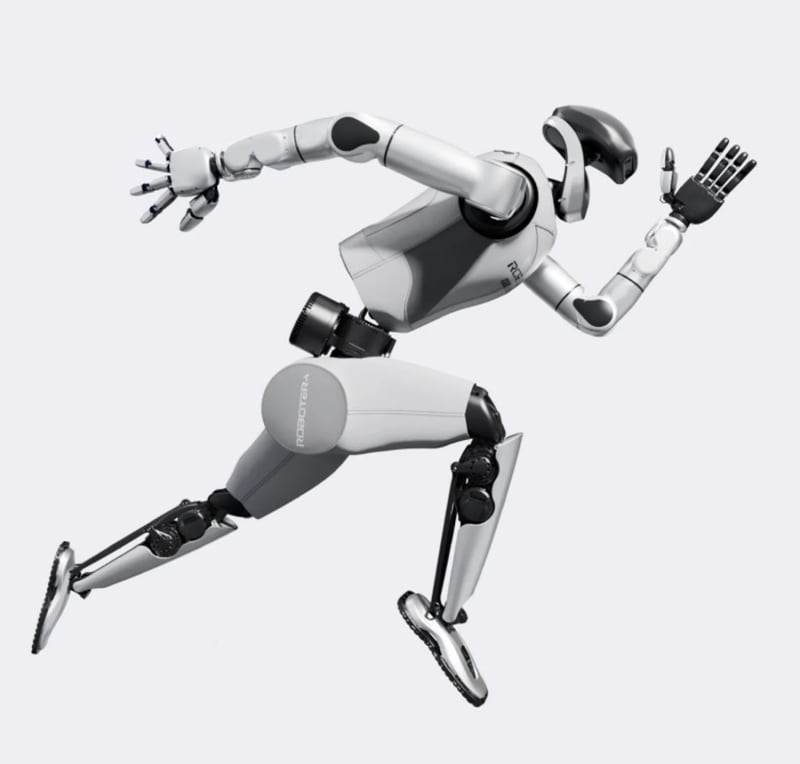
The Robot Era L7 is a cutting-edge bipedal humanoid robot standing 171 cm tall and weighing 65 kg. It features 55 degrees of freedom for whole-body dexterity, including a 12-DoF fully direct-driven dexterous hand. The L7 excels in both speed and manipulation, capable of running at 4 m/s (14.4 km/h) and carrying dual-arm payloads up to 20 kg. Equipped with binocular cameras, 3D LiDAR, and a microphone array, it offers 360° spatial perception and advanced environmental adaptation. Its applications range from industrial automation and logistics to entertainment and research, with capabilities such as hip-hop performance, bartending, sorting, assembly, and teleoperation. The robot integrates AI-powered control with a high-performance onboard computer for real-time responsiveness and complex task execution.
Quick Overview & Key Facts
Robot Era L7 is a humanoid robot made by Robot Era in China, launched in 2025 and built for high-speed bipedal running, carton transport, and industrial part sorting. Featured in “Top 5 Fastest Humanoid Robots in the World 2026 Edition”.
- Dimensions
- 171 x 50 x 40 (cm)
- Weight
- 65 kg
- Top speed
- 14.4 km/h (4 m/s) Maximum running Speed
- Payload capacity
- 20 kg dual-arm payload capacity (10 kg per arm)
- Battery runtime
- 6 hours
- Sensors
- Panoramic binocular RGB-D cameras (360° FOV), 3D LiDAR, 6-axis IMU, microphone array, and speakers for voice interaction
- Operating environment
- Indoor and outdoor use; adaptable to complex environments
What Can Robot Era L7 Do?
Core operational tasks and activities demonstrated or performed by Robot Era L7.
Real-World Applications of Robot Era L7
Industries, working environments, and deployment suitability for Robot Era L7.
Robot Era L7 Capabilities
Inherent physical, perceptual, and cognitive abilities built into Robot Era L7.
Download Media Cards
Story CardExport high-resolution story cards summarizing Robot Era L7's operational tasks, real-world applications, and capabilities.
Image Gallery
Below images are from Robot Era's official sources
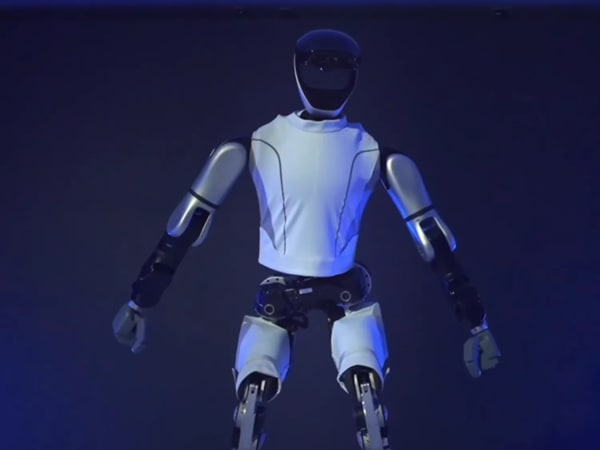
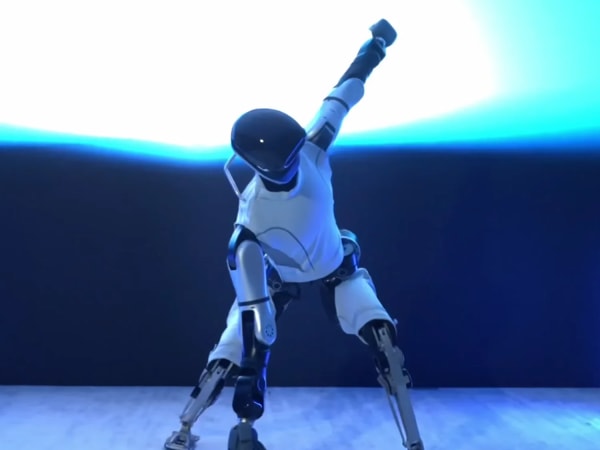
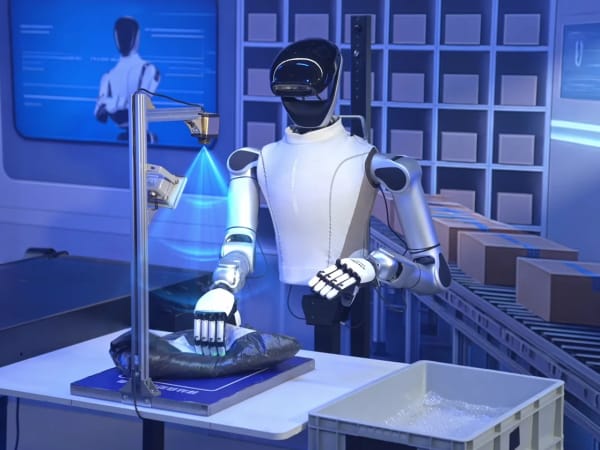
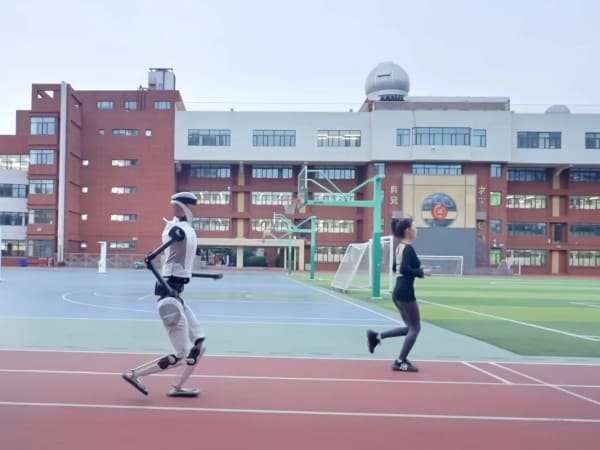
Review Videos
Watch expert reviews and demonstrations of this robot


Robot Specifications
Values without a Confirmed badge are compiled from public sources and may not be manufacturer-verified.
Not yet published by Robot Era: warranty terms, safety certifications, EMC compliance, IP rating, noise level, expected lifespan, maintenance schedule, firmware version and 7 more.
Robot Timeline
Key milestones in this robot's development and rollout
Robot Era shows the L7, a 175 cm humanoid with 55 degrees of freedom, claimed as the fastest bipedal humanoid at 14.4 km/h.
Source: Interesting Engineering ↗
Robot Era raises nearly RMB 1 billion (about $140 million) in a Series A+ round led by Geely Capital.
Source: The Robot Report ↗
Latest News About Robot Era L7
Stay updated with the latest articles and developments
Compare This Robot With Others
See how Robot Era L7 stacks up against other leading robotics models in detailed side-by-side technical comparisons.
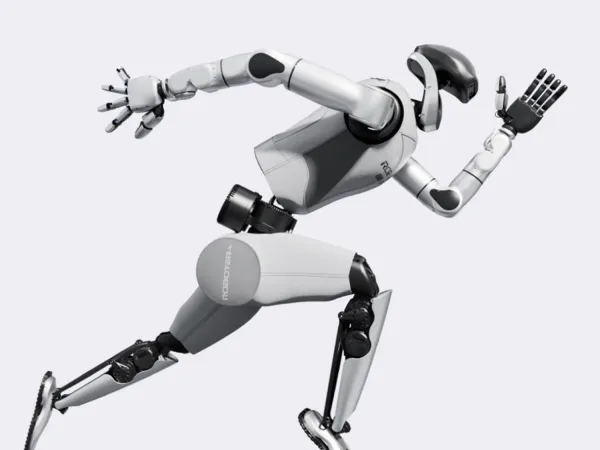
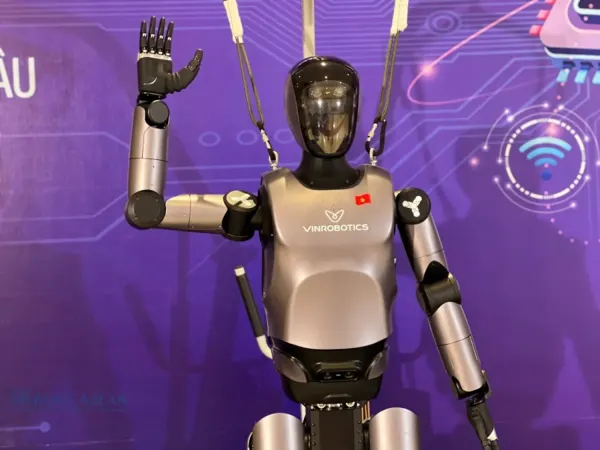
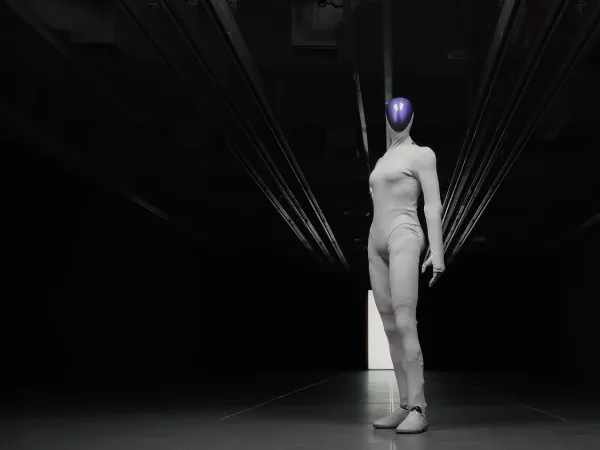

Robot Era L7 Also Mentioned in Below Articles
Find out how this model stacks up against the world's best robots
More Robots from Robot Era
Explore other robots from this manufacturer

More Humanoid Robots
Discover more robots in the same category

Robots From Other Categories
Discover complementary robots from different categories that work well together
Frequently Asked Questions
Get answers to common questions about this robot
Q1. What is L7, and what problem is it designed to solve?
L7 is a full-size bipedal humanoid robot developed by Robot Era, a Tsinghua University-backed startup. According to the manufacturer, it addresses challenges in combining high-speed locomotion with dexterous manipulation for industrial and service tasks.
Q2. What are the main capabilities and key features of L7?
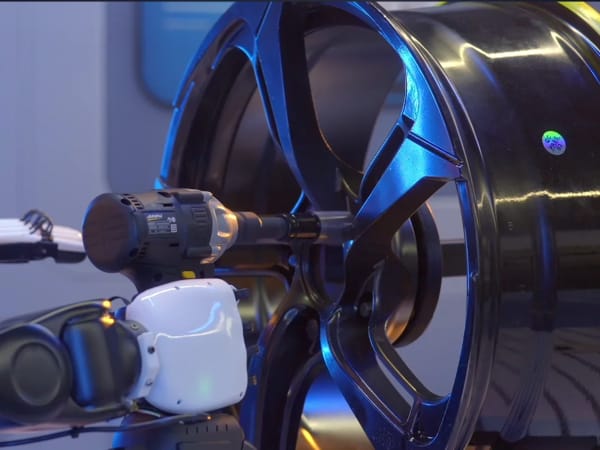
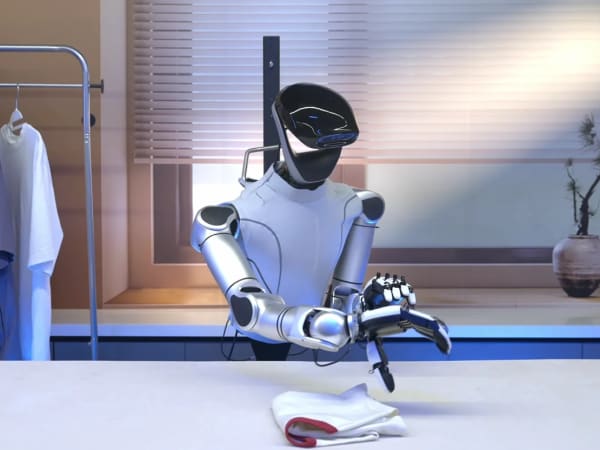
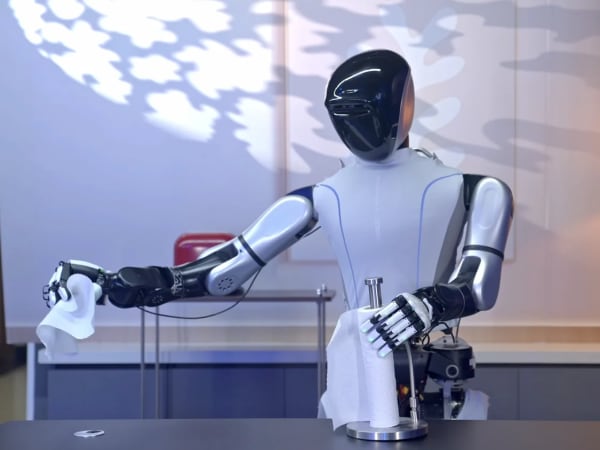
L7 demonstrates running, 360-degree spins, breakdancing, object sorting, tool use, and handling delicate materials. It integrates multisensor fusion for 360-degree spatial perception and full-body AI control, building on its predecessor STAR1.
Q3. Who is L7 built for, and which industries can benefit from it?
L7 targets factory automation, logistics, manufacturing, research labs, and service sectors. The manufacturer positions it for environments requiring agile movement and manipulation, such as industrial workflows and interactive settings.
Q4. Is L7 a commercial product or still a research prototype?
As of 2025, L7 is listed as a prototype by technical guides, with demonstrations of advanced capabilities. Robot Era offers SDK access and control options, indicating progression toward commercial deployment.
Q5. Is L7 currently available for purchase, and when is it expected to ship?
L7 appears on distributor platforms with pricing around $120,000, suggesting pre-order availability. Shipping timelines depend on manufacturer fulfillment and distributor schedules following announcements.
Q6. How does L7 actually work in real-world environments?
L7 employs panoramic vision, depth sensors, and positional feedback for real-time 3D mapping and balance. Its quasi-direct drive joints and AI platform enable synchronized responses to dynamic tasks like sorting and tool operation in varied settings.
Q7. When was L7 announced or officially launched?
Robot Era unveiled L7 in 2024, showcasing it through video demonstrations of athletic and manipulative tasks. It represents an evolution from the earlier STAR1 model.
Q8. How is L7 different from other robots in the same category?
Compared to its predecessor STAR1, L7 offers improved speed and upper-limb dexterity while maintaining core AI and mechanical foundations. It emphasizes full-body coordination for both dynamic motion and precise handling in its class.
Q9. Does L7 require additional development or customization after purchase?
Robot Era provides SDK, Wi-Fi, app, gesture, and voice controls, supporting integration. Users in research or industrial applications may adapt it via the onboard ERA-42 AI model for specific scenarios.
Q10. What is the future roadmap or planned upgrades for L7?
The company has announced plans to advance from demonstrations toward broader deployments in automation and service. Related models like M7 indicate modular upgrades for specialized uses.
Rating and Reviews
Share your experience and help others decide!
Loading...
User Reviews
No user reviews. Be the first one to review!
User Comments (No Login needed)
Share your thoughts, experiences, or questions about this robot.
Comments appear after moderator review.