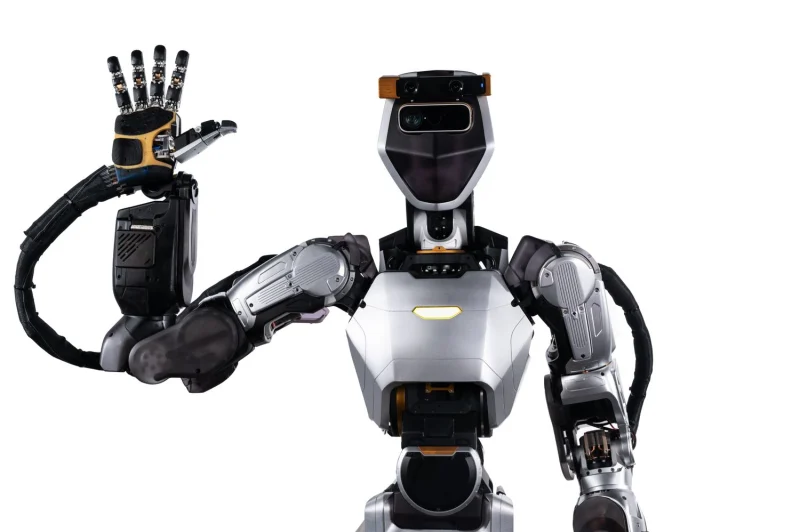
Phoenix
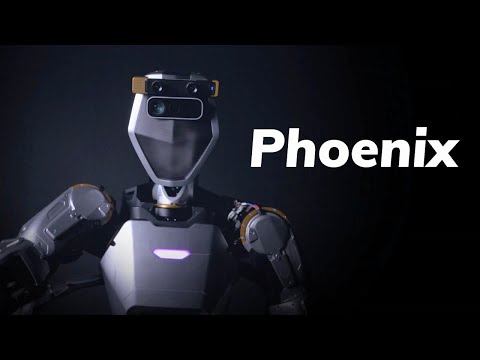
Phoenix is Sanctuary AI’s groundbreaking humanoid robot designed to revolutionize human-robot collaboration. With human-like dexterity, advanced perception, and robust AI, Phoenix can operate in complex environments including manufacturing floors, healthcare facilities, and service industries. It can perform delicate tasks, heavy lifting, and interact naturally with humans. Its design aims to reduce human workload in hazardous or repetitive tasks while ensuring safety and precision. Phoenix’s learning capabilities allow it to adapt to new environments, making it a versatile asset for future-forward workplaces.
Quick Overview & Key Facts
Phoenix is a humanoid system developed by Sanctuary AI in Canada and launched in 2023. Starting price is estimated at $100,000 - $200,000 (Estimated). It is currently ranked #105 in most-viewed humanoid robots on Origin of Bots. It supports Tools, goods, industrial parts. Operating battery runtime is rated at 4 hours on full charge. Primary applications include Industrial automation, data capture, customer service, healthcare assistance, logistics handling, research and development. Featured in editorial articles including “Top 10 Humanoid Robots with the Highest Payload & Heavy-Lifting Capacity in 2026”, “Top 5 Humanoid Robots Being Developed for Defense, Security & First Responders in 2026”.
What Can Phoenix Do?
Core operational tasks and activities demonstrated or performed by Phoenix.
Real-World Applications of Phoenix
Industries, working environments, and deployment suitability for Phoenix.
Phoenix Capabilities
Inherent physical, perceptual, and cognitive abilities built into Phoenix.
Download Media Cards
Story CardExport high-resolution story cards summarizing Phoenix's operational tasks, real-world applications, and capabilities.
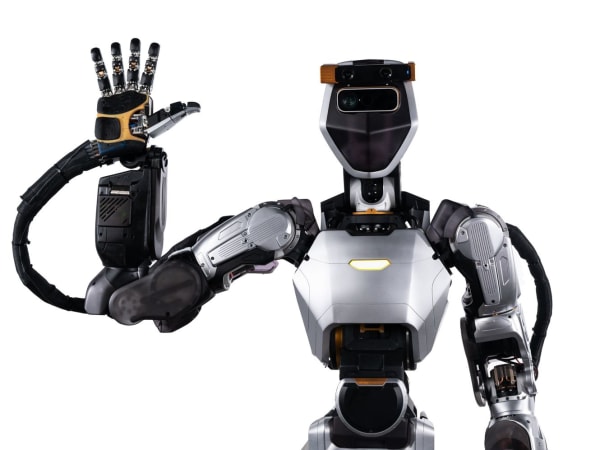
Image Gallery
Below images are from Sanctuary AI's official sources


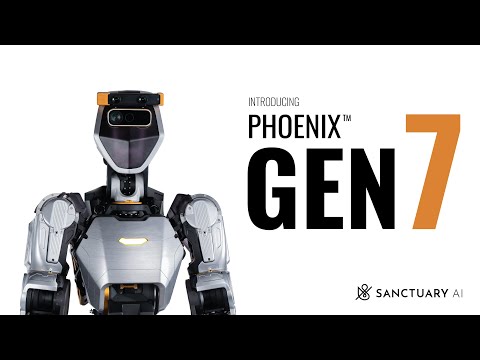
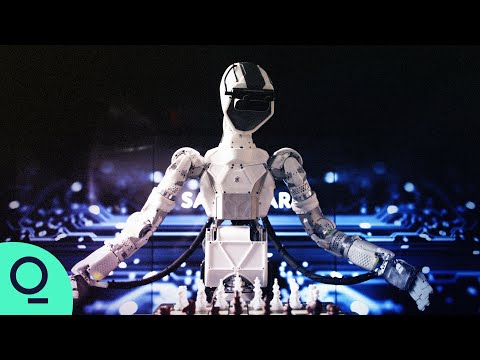
Review Videos
Watch expert reviews and demonstrations of this robot
Robot Specifications
Latest News About Phoenix
Stay updated with the latest articles and developments
Compare This Robot With Others
See how Phoenix stacks up against other leading robotics models in detailed side-by-side technical comparisons.
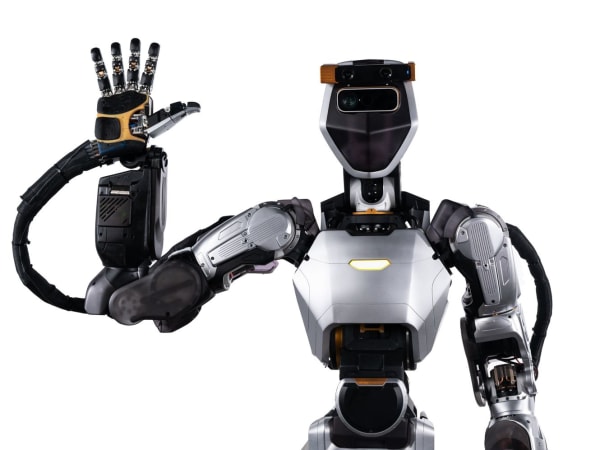
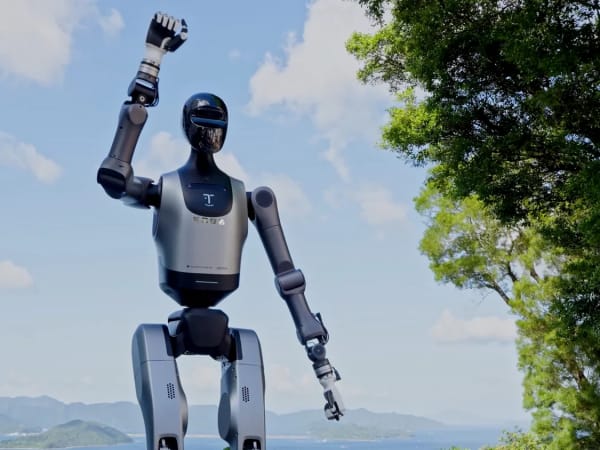

Phoenix Also Mentioned in Below Articles
Find out how this model stacks up against the world's best robots
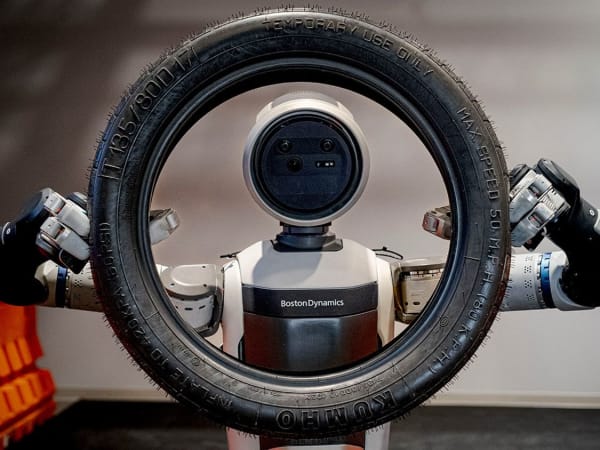
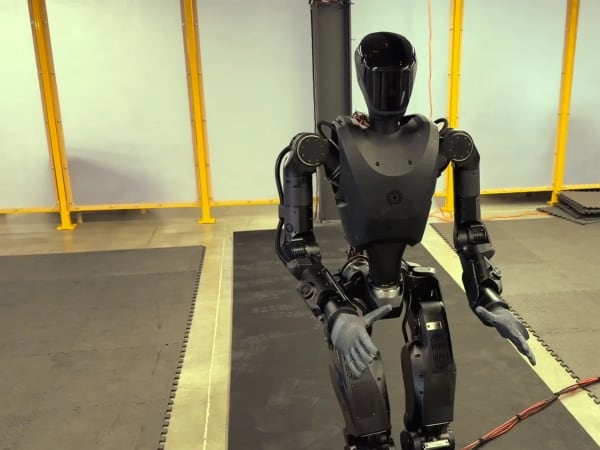
More Humanoid Robots
Discover more robots in the same category

Robots From Other Categories
Discover complementary robots from different categories that work well together


Frequently Asked Questions
Get answers to common questions about this robot
Q1. What is the height and weight of the Phoenix robot?
The Phoenix robot stands approximately 180 cm tall and weighs around 75 kg, designed for human-like mobility and strength.
Q2. How many degrees of freedom does the Phoenix have?
Phoenix features 30 degrees of freedom, allowing it to perform complex and fluid movements.
Q3. What is the battery life of the Phoenix on a single charge?
Phoenix can operate for up to 4 hours on a full charge, depending on usage intensity.
Q4. What is the maximum walking speed of the Phoenix robot?
Phoenix can walk at speeds up to 4 km/h, enabling efficient movement in various environments.
Q5. What types of sensors are integrated into Phoenix?
Phoenix is equipped with LiDAR, stereo cameras, tactile sensors, and IMU for accurate perception and navigation.
Q6. Does Phoenix support autonomous navigation?
Yes, Phoenix can autonomously navigate indoor environments using advanced mapping and obstacle avoidance algorithms.
Q7. What kind of actuators does Phoenix use?
Phoenix uses high-torque electric actuators to mimic human-like joint movement with precision.
Q8. Can Phoenix interact with humans using speech?
Yes, Phoenix supports natural language processing and can engage in voice-based interactions.
Q9. What programming interfaces are supported by Phoenix?
Phoenix supports ROS and proprietary SDKs for flexible programming and integration.
Q10. What are the primary applications of Phoenix?
Phoenix is designed for research, service robotics, healthcare assistance, and industrial automation.
Q11. How does Phoenix handle object manipulation?
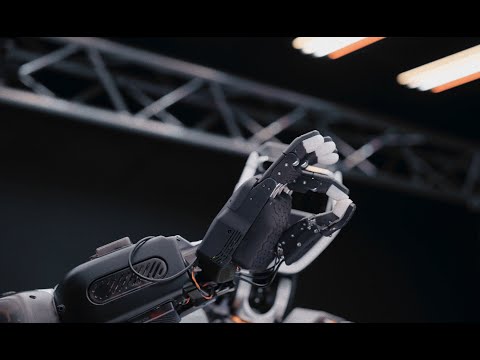
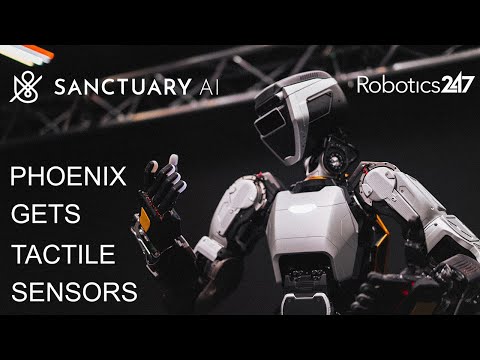
Phoenix has dexterous hands with tactile sensors enabling it to grasp, hold, and manipulate various objects with precision.
Q12. Is Phoenix capable of learning new tasks?
Yes, Phoenix supports machine learning algorithms for adapting and improving task performance over time.
Q13. What safety features does Phoenix include?
Phoenix has multiple safety sensors and emergency stop features to ensure safe operation around humans.
Q14. Does Phoenix support remote control operation?
Yes, Phoenix can be remotely controlled for teleoperation and supervisory control.
Q15. Is Phoenix designed for modular upgrades?
Yes, Phoenix has a modular design allowing for easy hardware and software upgrades.
Rating and Reviews
Share your experience and help others decide!
Loading...
User Reviews
No user reviews. Be the first one to review!
User Comments (No Login needed)
Share your thoughts, experiences, or questions about this robot.
Comments are reviewed before posting.