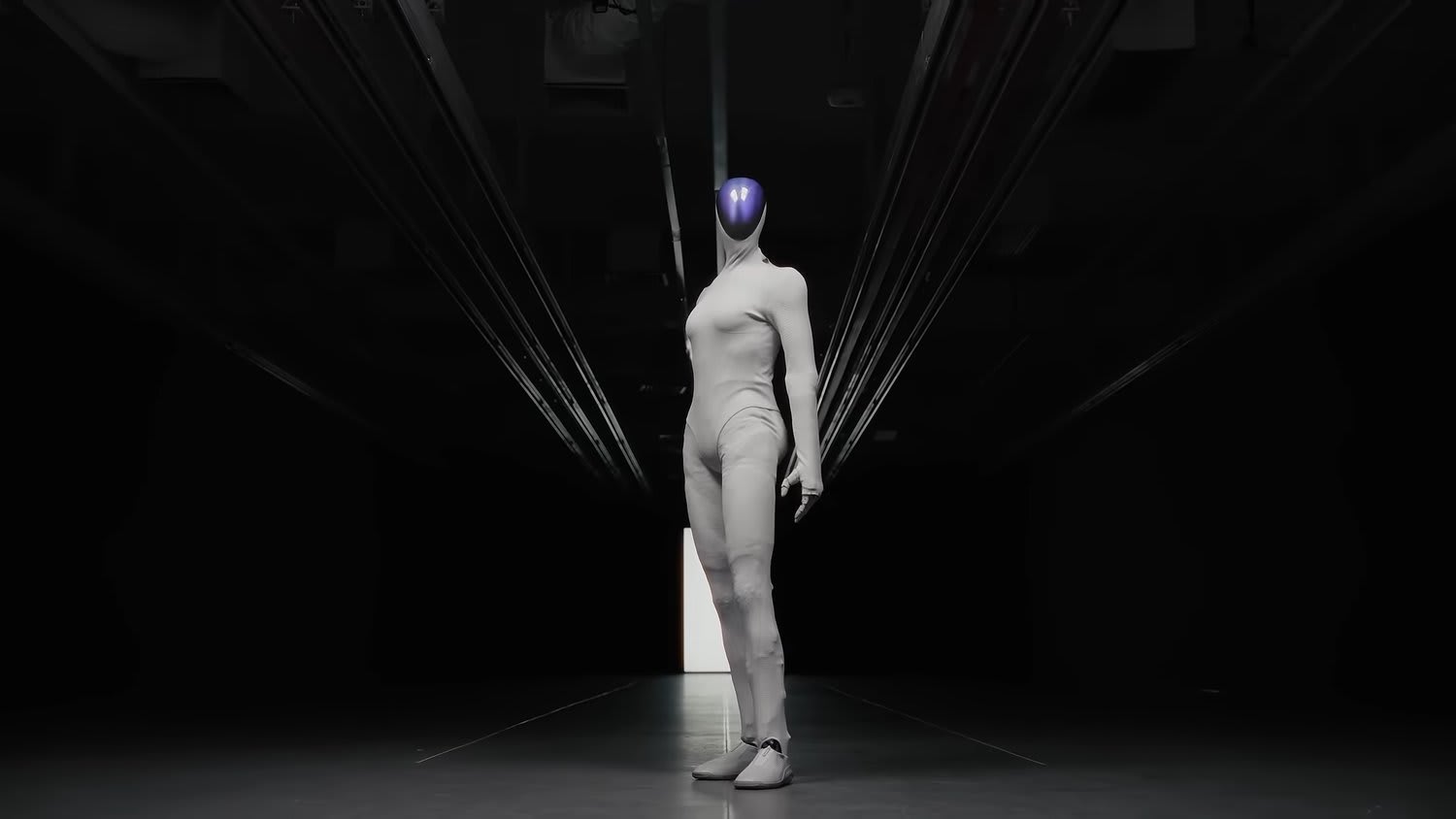
Next‑Gen IRON
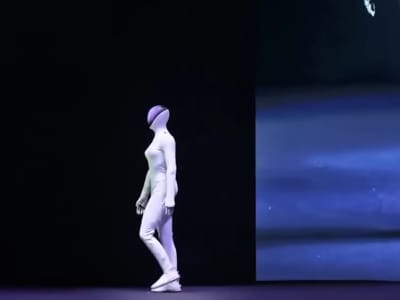
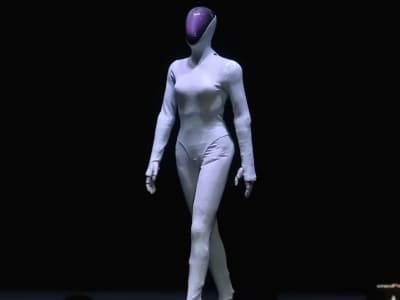
Next‑Gen IRON is XPENG’s second-generation full-size humanoid robot, designed to operate in human-centered environments with lifelike motion and high dexterity. It features a human-like spine, bionic muscles, flexible synthetic skin, and a 3D curved head display, giving it a more natural appearance and expressive interaction than earlier industrial robots. The robot is powered by XPENG’s in-house AI stack, including multiple Turing AI chips and a vision-language-action model, enabling conversation, walking, and task-oriented behavior. Its dexterous hand design and advanced perception make it suitable for reception, guidance, inspection, and service scenarios.
Quick Overview & Key Facts
Next‑Gen IRON is a humanoid system developed by XPENG in China and launched in 2025. Starting price is estimated at US$120,000–US$150,000 (Inferred · Medium confidence · Based on reported market estimates for early commercial humanoids and XPENG’s mass-production target). It is currently ranked #20 in most-viewed robots on Origin of Bots. It supports Tools, packages, precision instruments, human interaction. Operating battery runtime is rated at 4 hours on full charge (Inferred · Medium confidence · Typical range for battery-powered humanoid robots in active service use). Primary applications include Reception, guidance, retail assistance, industrial inspection, service tasks, and developer ecosystem testing. Featured in editorial articles including “Top 10 Humanoid Robots Competing with Tesla Optimus (2026)”, “10 Humanoid Robots with the Best Hand Dexterity (2026)”.
What Can Next‑Gen IRON Do?
Core operational tasks and activities demonstrated or performed by Next‑Gen IRON.
Real-World Applications of Next‑Gen IRON
Industries, working environments, and deployment suitability for Next‑Gen IRON.
Next‑Gen IRON Capabilities
Inherent physical, perceptual, and cognitive abilities built into Next‑Gen IRON.
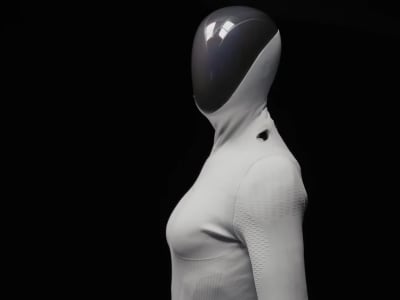
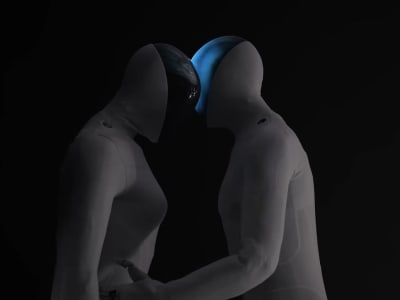
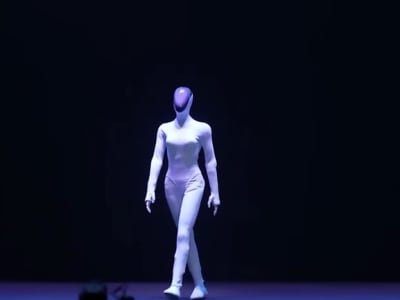
Image Gallery
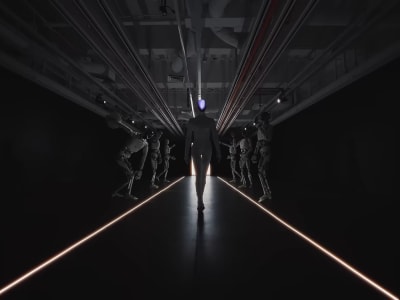
Below images are from XPENG's official sources


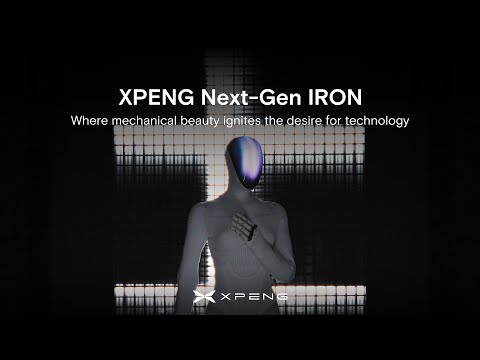
Review Videos
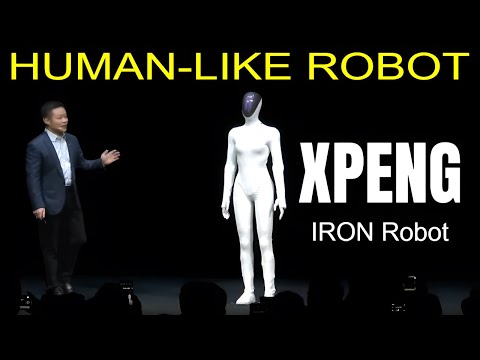
Watch expert reviews and demonstrations of this robot

Robot Specifications
Free AI API
For Everyone, Forever
Empowering developers, robotics researchers, and AI builders worldwide. Access powerful AI models through an OpenAI-compatible universal API with no subscription fees, no paid plan required, and free access forever.

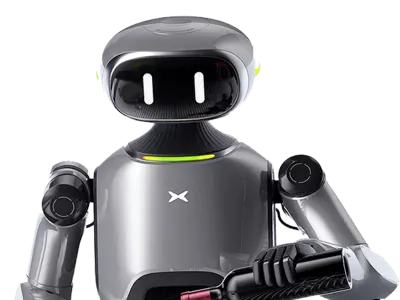
More Robots from XPENG
Explore other robots from this manufacturer
Latest News About Next‑Gen IRON
Stay updated with the latest articles and developments
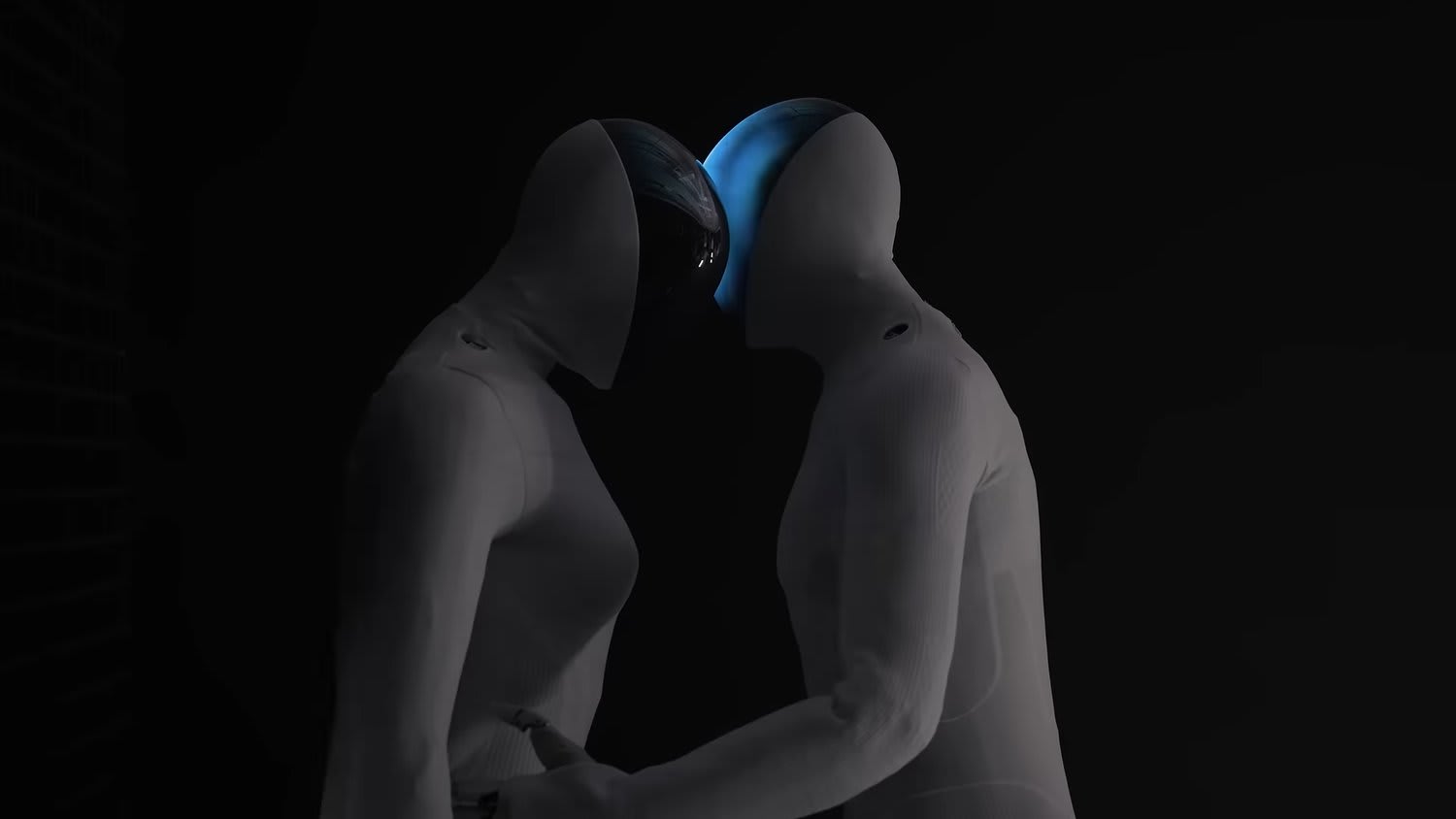
XPeng Rolls Out First Auto-Grade IRON Prototype
XPeng has produced its first humanoid robot prototype engineered to automotive-grade standards, marking a pivotal step toward mass production in 2026. Unveiled as the Next-Gen IRON at recent tech events, this machine integrates vehicle-derived precision manufacturing and rigorous testing protocols typically reserved for electric cars. CEO He Xiaopeng highlighted its lifelike catwalk demo, where fluid strides and human-like posture fooled onlookers until unzipped on stage. Deployed internally for factory tasks, it accelerates XPeng's pivot from EVs to embodied AI, promising seamless human-robot collaboration in commercial settings.
Compare This Robot With Others
See how Next‑Gen IRON stacks up against other leading robotics models in detailed side-by-side technical comparisons.

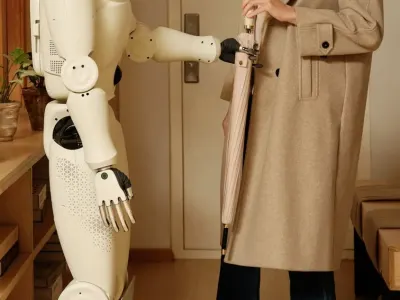
Next-Gen IRON by XPENG vs Jupiter by Zeroth
Which humanoid robot is better? Next-Gen IRON vs Jupiter compared for dexterity, AI autonomy, payload, and industrial use cases.
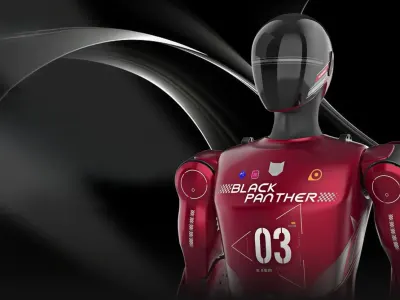
Next-Gen IRON (XPENG) vs Bolt (MirrorMe)
Compare Next-Gen IRON vs Bolt for humanoid mobility, dexterity, autonomy, and payload capacity in industrial and dynamic use cases.

Next-Gen IRON by XPENG vs Moya by DroidUp
In-depth comparison of Next-Gen IRON by XPENG and Moya by DroidUp, covering hardware capabilities, teleoperation, and enterprise readiness.
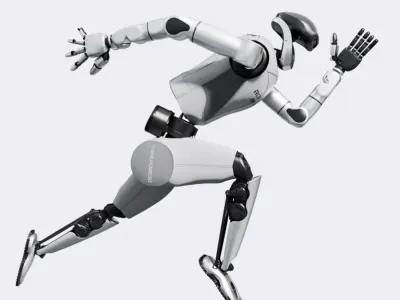
L7 by Robot Era vs Next-Gen IRON by XPENG
Head-to-head: L7 vs Next-Gen IRON. Explore differences in speed, sensors, navigation, and AI capabilities.
Next‑Gen IRON Also Mentioned in Below Articles
Find out how this model stacks up against the world's best robots
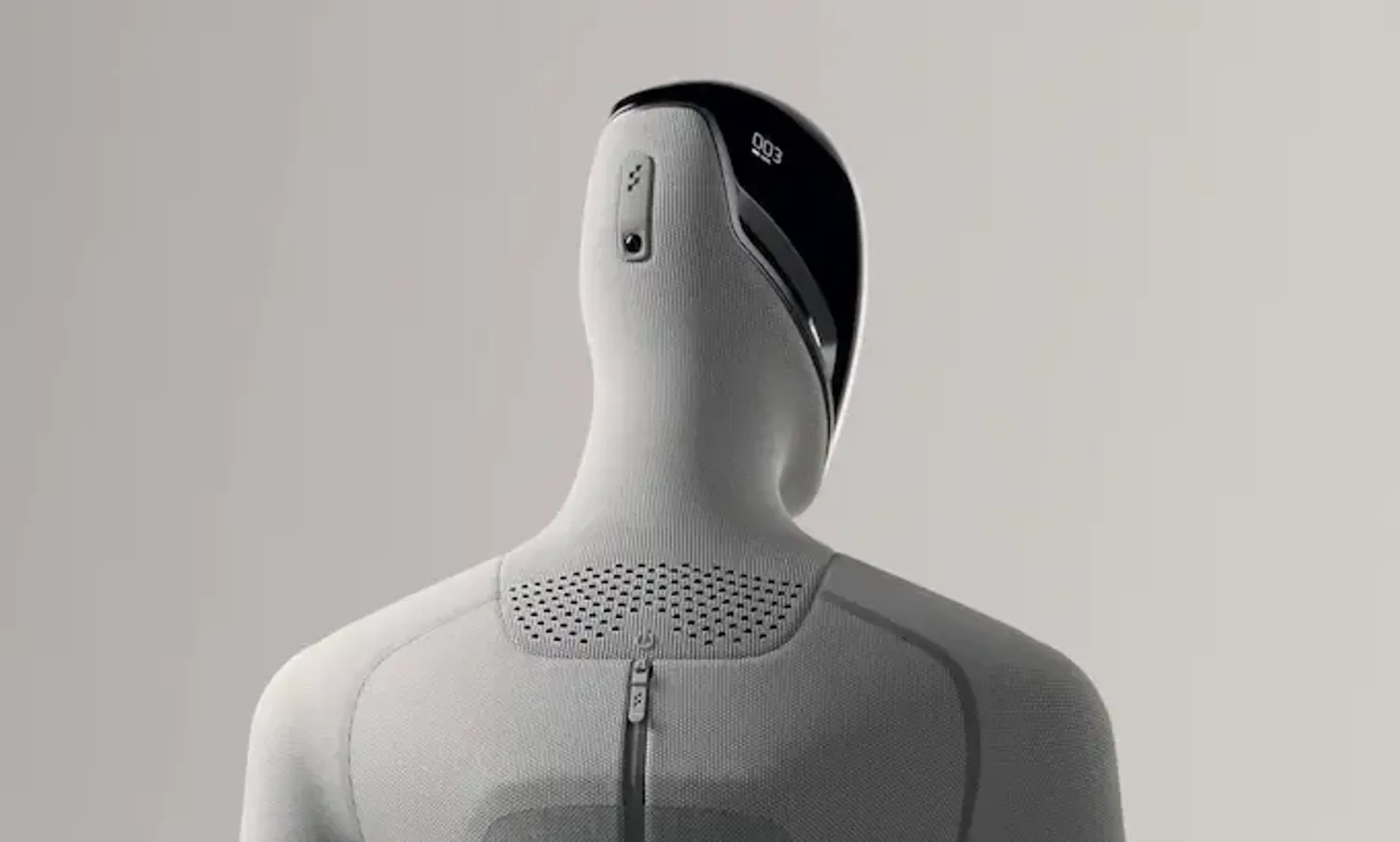
Top 10 Humanoid Robots Competing with Tesla Optimus (2026)
10 Humanoid Robots with the Best Hand Dexterity (2026)
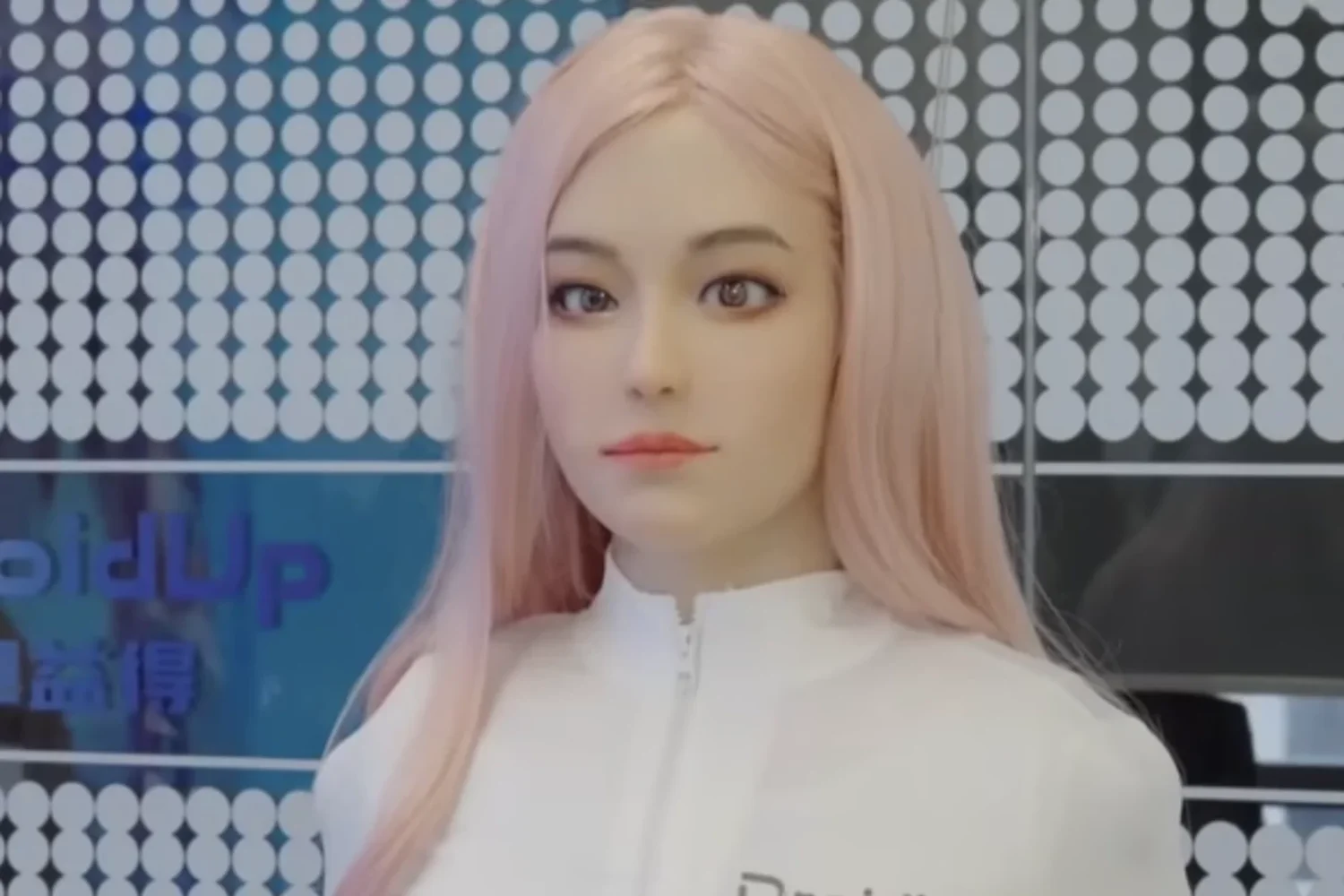
6 Most Human-Like Humanoid Robots in 2026
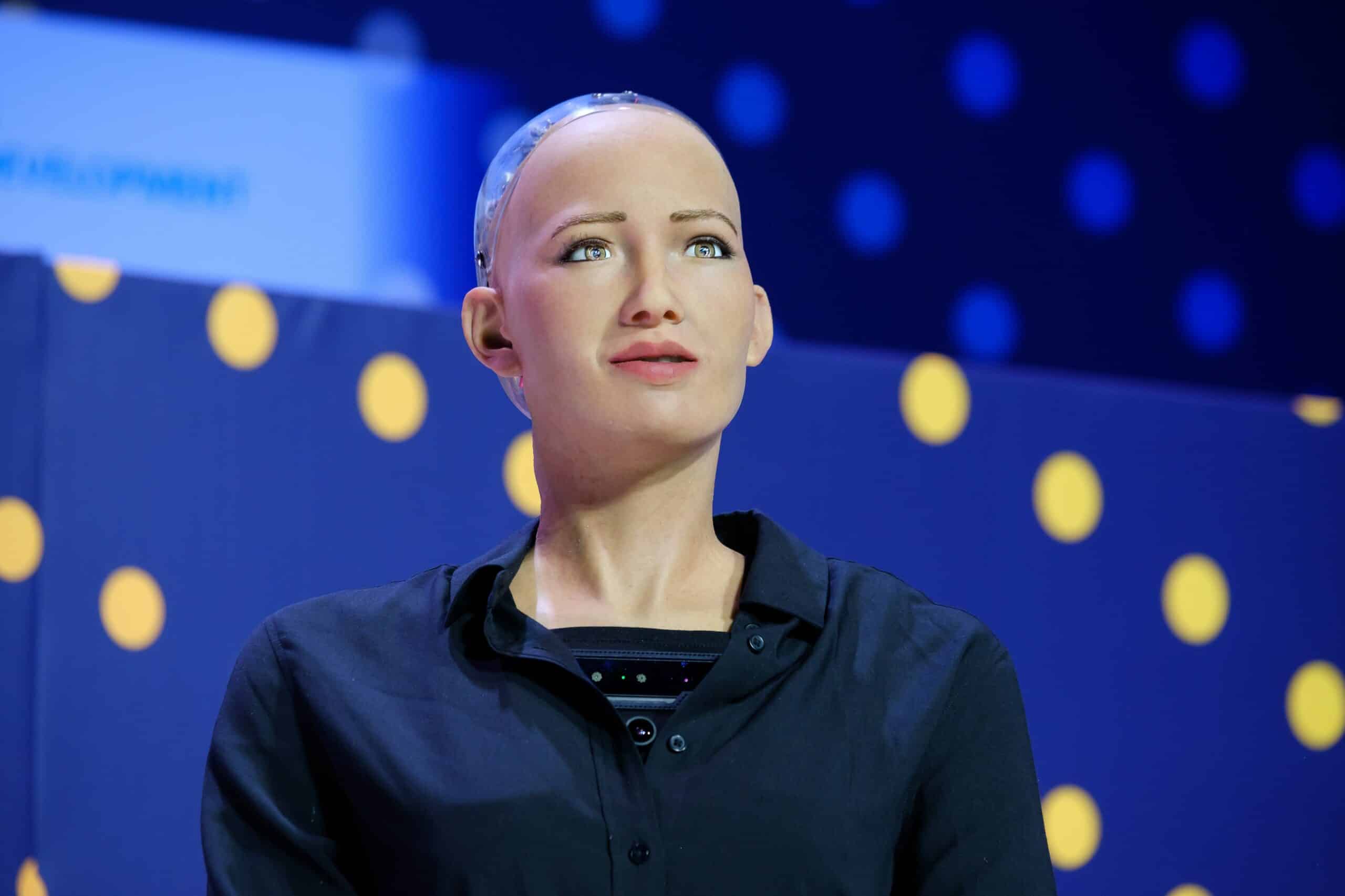
These Female Robots Look Almost Human – Top 6 in 2026
More Humanoid Robots
Discover more robots in the same category
Robots From Other Categories
Discover complementary robots from different categories that work well together
Frequently Asked Questions
Get answers to common questions about this robot
Q1. What are Next‑Gen IRON's primary capabilities?
Next-Gen IRON features 82 degrees of freedom, dexterous 22-DoF hands, human-like spine, customizable physique, and advanced AI for high-level dialogue, object manipulation, and navigation in human environments.
Q2. How to operate Next‑Gen IRON?
Operation is via voice commands, touchscreen interface, or remote control app. The robot uses its onboard AI to interpret tasks and execute actions autonomously or under supervision.
Q3. What is the maximum carrying capacity of Next‑Gen IRON?
Next-Gen IRON can carry up to 15 kg, optimized for light industrial, service, and household tasks requiring object handling and mobility.
Q4. How long can Next‑Gen IRON operate on a single charge?
With its solid-state battery, Next-Gen IRON operates for approximately 8–10 hours under typical usage, with reduced runtime for intensive tasks.
Q5. What safety features does Next‑Gen IRON have?
It includes collision avoidance, emergency stop, touch sensors, fail-safe shutdown, and redundant AI systems. The solid-state battery enhances fire and impact safety.
Q6. How to maintain Next‑Gen IRON?
Regular cleaning, battery checks, firmware updates, and periodic inspection of joints and sensors are recommended. Professional servicing is advised every 6 months.
Q7. What surfaces can Next‑Gen IRON navigate?
Next-Gen IRON can walk on flat floors, carpets, tiles, and slight inclines. It is not designed for stairs or rough outdoor terrain.
Q8. How does Next‑Gen IRON handle obstacles?
Using 3D vision, LiDAR, and AI, it detects and avoids obstacles in real time, rerouting or stopping as needed for safe navigation.
Q9. What is Next‑Gen IRON's maximum speed?
Next-Gen IRON walks at a maximum speed of 1.2 m/s, suitable for indoor environments and human-paced interaction.
Q10. What are common use cases for Next‑Gen IRON?
Typical uses include guidance, sales assistance, inspection, light assembly, and household support, with customization for commercial and personal roles.
User Comments (No Login needed)
Share your thoughts, experiences, or questions about this robot.
Comments are reviewed before posting.